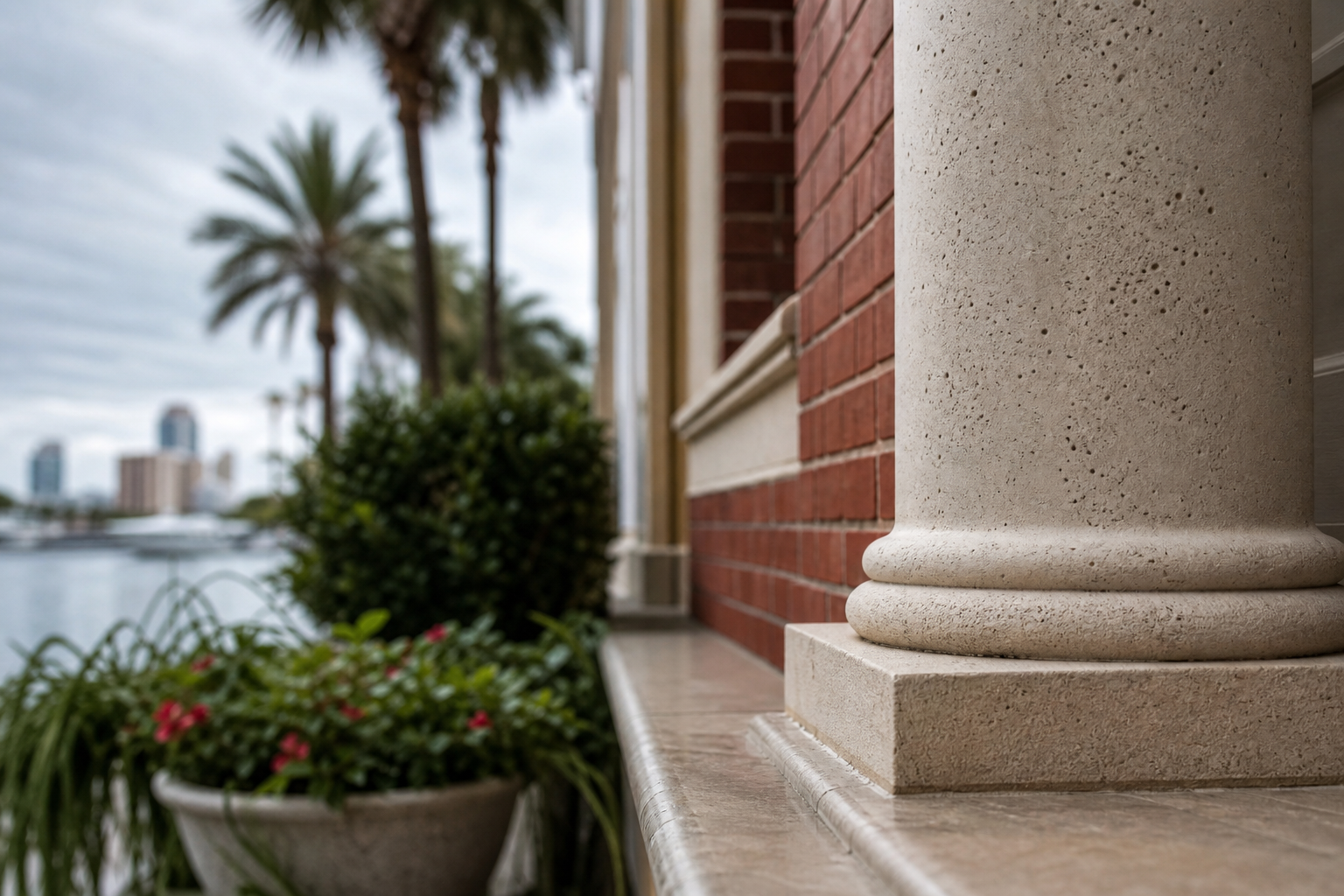
Water Street Tampa is reshaping downtown Tampa's real estate market by creating a walkable, amenity-rich urban district that commands premium prices above the city's median. For buyers and sellers in 2026, it represents both a genuine opportunity and a market that requires careful due diligence on condo-specific costs and shifting supply.
What does Water Street Tampa mean for real estate buyers and sellers in 2026?
Water Street Tampa is a large-scale mixed-use development that has created a distinct luxury sub-market in downtown Tampa, with price points well above the city-wide median. For buyers, it offers new urban inventory in a market that has cooled from its 2022 peak, giving you more negotiating room than existed two years ago. For sellers in nearby neighborhoods, the rising profile of the district is adding upward pressure on comparable urban properties.
Key Takeaways
- Tampa home prices were up 5.5% year-over-year through July 2026, with a city-level median sale price of approximately $475,000, according to Redfin.
- Harbour Island, one of the closest comparable neighborhoods to Water Street, is showing a median sale price of $625,000 and a median of 49 days on market based on recent local market data.
- About 48% of Tampa Bay luxury transactions in 2026 are all-cash, meaning competition for premium downtown product is less sensitive to mortgage rate swings than the broader market.
- Condos and townhomes across Tampa Bay have seen somewhat sharper price corrections than single-family homes since late 2025, making this a more favorable entry point for buyers than the peak years.
- Residential permits in the City of Tampa surged roughly 50% year-over-year in 2025, signaling strong developer confidence in urban infill and creating a more competitive supply environment for downtown luxury buyers to watch.
How is Water Street Tampa changing the downtown real estate landscape?
Water Street Tampa is one of the most ambitious urban development projects in Florida's history. The district stretches along the waterfront south of downtown and has introduced a critical mass of residential towers, hotel and hospitality space, ground-floor retail, and walkable public realm that simply did not exist here a decade ago.
What makes it a genuine market-mover is scale and intention. This isn't one tower dropped into an underutilized block. It's a planned urban neighborhood built around the idea that people want to live, work, eat, and move around on foot without getting in a car. That kind of environment attracts a specific buyer, and it commands a price premium to match.
I work with buyers across the Tampa Bay area, and the questions I get about Water Street have shifted over the past couple of years. Early on, people wanted to know whether it was real. Now they want to know whether the timing is right to buy, and what the risks look like compared to other parts of the market.
Where Water Street fits in Tampa's broader condo market
The city-level numbers are useful context. According to Redfin's Tampa housing market data, home prices in Tampa were up 5.5% year-over-year through the three months ending July 2026, with a median sale price of approximately $475,000. That's city-wide. Water Street product sits well above that figure.
Meanwhile, Zillow's Tampa market dashboard as of late June 2026 shows that 18.4% of sales are still closing over list price and the median days to pending sits at 29 days. That tells me the market is moderately competitive, not frenzied. Sellers are still achieving near-list outcomes, but buyers have more room to negotiate than they did in 2022.
On the condo side specifically, regional market analysis from iBuyer notes that condos and townhomes across Tampa Bay have seen somewhat sharper price corrections than single-family homes since late 2025. Single-family prices in the metro fell about 3.1% through November 2025. That correction creates an interesting dynamic for Water Street: buyers can enter a new, high-amenity product without the bidding-war conditions of a few years ago, while flagship projects in well-established districts may hold value better than generic condo inventory in less desirable locations.
How nearby neighborhoods compare right now
When buyers are evaluating Water Street, they're almost always comparing it to Channelside, Harbour Island, and sometimes South Tampa's Bayshore corridor. Here's where those markets stood based on recent local market data, trailing roughly 90 days as of September 2026.
| Area | Median Sale Price | Median Days on Market |
|---|---|---|
| South Tampa | $602,500 | 62 |
| Harbour Island | $625,000 | 49 |
| Ybor City | $230,000 | 54 |
| Seminole Heights | $403,950 | 46 |
| Westchase | $527,000 | 55 |
| New Tampa | $430,000 | 49 |
Harbour Island is the most direct comp for the Water Street buyer. At a $625,000 median and 49 days on market, it's moving faster than South Tampa overall and at a higher price point. That's the competitive set Water Street luxury product is playing in. For a deeper look at how Harbour Island stacks up for luxury buyers, I covered it in detail in my Harbour Island luxury waterfront buyer's guide.
For a broader picture of what the urban living experience looks like across the district, my Water Street Tampa urban living guide for 2026 walks through the lifestyle side in more detail.
What buyers and sellers near Water Street should be thinking about in 2026
For buyers: the opportunity and the due-diligence list
The case for buying in or near Water Street right now is straightforward: you're entering a market that has cooled from its peak, with more inventory and less competition than 2021-2022. NOW Tampa Bay's 2026 market overview puts the Greater Tampa Bay MSA median around $415,000 and describes conditions as shifting toward a more balanced market. That balance benefits buyers.
The more important conversation is about what comes with a luxury condo purchase in a large mixed-use district. A few things I walk every buyer through before we go further:
- HOA fees and reserve funding. High-amenity buildings carry higher monthly costs. Florida's condo reserve requirements have tightened in recent years, and you need to understand what the building's reserve study says before you make an offer. Your closing agent will pull the condo documents, but you should be asking about this before you fall in love with a unit.
- Insurance costs. 2026 Tampa Bay market analysis from Propcash consistently flags elevated homeowner's insurance costs as a material factor for buyers of waterfront and coastal urban properties. Get a quote before you're under contract, not after.
- Cash competition. That same Propcash data shows cash buyers representing around 48% of Tampa Bay transactions in some 2026 data cuts. If you're financing, you need to be pre-approved and ready to move quickly, because you may be competing with buyers who have no financing contingency.
- Supply pipeline. Permit data from Shovels shows Tampa residential permits surged roughly 50% year-over-year in 2025. More supply coming online means more competition among sellers of luxury condos. That's actually good news for buyers, but it's worth tracking if you're buying as an investment.
Your specific situation, the unit, the floor, the building's financials, and the timing all affect what you should offer. That's where a market analysis specific to this sub-market makes the difference.
For sellers: how Water Street's rise affects your pricing conversation
If you own a condo or townhome in Channelside, Harbour Island, or the broader downtown Tampa corridor, Water Street is both a competitor and a rising tide. It raises the profile of urban Tampa living, which draws more buyers to the area. But it also adds new, amenity-rich inventory that your listing will be measured against.
According to Realtor.com's August 2026 Tampa market summary, homes are selling at about 98% of list price on average, with sellers accepting about 1.84% below asking. That's a healthy outcome, but it means pricing your property accurately from the start matters more than it did when everything was selling over list. The buyers shopping in this price range are sophisticated, often paying cash, and comparing your unit directly against new construction options.
Getting an accurate, data-driven picture of where your property sits relative to Water Street comps and the broader downtown inventory is the conversation we need to have before you set a price. Generic online estimates won't capture the nuances of this sub-market.
FAQ
Is Water Street Tampa a good place to buy a luxury condo right now, or should I wait for prices to drop more?
The market has already corrected meaningfully from its 2022 peak, and the current environment offers buyers more negotiating room and inventory than the past few years. Waiting for further drops carries its own risk: if the broader Tampa market stabilizes or tightens, and if Water Street's flagship buildings continue to lease up and attract demand, the entry point you're waiting for may not materialize. The right answer depends on your timeline, financing structure, and what specific unit you're targeting, which is worth running through with a local agent who knows this sub-market.
How does Water Street Tampa compare to Channelside or Harbour Island for buyers?
All three neighborhoods sit within a short distance of each other and appeal to similar buyers, but they offer different experiences. Harbour Island is more residential and waterfront-oriented, with a $625,000 median sale price and faster absorption at 49 days on market based on recent local data. Channelside sits between Water Street and the broader downtown core and has seen significant activity tied to Water Street's growth. Water Street itself is newer, more planned, and more walkable than either, but it also comes with the premiums and HOA structures of a large mixed-use district. My comparison of Water Street and Channelside goes deeper on this question.
Are Water Street Tampa condos holding their value better than the rest of the Tampa Bay condo market?
The broader Tampa Bay condo market has seen somewhat sharper price corrections than single-family homes since late 2025, according to regional market analysis. Flagship urban projects in well-located, amenity-rich districts historically hold value better than generic condo stock, because location and lifestyle quality are harder to replicate. That said, no condo is immune to broader market softness, and the supply pipeline in downtown Tampa is active. Individual unit performance depends on the building, the floor, the view, and the HOA's financial health.
How is the overall Tampa housing market doing in 2026, and what does that mean for selling near Water Street?
Tampa home prices were up 5.5% year-over-year through July 2026, with a city-level median of approximately $475,000 per Redfin, and sellers are achieving about 98% of list price on average per Realtor.com's August 2026 data. The market has shifted from the extreme seller conditions of 2021-2022 toward something more balanced, which means pricing accurately matters more than it did. Sellers near Water Street are competing against new construction inventory, so condition, pricing, and positioning relative to that competition are the key variables.
Does Water Street Tampa's growth make nearby neighborhoods more expensive?
There is upward pressure on comparable urban neighborhoods, particularly Channelside and the Riverwalk corridor, as Water Street raises the desirability of the broader downtown area. How far that effect reaches depends on walkability, views, and how directly a property can be marketed as part of the same urban lifestyle. Properties in South Tampa's Bayshore or Hyde Park areas attract a similar buyer but offer a different, more suburban-adjacent character, so the spillover is less direct. The honest answer is that the impact varies block by block, and a current market analysis of your specific property is the only way to quantify it.
If you're weighing a purchase or sale in or around Water Street Tampa, the numbers above give you the context, but your decision needs to be grounded in your specific unit, building, and timeline. Get an instant home valuation or reach out directly to run through the numbers together.
Equal Housing Opportunity. Patrick Uhler is a Broker Associate with Pineywoods Realty, licensed in Florida and regulated by the Florida Real Estate Commission. This article is general market information only and does not constitute legal, tax, or financial advice. Broker compensation is fully negotiable and not set by law. Confirm your own costs and transaction details with your closing agent, tax advisor, or lender.

:format(webp):quality(80)/u.realgeeks.media/uhlerrealestate/facebook.png)
:format(webp):quality(80)/u.realgeeks.media/uhlerrealestate/youtube.png)
:format(webp):quality(80)/u.realgeeks.media/uhlerrealestate/twitter.png)
:format(webp):quality(80)/u.realgeeks.media/uhlerrealestate/instagram.png)
:format(webp):quality(80)/u.realgeeks.media/uhlerrealestate/zillow.png)