Tampa Real Estate and Community News

Sept. 11, 2026

Why Early Listing Alerts Win in Tampa Bay

why-early-listing-alerts-win-tampa-bay


In Tampa Bay's tightening 2026 market, early listing alerts give buyers a critical head start. The best-priced homes in areas like Harbour Island, Lutz, and Westchase draw offers within the first weeks on market, and buyers who see new listings within hours consistently have more options and negotiating room than those who wait.

Why do early listing alerts matter in Tampa Bay's real estate market?

In Tampa Bay's fall 2026 market, early listing alerts give buyers a genuine strategic edge because tightening inventory and fast contract times in key submarkets mean the best-priced homes draw offers within the first few weeks. Buyers who see new listings within hours of hitting the MLS consistently have more time to schedule tours, run comparables, and write competitive offers before a home goes pending.

Key Takeaways

  • Recent local market data shows the South Tampa median sale price at $550,000 with a median of 62 days on market, but well-priced homes in competitive segments move significantly faster than that overall figure suggests.
  • Harbour Island's median sale price is $600,000 with a median of just 50 days on market, while Seminole Heights moves even faster at a 46-day median, areas where a 24-hour delay in seeing a listing can cost you the showing.
  • According to Florida Realtors' July 2026 statewide data, sales are rising and inventory is tightening, conditions where desirable listings draw strong interest quickly.
  • Suburbs like Lutz (average 55 days on market, 95.1% sale-to-list ratio) and Odessa (49 days, 95.2% sale-to-list) show that buyers in faster-moving submarkets need to act within days, not weeks.
  • MLS-sourced alerts from a local agent deliver new listings faster and more accurately than national apps, which can lag the MLS by 24 to 48 hours, a gap that matters in a market where good homes don't last.

How fast do Tampa Bay homes actually sell, and why does the overall DOM number mislead buyers?

This is the question I get most often from buyers who look at the data and think they have more time than they do.

The overall median days on market for South Tampa is currently 62 days, according to recent local market data. That sounds like you have two months to make a decision. You don't.

That number includes homes that sat, went stale, had price reductions, or were pulled and relisted. It's a blended average across all conditions, all price points, all streets. The homes you actually want, the ones priced right, in good condition, on a desirable block, those move in a fraction of that time. I've watched well-priced listings in Seminole Heights and Westchase go under contract within the first two weeks. By the time a buyer who "checks Zillow on weekends" schedules a tour, the home is already pending.

The Florida Realtors July 2026 market update frames the current statewide environment as "a case for cautious optimism", rising sales and tightening inventory. That's the backdrop. In specific Tampa Bay submarkets, the competition for the right home is real, even if it's not the frenzied 2021 market.

Here's a look at how current market conditions compare across the areas I work most:

Area Median Sale Price Median Days on Market
South Tampa $550,000 62
Harbour Island $600,000 50
Ybor City $230,000 51
Seminole Heights $395,000 46
Westchase $529,000 56
New Tampa $430,000 50

These are area-level medians from recent aggregated public listing data. An individual home's value depends on condition, street, build year, and timing, but the directional story is clear: the closer you get to inner Tampa neighborhoods with strong demand, the faster you need to move.

In the suburbs, the picture is even sharper. Lutz is running an average of 55 days on market with a 95.1% sale-to-list ratio. Odessa is at 49 days with a 95.2% sale-to-list ratio. Those ratios tell you buyers aren't winning with low-ball offers, they're writing near asking price and doing it quickly. If you're not seeing a new Lutz or Odessa listing within the first day or two, you may already be behind.

What's the real difference between MLS alerts from a local agent and national app notifications?

Most buyers start with Zillow, Redfin, or Realtor.com. I get it, they're convenient and the interfaces are clean. But there's a meaningful gap between what those platforms show you and what's actually available on the MLS the moment it lists.

National portals typically lag the MLS by 24 to 48 hours. In a market where a well-priced Seminole Heights bungalow or a Westchase pool home can have showings booked within the first day, that delay isn't a minor inconvenience. It's the difference between being first through the door and hearing "we already have multiple offers."

When I set up listing alerts for my clients directly through the MLS, they see new listings the moment they hit, not after a portal has processed and syndicated the data. That's a concrete, practical edge. And it's one of the reasons I'd point any serious Tampa Bay buyer toward why working with a Tampa Bay Realtor gives you the edge over going it alone with apps.

There's also the filter question. A raw MLS alert set up correctly means you're seeing homes that match your actual criteria, price band, bedrooms, ZIP code, property type, not algorithmically ranked results influenced by what a portal thinks you might want to click on. The signal-to-noise ratio is much better, which means you spend less time sorting and more time actually evaluating homes worth your attention.

What filters actually matter when setting up Tampa Bay alerts?

Keep it tight enough to be useful, loose enough not to miss anything. Here's what I typically configure for buyers:

  • Price band: Set your ceiling at your true max, not a conservative floor. If you're pre-approved up to $575,000, don't cap alerts at $500,000, you'll miss homes that come in slightly above your mental target but are worth a conversation.
  • Target neighborhoods or ZIP codes: Be specific. "Tampa" is too broad. If you want South Tampa, Westchase, and New Tampa, set those separately so you can prioritize by area when a busy week hits.
  • Property type: Single-family vs. condo matters in Tampa Bay, especially given the ongoing condo market dynamics. Be deliberate here.
  • Bedrooms and square footage minimums: Set a floor, not a ceiling, you don't want to miss a home that has more space than you expected at your price point.
  • Alert frequency: Immediate or daily. In faster-moving submarkets like Harbour Island or Odessa, immediate is the right call.

Your specific criteria depend on your timeline, financing situation, and how competitive your target neighborhoods are. That's a conversation worth having before you're scrambling to configure alerts the night a home you want goes live.

How do early alerts change your actual buying strategy, not just your speed?

Speed is the obvious benefit. But the deeper advantage is strategic. When you're seeing new listings the moment they hit, you have time to actually think, to compare the new listing against what you've already toured, to check recent comps, to ask your agent whether the price is realistic or whether there's room to negotiate.

Buyers who are reacting to listings they discovered two days late are almost always in a worse position. They're rushed. They haven't had time to think through their offer strategy. And they're often walking into a situation where another buyer who saw the home on day one is already further along.

Getting listing alerts early, before homes hit the major portals, gives buyers a real edge in Tampa's market. That's not just a general principle; it's something I've seen play out repeatedly across South Tampa, Lutz, Wesley Chapel, and the other submarkets where my team works. The buyers who close on the homes they want are almost always the ones who were prepared, pre-approved, and ready to move when the right listing appeared.

That preparation includes knowing what you're looking for before the alert fires. If you're still figuring out your price range or haven't talked to a lender, the alert is only half the equation. The other half is being in a position to act on it. I walk my clients through both sides of that before we even start the search.

For a deeper look at how this fits into the broader buyer strategy in this market, the post on Early Listing Alerts: Tampa Bay Buyer's Edge covers the setup and strategy side in more detail.


Frequently Asked Questions

If Tampa homes show 60-70 days on market in the stats, why do agents say the good ones sell in a month?

The overall days-on-market figure is a blended average that includes stale listings, overpriced homes, and properties that were relisted after falling out of contract, those drag the number up significantly. Well-priced homes in good condition in desirable neighborhoods consistently go under contract much faster than the median suggests. The overall number tells you about the whole market; the contract speed on competitive listings tells you what you're actually up against when you find something worth buying.

Is Tampa's housing market still competitive in late 2026, or can I take a few days before touring a new listing?

It depends on the area and price point, but the short answer is: don't assume you have time. Florida Realtors' July 2026 data shows statewide inventory tightening and sales rising, and in Hillsborough County that trend is visible in faster-moving submarkets. Harbour Island's median days on market is currently 50; Seminole Heights is 46. In those areas, waiting even two or three days to schedule a showing can mean the home is already under contract.

What's the advantage of MLS listing alerts from a Tampa Bay agent over national apps?

MLS-sourced alerts from a local agent typically reach you 24 to 48 hours before national portals like Zillow or Redfin syndicate the same listing. In a market where well-priced homes in competitive neighborhoods draw showings within the first day, that gap is significant. You also get cleaner filtering, more accurate data, and a direct line to someone who can book a showing or pull comps the moment you see something worth pursuing.

In neighborhoods like Lutz, Odessa, or Wesley Chapel, how quickly do good homes get offers after hitting the market?

Lutz is currently averaging 55 days on market overall, but with a 95.1% sale-to-list ratio, meaning buyers are writing near asking price and competing. Odessa is even faster at 49 days and a 95.2% sale-to-list ratio. In practice, the homes that generate the most interest in these suburbs often have offers within the first week or two. Buyers in these areas who aren't set up with immediate alerts are regularly finding out about homes after the best showing slots are already gone.

How can early listing alerts help me compete against cash buyers or investors in Tampa Bay?

You can't match a cash buyer's financing speed, but you can close the information gap. Seeing a new listing within hours, rather than days, gives you time to tour it, run your numbers, and submit a strong, pre-approved offer before the cash offers stack up. The buyers I've seen successfully compete against investors in Tampa Bay are almost always the ones who were prepared in advance: pre-approval in hand, alert filters dialed in, and ready to move the day the right home appeared.


The bottom line: in Tampa Bay's fall 2026 market, the buyers who consistently find and secure the homes they want are the ones who see new listings first and are ready to act. Setting up the right alerts is step one, but knowing how to evaluate and move on a listing quickly is where having a local agent in your corner makes the real difference.

If you're ready to get ahead of the market, get a home valuation or connect with The Uhler Group to get your search set up the right way.

About Patrick Uhler

Patrick Uhler is a Broker Associate with Pineywoods Realty who leads The Uhler Group, helping buyers and sellers across the Tampa Bay area find and sell homes and condos, from South Tampa and Davis Islands to Wesley Chapel, Lutz, and beyond.

Pineywoods Realty · (813) 400-3373

Equal Housing Opportunity. Patrick Uhler is a Broker Associate with Pineywoods Realty, licensed by the Florida Real Estate Commission. This article is general information only and is not legal, tax, or financial advice, confirm your specific situation with your closing agent, tax advisor, or lender.
Posted in Buying a Home
Sept. 10, 2026

How Tampa Airport's $835 Million Expansion Affects Nearby

tampa-airport-expansion-real-estate-impact-2026


Tampa International Airport's $1.5+ billion expansion, including the new 16-gate Airside D opening in 2029, signals long-term demand growth for nearby neighborhoods. Current Hillsborough County data shows a median sale price of $389K and 64 days on market, making this a medium-term infrastructure story rather than an immediate price catalyst.

How does the Tampa Airport expansion affect local real estate?

The Tampa International Airport expansion is a long-term demand story, not an overnight price spike. A $1.528 billion Airside D terminal, a $285.7 million Main Terminal upgrade, and a total FY2026 capital program of $835.5 million signal that TPA is building for serious growth, but the biggest projects don't open until 2028 and 2029. For buyers and sellers in Tampa Bay, that means the infrastructure case is real, and the window to act ahead of it is still open.

Key Takeaways

  • Tampa International Airport's new Airside D is a $1.528 billion, 16-gate terminal scheduled to open in 2029, the airport's first new Airside in nearly 20 years.
  • TPA is projecting roughly 35 million annual passengers by 2037, up from approximately 25 million today, representing a 40% increase in traffic over the next decade.
  • Hillsborough County's median sale price was $389K in Redfin's August 2026 data window, with homes averaging 64 days on market, slower than a year ago, which means buyers have more negotiating room right now.
  • The expansion is best understood as a medium-term demand-supporting story: the capital commitment is verified, but direct price appreciation near TPA is analysis, not a guaranteed outcome.
  • Neighborhoods like Westchase, South Tampa, and Seminole Heights sit within practical distance of TPA and show active, data-backed markets heading into the expansion era.

What is Tampa International Airport actually building, and when does it open?

This is the question I get most often from clients who've heard the buzz but aren't sure what's real. Here's the verified picture as of September 2026.

Airside D is the centerpiece. It's a 16-gate international and domestic gateway, the first new Airside at TPA in close to 20 years, with a price tag of $1.528 billion. Construction is underway now, with completion targeted for late 2028 and public opening in 2029. Alongside that, the Main Terminal ticketing-level expansion ($285.7 million) is also slated for late 2029, and a $298.6 million checked-baggage system upgrade is scheduled to wrap in late 2028.

The airport's approved FY2026 capital program totals $835.5 million across 34 projects. On the passenger side, TPA's budget projects 25.7 million travelers for the fiscal year ending September 30, 2026, a 3.2% increase over FY2025, and the long-range target is approximately 35 million annual passengers by 2037.

That 40% passenger growth projection is the number that matters for real estate. More passengers means more airline routes, more corporate travel, more relocating employees, and more demand for housing within a reasonable drive of the airport. It doesn't guarantee appreciation in any specific zip code, but it does tell you that TPA is betting big on Tampa Bay's continued growth, and that bet is backed by verified capital commitments, not just plans on paper.

There's also a longer-term concessions redevelopment in the works. According to an April 2026 airport presentation, that effort runs as a multi-year, multi-phased program from 2026 through 2032, meaning construction activity at TPA will be a constant backdrop for the next several years.

What does the construction timeline mean for buyers and sellers today?

The honest answer is that this is a medium-term story. The major openings are 2028 and 2029, so you're not buying into a market that's already transformed, you're buying ahead of one. Whether that's the right move depends entirely on your situation, your timeline, and which neighborhood you're looking at. That's exactly the kind of conversation I have with clients before we start writing offers.

Which Tampa Bay neighborhoods are best positioned near TPA?

Airport-adjacent demand tends to follow two patterns: workers who want a short commute to the airport itself, and businesses that value quick access for clients and employees. In Tampa Bay, that circle of influence runs through several distinct markets.

Here's a look at current market data across the areas I work most closely in. These are real aggregated figures from trailing 90-day public listing data as of September 2026.

Area Median Sale Price Median Days on Market
South Tampa $550,000 62
Harbour Island $625,000 50
Ybor City $230,000 55
Seminole Heights $399,900 45
Westchase $527,000 56
New Tampa $430,000 50

Individual home values vary by condition, street, build year, and timing, these are area-level medians, not guarantees for any specific property.

Westchase sits just northeast of TPA and has long been a go-to for airport-adjacent living without the noise exposure of the closest corridors. At a $527,000 median with 56 days on market, it's an active market with real depth. For a deeper look at what's happening in the broader South Tampa corridor, I put together a 2026 South Tampa luxury market guide that walks through the current inventory picture.

South Tampa offers the shortest drive to TPA of any established residential neighborhood, typically 10 to 15 minutes without traffic. At $550,000 median and 62 days on market, it's holding steady. Harbour Island and Channelside, both part of the South Tampa orbit, sit at even higher medians and faster turnover.

Seminole Heights is worth watching. It's showing the fastest turnover in the table at 45 days on market and has the kind of price point ($399,900 median) that still draws strong demand from buyers priced out of South Tampa proper.

For the broader Hillsborough County picture, Redfin's August 2026 county market data shows a median sale price of $389K and an average of 64 days on market, up from 47 days a year ago. That slowdown in turnover is real, and it's worth factoring into any timing decision. A market where homes are sitting longer gives buyers more room to negotiate; for sellers, it means pricing accurately from the start matters more than ever.

If you want to understand how large infrastructure projects like TPA's expansion shape demand across the region, the pattern at USF's expansion in Tampa Bay offers a useful parallel, institutional investment tends to anchor nearby markets even during broader slowdowns.

What about short-term rentals near TPA?

Airport proximity is one of the classic demand drivers for short-term rental properties, business travelers, airline crews, and visitors with early or late flights all generate consistent booking activity. Whether the TPA expansion translates into stronger STR performance near the airport depends on local zoning, HOA rules, and the specific submarket. This is a conversation worth having with someone who knows the local STR landscape before you commit to a property for that purpose.

What the airport expansion means if you're buying or selling right now

I want to be honest about what the data supports and what it doesn't. The verified facts, $1.5+ billion in construction, a 40% projected passenger increase, a multi-year capital program, make a compelling case that TPA is growing. What the data does not prove is that your specific home will appreciate by a specific amount because of it. Real estate doesn't work that way, and anyone who tells you otherwise is selling you a story, not analysis.

What I do think is defensible: buying in a well-located Tampa Bay neighborhood ahead of major infrastructure completion has historically been a reasonable long-term strategy. The question is always whether the specific property, at the specific price, makes sense for your situation. Your specific number depends on the home's condition, location, and your timing, and that's exactly where a local market analysis earns its value.

For sellers in the TPA-adjacent neighborhoods, the current market context matters just as much as the long-term story. With homes averaging 64 days on market countywide and inventory higher than a year ago, pricing accurately in the first week of listing is more important than trying to get ahead of projected future demand. I've watched sellers in South Tampa and Westchase leave money on the table by overpricing into a narrative rather than the actual market, and then chase the market down with reductions that cost them more than a realistic starting price would have.

For buyers, the slower turnover environment is an opportunity. You have more time to be deliberate, more room to negotiate, and the infrastructure story is still ahead of you rather than already priced in. The 2026 South Tampa vs. St. Petersburg buyer's guide is a useful read if you're still narrowing down which side of the bay fits your priorities.

Frequently Asked Questions

How will the Tampa Airport Airside D project affect home values near TPA?

Airside D is a long-term demand catalyst, not an immediate price driver. The terminal opens in 2029, and its effect on nearby home values will depend on how much the expanded passenger capacity translates into job growth, corporate relocation, and increased housing demand in TPA-adjacent neighborhoods. The capital commitment is verified and substantial; a direct, measurable price lift in specific zip codes is analysis rather than a guaranteed outcome, and it will take several years to play out in resale data.

Which Tampa neighborhoods benefit most from airport expansion and better access?

Westchase, South Tampa, and Seminole Heights are consistently mentioned in this context because of their combination of proximity to TPA and established housing inventory. Westchase sits just northeast of the airport with direct road access; South Tampa offers a short drive with strong walkability and urban amenities; Seminole Heights offers a lower entry price point with faster current turnover. The right neighborhood depends on your budget, commute priorities, and property goals, not one answer fits every buyer.

Is it better to buy near Tampa International Airport before or after the expansion?

Buying before major infrastructure completion has historically let buyers get into a market before the full demand story is priced in, but that strategy carries real risk if your timeline is short or the market softens before the catalyst arrives. With Airside D opening in 2029 and the Main Terminal expansion following shortly after, buyers who purchase in 2026 are looking at a roughly three-year horizon before the largest projects are complete. Whether that timeline aligns with your situation is a conversation worth having with a local agent who can run the numbers on specific properties.

What is the most recent Tampa Bay housing market data available right now?

As of September 10, 2026, the most recent available county-level data from Redfin's August 2026 report shows Hillsborough County at a median sale price of $389K, with homes averaging 64 days on market, up from 47 days a year ago. In the South Tampa submarket specifically, recent local market data shows a median sale price of $550,000 and a median of 62 days on market over the trailing 90 days. These are area-level figures; individual home values vary by condition, street, and timing.

How long will construction at Tampa International Airport last?

The major construction activity runs through at least late 2029, with the concessions redevelopment program extending through 2032. The baggage system upgrade is scheduled for completion in late 2028, Airside D opens in 2029, and the Main Terminal ticketing-level expansion also targets late 2029. That means buyers and residents near TPA should expect ongoing construction activity as a backdrop for the next several years, something worth factoring into any purchase decision close to the airport corridor.

The airport expansion is one of the most significant infrastructure commitments Tampa Bay has seen in a generation. Whether you're buying, selling, or just trying to understand what it means for your property's long-term position, the right move is to run the numbers on your specific situation rather than relying on the headline story alone.

Get a data-driven valuation of your home or a personalized market analysis for the neighborhoods you're considering at uhlerrealestate.com.

About Patrick Uhler

Patrick Uhler is a Broker Associate with Pineywoods Realty who leads The Uhler Group, helping buyers and sellers across the Tampa Bay area find and sell homes and condos.

Pineywoods Realty · (813) 400-3373

Equal Housing Opportunity. Patrick Uhler is a Broker Associate with Pineywoods Realty, licensed in Florida and regulated by the Florida Real Estate Commission. This article is general information only and does not constitute legal, tax, or financial advice, confirm your own numbers with your closing agent, tax advisor, or lender.
Posted in Real Estate News
Sept. 9, 2026

What Buyers and Sellers Should Know About Water Street

water-street-tampa-real-estate-buyers-sellers-2026


Water Street Tampa is reshaping downtown Tampa's real estate market by creating a walkable, amenity-rich urban district that commands premium prices above the city's median. For buyers and sellers in 2026, it represents both a genuine opportunity and a market that requires careful due diligence on condo-specific costs and shifting supply.

What does Water Street Tampa mean for real estate buyers and sellers in 2026?

Water Street Tampa is a large-scale mixed-use development that has created a distinct luxury sub-market in downtown Tampa, with price points well above the city-wide median. For buyers, it offers new urban inventory in a market that has cooled from its 2022 peak, giving you more negotiating room than existed two years ago. For sellers in nearby neighborhoods, the rising profile of the district is adding upward pressure on comparable urban properties.

Key Takeaways

  • Tampa home prices were up 5.5% year-over-year through July 2026, with a city-level median sale price of approximately $475,000, according to Redfin.
  • Harbour Island, one of the closest comparable neighborhoods to Water Street, is showing a median sale price of $625,000 and a median of 49 days on market based on recent local market data.
  • About 48% of Tampa Bay luxury transactions in 2026 are all-cash, meaning competition for premium downtown product is less sensitive to mortgage rate swings than the broader market.
  • Condos and townhomes across Tampa Bay have seen somewhat sharper price corrections than single-family homes since late 2025, making this a more favorable entry point for buyers than the peak years.
  • Residential permits in the City of Tampa surged roughly 50% year-over-year in 2025, signaling strong developer confidence in urban infill and creating a more competitive supply environment for downtown luxury buyers to watch.

How is Water Street Tampa changing the downtown real estate landscape?

Water Street Tampa is one of the most ambitious urban development projects in Florida's history. The district stretches along the waterfront south of downtown and has introduced a critical mass of residential towers, hotel and hospitality space, ground-floor retail, and walkable public realm that simply did not exist here a decade ago.

What makes it a genuine market-mover is scale and intention. This isn't one tower dropped into an underutilized block. It's a planned urban neighborhood built around the idea that people want to live, work, eat, and move around on foot without getting in a car. That kind of environment attracts a specific buyer, and it commands a price premium to match.

I work with buyers across the Tampa Bay area, and the questions I get about Water Street have shifted over the past couple of years. Early on, people wanted to know whether it was real. Now they want to know whether the timing is right to buy, and what the risks look like compared to other parts of the market.

Where Water Street fits in Tampa's broader condo market

The city-level numbers are useful context. According to Redfin's Tampa housing market data, home prices in Tampa were up 5.5% year-over-year through the three months ending July 2026, with a median sale price of approximately $475,000. That's city-wide. Water Street product sits well above that figure.

Meanwhile, Zillow's Tampa market dashboard as of late June 2026 shows that 18.4% of sales are still closing over list price and the median days to pending sits at 29 days. That tells me the market is moderately competitive, not frenzied. Sellers are still achieving near-list outcomes, but buyers have more room to negotiate than they did in 2022.

On the condo side specifically, regional market analysis from iBuyer notes that condos and townhomes across Tampa Bay have seen somewhat sharper price corrections than single-family homes since late 2025. Single-family prices in the metro fell about 3.1% through November 2025. That correction creates an interesting dynamic for Water Street: buyers can enter a new, high-amenity product without the bidding-war conditions of a few years ago, while flagship projects in well-established districts may hold value better than generic condo inventory in less desirable locations.

How nearby neighborhoods compare right now

When buyers are evaluating Water Street, they're almost always comparing it to Channelside, Harbour Island, and sometimes South Tampa's Bayshore corridor. Here's where those markets stood based on recent local market data, trailing roughly 90 days as of September 2026.

Area Median Sale Price Median Days on Market
South Tampa $602,500 62
Harbour Island $625,000 49
Ybor City $230,000 54
Seminole Heights $403,950 46
Westchase $527,000 55
New Tampa $430,000 49

Harbour Island is the most direct comp for the Water Street buyer. At a $625,000 median and 49 days on market, it's moving faster than South Tampa overall and at a higher price point. That's the competitive set Water Street luxury product is playing in. For a deeper look at how Harbour Island stacks up for luxury buyers, I covered it in detail in my Harbour Island luxury waterfront buyer's guide.

For a broader picture of what the urban living experience looks like across the district, my Water Street Tampa urban living guide for 2026 walks through the lifestyle side in more detail.

What buyers and sellers near Water Street should be thinking about in 2026

For buyers: the opportunity and the due-diligence list

The case for buying in or near Water Street right now is straightforward: you're entering a market that has cooled from its peak, with more inventory and less competition than 2021-2022. NOW Tampa Bay's 2026 market overview puts the Greater Tampa Bay MSA median around $415,000 and describes conditions as shifting toward a more balanced market. That balance benefits buyers.

The more important conversation is about what comes with a luxury condo purchase in a large mixed-use district. A few things I walk every buyer through before we go further:

  • HOA fees and reserve funding. High-amenity buildings carry higher monthly costs. Florida's condo reserve requirements have tightened in recent years, and you need to understand what the building's reserve study says before you make an offer. Your closing agent will pull the condo documents, but you should be asking about this before you fall in love with a unit.
  • Insurance costs. 2026 Tampa Bay market analysis from Propcash consistently flags elevated homeowner's insurance costs as a material factor for buyers of waterfront and coastal urban properties. Get a quote before you're under contract, not after.
  • Cash competition. That same Propcash data shows cash buyers representing around 48% of Tampa Bay transactions in some 2026 data cuts. If you're financing, you need to be pre-approved and ready to move quickly, because you may be competing with buyers who have no financing contingency.
  • Supply pipeline. Permit data from Shovels shows Tampa residential permits surged roughly 50% year-over-year in 2025. More supply coming online means more competition among sellers of luxury condos. That's actually good news for buyers, but it's worth tracking if you're buying as an investment.

Your specific situation, the unit, the floor, the building's financials, and the timing all affect what you should offer. That's where a market analysis specific to this sub-market makes the difference.

For sellers: how Water Street's rise affects your pricing conversation

If you own a condo or townhome in Channelside, Harbour Island, or the broader downtown Tampa corridor, Water Street is both a competitor and a rising tide. It raises the profile of urban Tampa living, which draws more buyers to the area. But it also adds new, amenity-rich inventory that your listing will be measured against.

According to Realtor.com's August 2026 Tampa market summary, homes are selling at about 98% of list price on average, with sellers accepting about 1.84% below asking. That's a healthy outcome, but it means pricing your property accurately from the start matters more than it did when everything was selling over list. The buyers shopping in this price range are sophisticated, often paying cash, and comparing your unit directly against new construction options.

Getting an accurate, data-driven picture of where your property sits relative to Water Street comps and the broader downtown inventory is the conversation we need to have before you set a price. Generic online estimates won't capture the nuances of this sub-market.

FAQ

Is Water Street Tampa a good place to buy a luxury condo right now, or should I wait for prices to drop more?

The market has already corrected meaningfully from its 2022 peak, and the current environment offers buyers more negotiating room and inventory than the past few years. Waiting for further drops carries its own risk: if the broader Tampa market stabilizes or tightens, and if Water Street's flagship buildings continue to lease up and attract demand, the entry point you're waiting for may not materialize. The right answer depends on your timeline, financing structure, and what specific unit you're targeting, which is worth running through with a local agent who knows this sub-market.

How does Water Street Tampa compare to Channelside or Harbour Island for buyers?

All three neighborhoods sit within a short distance of each other and appeal to similar buyers, but they offer different experiences. Harbour Island is more residential and waterfront-oriented, with a $625,000 median sale price and faster absorption at 49 days on market based on recent local data. Channelside sits between Water Street and the broader downtown core and has seen significant activity tied to Water Street's growth. Water Street itself is newer, more planned, and more walkable than either, but it also comes with the premiums and HOA structures of a large mixed-use district. My comparison of Water Street and Channelside goes deeper on this question.

Are Water Street Tampa condos holding their value better than the rest of the Tampa Bay condo market?

The broader Tampa Bay condo market has seen somewhat sharper price corrections than single-family homes since late 2025, according to regional market analysis. Flagship urban projects in well-located, amenity-rich districts historically hold value better than generic condo stock, because location and lifestyle quality are harder to replicate. That said, no condo is immune to broader market softness, and the supply pipeline in downtown Tampa is active. Individual unit performance depends on the building, the floor, the view, and the HOA's financial health.

How is the overall Tampa housing market doing in 2026, and what does that mean for selling near Water Street?

Tampa home prices were up 5.5% year-over-year through July 2026, with a city-level median of approximately $475,000 per Redfin, and sellers are achieving about 98% of list price on average per Realtor.com's August 2026 data. The market has shifted from the extreme seller conditions of 2021-2022 toward something more balanced, which means pricing accurately matters more than it did. Sellers near Water Street are competing against new construction inventory, so condition, pricing, and positioning relative to that competition are the key variables.

Does Water Street Tampa's growth make nearby neighborhoods more expensive?

There is upward pressure on comparable urban neighborhoods, particularly Channelside and the Riverwalk corridor, as Water Street raises the desirability of the broader downtown area. How far that effect reaches depends on walkability, views, and how directly a property can be marketed as part of the same urban lifestyle. Properties in South Tampa's Bayshore or Hyde Park areas attract a similar buyer but offer a different, more suburban-adjacent character, so the spillover is less direct. The honest answer is that the impact varies block by block, and a current market analysis of your specific property is the only way to quantify it.

If you're weighing a purchase or sale in or around Water Street Tampa, the numbers above give you the context, but your decision needs to be grounded in your specific unit, building, and timeline. Get an instant home valuation or reach out directly to run through the numbers together.

About Patrick Uhler

Patrick Uhler is a Broker Associate with Pineywoods Realty who leads The Uhler Group, helping buyers and sellers across the Tampa Bay area find and sell homes and condos, with deep expertise in downtown Tampa, South Tampa, Harbour Island, and the surrounding urban neighborhoods.

Pineywoods Realty · (813) 400-3373

Equal Housing Opportunity. Patrick Uhler is a Broker Associate with Pineywoods Realty, licensed in Florida and regulated by the Florida Real Estate Commission. This article is general market information only and does not constitute legal, tax, or financial advice. Broker compensation is fully negotiable and not set by law. Confirm your own costs and transaction details with your closing agent, tax advisor, or lender.
Sept. 8, 2026

Why Home Valuation Matters Before Selling in Tampa

accurate-home-valuation-before-selling-tampa


An accurate home valuation before listing in Tampa tells you what buyers will actually pay right now, not what a national headline or automated estimate suggests. In a 2026 market where Tampa homes are selling roughly 2% below asking price on average, the right price from day one protects your timeline and your net proceeds.

Why does an accurate home valuation matter before selling in Tampa?

An accurate home valuation before listing in Tampa matters because the 2026 market rewards precise pricing and punishes guesswork. With Tampa homes selling at roughly 98% of list price on average and median days on market stretching to 62 days in South Tampa, an overpriced home sits, accumulates price reductions, and signals weakness to buyers. A data-driven valuation sets a realistic anchor that attracts serious offers and shortens your time on market.

Key Takeaways

  • Recent local market data puts the South Tampa median sale price at $605,000, with homes taking a median of 62 days to sell, area-level figures that vary significantly by street, condition, and timing.
  • Tampa homes sold at roughly 98% of list price in August 2026, meaning buyers are negotiating below asking, and an overpriced home gives them more room to do it.
  • Median sale prices across Tampa Bay submarkets range from $230,000 in Ybor City to $650,000 on Harbour Island, so a metro-wide average is nearly useless for pricing your specific home.
  • Automated valuation tools like Zillow's Zestimate don't account for flood zone, renovation quality, roof age, or micro-neighborhood demand, factors that move Tampa prices significantly.
  • Pricing a Tampa home correctly in the first week matters more than chasing the market down with reductions later, a stale listing loses negotiating leverage fast.

What does the Tampa Bay market actually look like heading into fall 2026?

This is not the frenzied seller's market of a few years ago. Zillow's most recent data through July 31, 2026 puts the average Tampa home value at about $380,300, down 1.3% year over year, with homes typically going pending in around 29 days. Meanwhile, Realtor.com's August 2026 Tampa snapshot reports a median listing price of about $460,000, down 5.78% year over year, with homes selling at roughly 98% of list price on average.

Those two numbers, Zillow's $380,300 and Realtor.com's $460,000 median list, already tell you something important: different tools use different datasets and definitions, and they can diverge by tens of thousands of dollars. That gap is exactly why you can't rely on a single automated number to price your home.

The broader picture from a 2026 Tampa Bay market report shows the city of Tampa at a median of $430,000 with modest 3.6% year-over-year appreciation, while South Tampa carries a median closer to $680,000 with an average of 28 days on market. That's nearly a $250,000 spread within the same metro. Applying a city-wide average to a South Tampa home, or vice versa, can misrepresent value by a wide margin.

And there's a seasonal dimension here too. If you're listing in Q3 or Q4, spring 2026 peak pricing is already in the rearview mirror. A valuation that doesn't account for the most recent quarter's performance will anchor you to numbers that no longer reflect what buyers are offering today.

How Tampa Bay's neighborhood gaps change everything

Here's what the current data looks like across the areas I work most. These are area-level medians based on recent aggregated public listing data, your individual home's value depends on condition, street, build year, and how it compares to recent closed sales nearby.

Area Median Sale Price Median Days on Market
South Tampa $605,000 62
Harbour Island $650,000 48
Ybor City $230,000 53
Seminole Heights $408,000 46
Westchase $529,000 54
New Tampa $430,000 49

A Seminole Heights bungalow and a Westchase pool home don't compete in the same buyer pool. Neither does a Davis Islands waterfront property compete with a New Tampa tract home. Pricing as if they do is one of the fastest ways to leave money on the table, or to watch your listing go stale.

For sellers in areas like Brandon, Wesley Chapel, or Land O' Lakes, the same 2026 Tampa Bay report shows those submarkets generally running in the $320,000–$390,000 range. Buyers shopping those neighborhoods know their market well, and an overpriced listing stands out immediately.

Why automated estimates fall short for Tampa sellers

Zillow, Redfin, and similar tools are useful starting points, but they have real blind spots in this market. Here's what they consistently miss in Tampa Bay:

  • Flood zone and elevation. A home in an AE flood zone carries higher insurance costs and can deter certain buyers entirely. A home elevated above base flood elevation in the same neighborhood may carry a premium. Automated tools don't price this difference accurately.
  • Roof and HVAC age. In Florida's climate, a 5-year-old roof and a 3-year-old AC are genuine selling advantages. A 17-year-old roof is a negotiating liability. AVMs don't pull permit records and condition data reliably enough to reflect this.
  • Renovation quality. A fully renovated South Tampa bungalow and an unrenovated one two streets over can differ by $100,000 or more. An algorithm averaging recent sales in the ZIP code won't capture that spread.
  • Waterfront and view premiums. Harbour Island, Davis Islands, and waterfront pockets of South Tampa carry premiums that require comparable sales analysis, not automated averaging.

This is why Tampa Bay agents typically build valuations from a comparative market analysis (CMA) using closed sales from Stellar MLS and county records. For luxury, waterfront, or architecturally unique properties, some sellers also commission a licensed appraisal to support pricing and to have a defensible number ready if a buyer's appraisal comes in low.

I've written more about how this plays out in one of Tampa's most competitive submarkets in this post on home pricing in South Tampa's competitive market, worth a read if you're in that area.

What overpricing actually costs you in 2026

Overpricing isn't just a cosmetic problem, it has real financial consequences in the current market. When buyers are already negotiating Tampa homes to roughly 98% of list price, an overpriced listing gives them even more room to push down. The longer a home sits, the more buyers assume something is wrong with it, and the deeper the eventual price cut needs to be to restart momentum.

A June 2026 Realtor.com report on Tampa home prices noted the median list price was running about 4.6% below year-ago levels, which means sellers who priced based on 2025 comps without adjusting for current conditions were already starting from the wrong number.

Pricing a home correctly in the first week is one of the most important decisions in the entire selling process. A well-priced home in a competitive pocket can generate multiple offers and better terms even if the list price starts lower than the seller originally hoped. A home that lingers loses that leverage fast.

The cost-to-sell picture is a separate but related conversation, you can get a full breakdown of what sellers in this market typically pay at closing in this post on the cost to sell a house in Tampa Bay in 2026.

How I approach valuations for Tampa Bay sellers

When a seller asks me what their home is worth, I don't start with Zillow. I pull recent closed sales from Stellar MLS, ideally within the last 90 days, within a tight geographic radius, and with comparable size, condition, and features. Then I adjust for the factors the algorithm misses: flood zone, roof age, renovation scope, lot size, and current competition on the market.

For most homes, that process produces a defensible price range with a clear rationale. For unique or high-value properties, I'll sometimes recommend a pre-listing appraisal, not because it's required in Florida, but because it gives the seller an independent data point and can reduce friction if a buyer's appraisal comes in later.

I also factor in where we are in the calendar. Listing in September is a different conversation than listing in March. Buyer pool size, competing inventory, and days-on-market norms shift through the year, and a valuation that ignores timing is only half the picture.

Your specific number depends on your home's condition, location, and what's closed nearby in the last 60–90 days. That's exactly the kind of analysis I do before we ever talk about a list price, and it's available to you at no cost before you commit to anything.

Frequently Asked Questions

Is Zillow or Redfin accurate for home values in Tampa, or do I need a local agent?

Automated tools like Zillow and Redfin are reasonable starting points, but they consistently miss Tampa-specific factors like flood zone designation, roof and HVAC age, renovation quality, and waterfront premiums. Zillow's own data shows a Tampa average around $380,300 while Realtor.com reports a median list price closer to $460,000 for the same market, a gap that illustrates how much methodology matters. A licensed agent working from Stellar MLS closed sales and county records will produce a more accurate, defensible number than any AVM alone.

What happens if I overprice my house in the Tampa Bay market right now?

In Tampa's current market, overpricing means sitting longer and eventually cutting price, which signals weakness to buyers and typically produces a lower final sale price than correct pricing from the start would have. Realtor.com's August 2026 data shows Tampa homes selling at roughly 98% of list price on average, meaning buyers already have negotiating room built in. An overpriced home gives them even more leverage, and a stale listing loses the competitive energy that drives strong offers in the first week.

How much does neighborhood affect my home's value in Tampa Bay?

Enormously. Recent local market data puts Harbour Island's median sale price at $650,000 and Ybor City's at $230,000, both within the same city. South Tampa, Westchase, Seminole Heights, and New Tampa each have distinct price levels and days-on-market norms that a metro-wide average completely obscures. Pricing your home requires comparable sales from your specific submarket, not a citywide figure.

Why are Tampa home values showing different numbers on different websites?

Each platform uses a different methodology, dataset, and update frequency. Zillow's "typical home value" uses a repeat-sales model, while Realtor.com reports median list prices from active listings, and closed-sale medians from the MLS reflect what buyers actually paid. These measure different things and will rarely agree. Zillow's July 2026 data puts Tampa's average value at $380,300, while Realtor.com's June 2026 report cites a median list price of $399,925, and neither figure tells you what your specific home will sell for without a proper CMA.

How long are homes taking to sell in Tampa in 2026 if they're priced correctly?

It depends heavily on the submarket. Recent local market data shows Seminole Heights and New Tampa running around 46–49 median days on market, while South Tampa is closer to 62 days at the area level. Higher-demand pockets like Harbour Island are moving faster at a 48-day median. Zillow reports Tampa homes typically going pending in about 29 days when priced correctly, but that figure reflects well-priced homes, not the full inventory including overpriced listings that drag the average up.

The bottom line on valuation before you list

In a Tampa Bay market where buyers are negotiating, inventory has grown, and neighborhood price gaps run into the hundreds of thousands of dollars, the right list price isn't a guess, it's a decision that shapes everything from your timeline to your final proceeds. If you're thinking about selling, the first step is knowing what your home is actually worth in today's market, not last year's.

Get a data-driven valuation of your Tampa Bay home at uhlerrealestate.com, no commitment, no pressure, just the numbers you need to make a smart decision.

About Patrick Uhler

Patrick Uhler is a Broker Associate with Pineywoods Realty who leads The Uhler Group, helping buyers and sellers across the Tampa Bay area find and sell homes and condos.

Pineywoods Realty · (813) 400-3373

Equal Housing Opportunity. Patrick Uhler is a Broker Associate with Pineywoods Realty, licensed in Florida and regulated by the Florida Real Estate Commission. This article is general information only and does not constitute legal, tax, or financial advice. Confirm your specific costs and closing figures with your closing agent, tax advisor, or lender.
Posted in Selling Your Home
Sept. 7, 2026

How USF's Growth Is Reshaping Tampa Bay Real Estate

usf-growth-tampa-bay-real-estate-opportunities


USF's enrollment of nearly 50,000 students is driving sustained housing demand in Tampa's University area and surrounding neighborhoods. With new construction permits still well below peak levels and on-campus beds limited, off-campus rental and investment properties near the Tampa campus remain in demand heading into 2026.

How is USF's growth shaping real estate opportunities in Tampa Bay?

USF's Tampa campus serves more than 41,000 students on a 1,646-acre footprint, and system-wide enrollment hit 49,875 in 2025–2026. With Hillsborough County's new construction permits still roughly 58% below their 2021 peak, off-campus housing supply hasn't kept pace with that demand. The result is a concentrated opportunity for investors and buyers who understand the neighborhoods around Fowler Avenue, Bruce B. Downs Boulevard, and the University area corridors.

Key Takeaways

  • USF's total enrollment reached 49,875 students in 2025–2026, with more than 41,000 concentrated on the Tampa campus, according to the University of South Florida's published enrollment data.
  • Hillsborough County residential new construction permits fell to 2,836 in 2024 before a modest rebound to 3,345 in 2025, still about 58% below the 2021 peak of 8,076 units, per a March 2026 Shovels permit analysis.
  • USF's campus master plan documented plans to add approximately 2,000 net new on-campus beds, but publicly available records don't indicate that plan fully eliminated off-campus housing demand.
  • Recent local market data shows a median sale price of $430,000 in New Tampa and $397,450 in Seminole Heights, two submarkets with meaningful USF-adjacent demand.
  • Nearly 4,756 international students enrolled at USF in Fall 2025, representing about 9.5% of the student body, a population that tends to favor higher-amenity, furnished rental housing near campus.

What does USF's enrollment scale actually mean for nearby housing demand?

More than 41,000 students show up to the Tampa campus every semester. That's not a trend, that's a structural, recurring demand engine that doesn't slow down because mortgage rates tick up or because a developer pauses a project across town.

According to USF's own facts and statistics page, the university serves nearly 50,000 students across its campuses. The 2025–2026 enrollment figure of 49,875 students, with 37,517 undergraduates, confirms this is a large, growing institution embedded in the Tampa Bay market. A 2025 accountability plan filed with the State University System of Florida Board of Governors puts Tampa undergraduate headcount in the 37,000+ range, reinforcing that this isn't a temporary enrollment spike.

And it's not just undergrads. Admissions data from the 2024–2025 cycle shows 4,756 international students enrolled at USF in Fall 2025, about 9.5% of the student body. That population tends to prioritize furnished units, modern amenities, and proximity to campus, which creates a differentiated niche for investors willing to invest in quality rather than just location.

For a buyer or investor thinking about the University area, New Tampa, or the corridors along Fowler Avenue and Bruce B. Downs, that enrollment scale is the starting point. Every one of those students needs somewhere to live.

What the on-campus housing plan tells us about off-campus demand

USF's 2015–2025 Tampa Campus Master Plan called for adding approximately 2,000 net new student beds while replacing 1,036 beds lost to demolition of the Andros Complex. The plan also directed feasibility studies for an additional 2,000 beds, with 1,500 proposed for construction in the first five years. That plan window formally ended in 2025, and it remains the most recently published detailed housing plan available as of September 2026.

What matters for investors: even with those additions, publicly available documents don't suggest the plan was designed to eliminate off-campus housing demand. A university with 41,000-plus on-campus students and a finite residence-hall footprint will always generate overflow demand into the surrounding neighborhoods. That's not a gap in the plan, it's just the reality of how large urban research universities work.

Which Tampa neighborhoods are most affected, and what does the market look like right now?

The USF Tampa campus sits in the north Tampa/University area, anchored by Fowler Avenue to the south, Bruce B. Downs Boulevard to the east, and 30th Street as a western corridor. The submarkets that feel USF's pull most directly include the University area itself, parts of New Tampa to the north, and, for buyers and investors willing to look a bit further, Seminole Heights and Temple Terrace, which offer lower entry points with improving fundamentals.

Here's how recent local market data (trailing approximately 90 days, as of September 2026) compares across several Tampa Bay areas:

Area Median Sale Price Median Days on Market
South Tampa $494,995 45
Harbour Island $625,000 48
Ybor City $230,000 52
Seminole Heights $397,450 42
Westchase $550,000 54
New Tampa $430,000 48

These are area-level medians. An individual property's value depends on condition, street, build year, and timing, but the table gives you a useful frame for thinking about where your capital goes further and where demand is concentrated.

New Tampa at $430,000 median and 48 days on market sits closest to the USF campus footprint among these tracked areas. Seminole Heights at $397,450 with the fastest median days on market in the group (42 days) reflects a neighborhood that has been attracting attention for several years and hasn't slowed. For investors looking at entry points with proximity to both USF and downtown Tampa employment, these two areas reward attention.

What the supply picture means for investors near USF

New construction near USF isn't filling the gap. According to a March 2026 permit analysis by Shovels, Hillsborough County residential new construction permits peaked at 8,076 units in 2021, then fell sharply: 5,407 in 2022, 4,556 in 2023, 2,836 in 2024, and a modest rebound to 3,345 in 2025. That 2025 figure is still about 58% below the 2021 peak.

That constraint matters in a specific way around USF. When new supply isn't keeping pace with enrollment and population growth, pressure builds on the existing stock, older apartment complexes get renovated to justify higher rents, single-family rentals near campus hold their value, and small-scale infill projects (duplexes, townhomes, small multifamily on underutilized lots) become more viable. I've seen this play out in other university-adjacent markets, and the combination of enrollment stability and supply constraint is exactly the kind of backdrop that makes a well-located rental property a durable hold.

For context on how USF's growth fits into the broader regional story, I'd also point you to what's happening with Tampa Airport's expansion and its real estate impacts, USF is one demand driver among several reshaping Tampa Bay's housing landscape right now.

The U.S. News profile of USF describes a 1,646-acre urban campus, that physical footprint embedded in the city means the university's influence on surrounding land use and housing patterns isn't going away. It's a permanent feature of north Tampa's real estate calculus.

If you want a deeper look at how to position yourself as a buyer in a competitive Tampa Bay submarket, the early listing alerts strategy I use with buyers applies directly here, getting ahead of new inventory near USF before it hits the major portals is a real edge in a market with limited supply.

What should buyers and investors actually do with this information?

The USF growth story is real, but it's not a blanket signal to buy anything within a mile of Fowler Avenue. The opportunity is specific: properties that serve a student or faculty renter who wants quality, proximity, and convenience, and that sit in a submarket where supply constraints are likely to persist.

A few things I tell buyers and investors who are seriously evaluating this angle:

  • Understand the submarket, not just the zip code. New Tampa and the University area proper have different price points, property types, and tenant profiles. A single-family home on a quiet street north of campus attracts a different renter than a condo near Fowler Avenue. Both can work, but they're different investments with different management realities.
  • Think about the international student segment. With nearly 4,756 international students enrolled in Fall 2025, per Shiksha's USF admissions data, there's a segment of the rental market that values furnished units, modern finishes, and walkability over raw square footage. That's a differentiation play that not every landlord near campus is making.
  • Watch the permit data. The Shovels permit analysis showing a 58% drop from peak is a supply-side signal, not a guarantee. If permitting rebounds sharply in 2026 or 2027, the supply picture changes. I track this for clients who are evaluating long-term holds near campus.
  • Run your specific numbers. The area-level medians above give you a starting frame, but your actual investment thesis depends on the specific property, its condition, its proximity to campus transit routes, and the current rental market for that property type. That's where a local market analysis matters, not a Zestimate, not a county average.

USF's growth is one of several institutional demand drivers reshaping Tampa Bay. For a broader look at how those forces interact across the region, the USF expansion and Tampa Bay real estate impact overview on our site gives additional context.

Frequently Asked Questions

How is USF's enrollment growth changing the housing market around the Tampa campus?

USF's enrollment of 49,875 students in 2025–2026, with more than 41,000 on the Tampa campus, creates sustained demand for housing in the University area and nearby corridors like Fowler Avenue and Bruce B. Downs Boulevard. With new construction permits in Hillsborough County still roughly 58% below their 2021 peak, that demand is increasingly absorbed by existing rental stock, pushing up competition for well-located units and supporting property values in adjacent neighborhoods.

Is it a good idea to buy a rental property near USF for student housing in 2026?

It can be a sound strategy, but the investment case depends on the specific property, submarket, and your management approach. The structural demand from 41,000-plus on-campus students is real and recurring, and supply constraints in Hillsborough County mean new competition isn't flooding the market. That said, every investment decision depends on your numbers, financing, and timeline, the right move is to run a proper analysis on a specific property, not to assume the USF demand story automatically makes any nearby purchase a winner.

Has USF built enough new dorms, or is there still a shortage of on-campus beds?

USF's 2015–2025 campus master plan documented plans to add approximately 2,000 net new beds and study feasibility for another 2,000, but publicly available records don't indicate that those additions fully eliminated off-campus demand. For a university serving more than 41,000 students on a single campus, on-campus housing will always have finite capacity, which means off-campus neighborhoods will continue to absorb a meaningful share of student housing demand.

Which property types are most in demand around USF right now?

Both single-family rentals and apartments near campus see demand, but the tenant profile differs. International students, nearly 4,756 enrolled in Fall 2025, tend to favor furnished, higher-amenity units close to campus or along transit corridors. Domestic undergraduates and graduate students often seek single-family homes or townhomes with multiple bedrooms that can be shared. Investors who understand which segment they're targeting tend to make better property selection and renovation decisions.

How do Tampa's days-on-market and inventory levels affect investors looking near USF?

Recent local market data shows New Tampa at a 48-day median days on market and Seminole Heights at 42 days, both reflecting a market that moves with enough velocity to find deals but doesn't offer the deep discounts of an oversupplied market. For investors, that means pricing discipline matters when you're buying, overpaying in a moderately paced market is harder to recover from than in a rapidly appreciating one. Working with someone who tracks active inventory and new listings in these specific submarkets gives you a real informational edge.

The right time to think about this is before a specific property hits your radar, not after. If you're evaluating an investment near USF or want to understand what your current property is worth in this market, get a data-driven valuation as your starting point.

Get an instant property valuation here. 


About Patrick Uhler

Patrick Uhler is a Broker Associate with Pineywoods Realty who leads The Uhler Group, helping buyers, sellers, and investors across the Tampa Bay area find and sell homes and condos, including in the University area, New Tampa, Seminole Heights, and communities throughout Hillsborough County.

Pineywoods Realty · (813) 400-3373

Equal Housing Opportunity. Patrick Uhler is a Broker Associate with Pineywoods Realty, licensed in Florida and regulated by the Florida Real Estate Commission. This article is general information only and does not constitute legal, tax, or financial advice. Confirm your specific numbers with your closing agent, tax advisor, or lender. Broker fees and commissions are fully negotiable and not set by law; no standard or typical rate exists.
Sept. 4, 2026

Modern Home Trends in New Tampa 2026

modern-home-trends-new-tampa-2026


In New Tampa, the hottest home features heading into fall 2026 are smart home tech, indoor-outdoor living, energy-efficient upgrades, and warm transitional interiors. Cool gray palettes, formal compartmentalized layouts, and high-maintenance finishes are fading fast with today's buyers.

What modern home features are New Tampa buyers looking for in 2026?

New Tampa buyers in 2026 are prioritizing smart home integration, energy-efficient upgrades, indoor-outdoor living, and warm transitional interiors. The cool gray palettes and ultra-formal layouts that defined the 2010s are reading dated, and sellers who update toward warmer, more functional spaces are seeing stronger buyer interest in communities like Tampa Palms, Arbor Greene, and Cory Lake Isles.

Key Takeaways

  • The median sale price in New Tampa is $430,000, with homes spending a median of 48 days on market, based on recent local market data from the trailing 90 days as of September 2026.
  • According to Florida Realtors, 37% of agents statewide cite improved windows, doors, and siding as the most important green features for their clients.
  • Warm transitional interiors, not cold minimalism, are what local designers and stagers recommend for New Tampa resales competing against new construction in Wesley Chapel.
  • Smart thermostats, video doorbells, and app-controlled irrigation are the highest-visibility smart features at a New Tampa showing, and buyers notice them immediately.
  • Cool gray paint, glossy gray cabinets, and overly formal living rooms are the top three features that make a New Tampa home feel behind the curve in 2026.

What's hot in New Tampa homes right now?

New Tampa's housing stock skews newer than most of Tampa, with master-planned communities built largely from the 1990s through the 2010s. That's a double-edged sword for sellers. The bones are good: open floor plans, volume ceilings, and large owner's suites already align with what buyers want. But many of these homes were built before today's energy standards, and the original builder finishes are now on their second or third remodel cycle.

Here's what's moving buyers in 2026.

Indoor-outdoor living is a must-have, not a bonus

Screened lanais, covered outdoor seating, and large sliding glass doors that open to the backyard are no longer luxury features in New Tampa, they're baseline expectations. A September 2025 Tampa Bay remodeling trends report specifically called out indoor-outdoor integration, outdoor kitchens, and covered lanais as top local priorities in Hillsborough County.

In communities like Cory Lake Isles and Arbor Greene, where homes often back to ponds or conservation areas, the connection between inside and outside is a genuine selling point. If your lanai is dated, adding ceiling fans, updated lighting, and clean pavers can dramatically change how a buyer experiences the home. A full outdoor kitchen is impressive, but even a well-staged, functional covered patio reads as move-in ready.

Smart home tech is now expected in the mid-price range

You don't need a $900,000 luxury build for smart home features to matter. In New Tampa's mid-price and move-up market, buyers are noticing the basics at showings: smart thermostats, video doorbells, smart locks, and app-controlled garage doors. These are the features that signal a home has been maintained and modernized.

A January 2026 Tampa Magazine feature on home design trends noted that smart home automation for climate, lighting, and security is a key direction in Tampa Bay's move-up market. In New Tampa's larger floor plans, pre-wired networking and distributed Wi-Fi access points are also increasingly relevant, buyers working from home notice dead zones.

Smart irrigation is one I'd highlight specifically for New Tampa. Communities here often have HOA landscaping requirements, and a system that adjusts automatically for rainfall and seasonal changes is both practical and on-trend, per Tampa Magazines' 2026 design forecast.

Energy efficiency is a real buyer priority, not just a talking point

According to Florida Realtors' October 2025 report, buyer interest in energy-efficient homes is rising statewide, with 37% of agents citing improved windows, doors, and siding as the most important green features their clients ask about. In New Tampa, where a lot of homes are running original builder windows from the late 1990s and early 2000s, this is directly actionable.

The upgrades that matter most here:

  • Low-E, impact-rated windows when replacing original units, they address both energy costs and hurricane exposure
  • Higher-efficiency HVAC with a smart thermostat (buyers ask about system age almost every time)
  • Better attic insulation and air sealing, less visible but a legitimate differentiator in Florida's heat
  • Energy-efficient appliances in the kitchen and laundry, especially if you're already updating those spaces

The same Tampa Bay remodeling report also flagged backup power systems as a growing priority in Hillsborough County. For higher-end New Tampa homes, whole-home generators or battery backup systems are increasingly part of the conversation.

Warm, transitional interiors are winning over cold minimalism

The 2026 design forecast from Tampa Magazines is clear: local designers are moving toward rich, warm tones, deep teals, muted greens, warm neutrals, paired with natural wood grain in darker stains like walnut, real stone variations, and classic materials like plaster finishes and warm aged brass. Light, airy interiors that reflect Florida's natural light are still working well, but the sterile cool-gray-and-white palette is over.

For New Tampa resales, transitional style is the practical sweet spot. Most homes here have fairly traditional architecture, and a transitional interior, simplified trim, modern lighting, cleaner cabinet profiles, warm wood tones, modernizes the home without fighting the bones. According to Tampa Magazine's January 2026 design piece, professionals across the Tampa Bay area see transitional style as dominant through at least 2026.

Kitchen and bath expectations have also shifted. Walk-in showers with frameless glass are now standard buyer expectations at this price point. Large kitchen islands, pantry storage, and updated cabinet colors in warm whites, greige, or wood tones align strongly with what buyers are comparing across New Tampa and new construction in Wesley Chapel.

Durable, low-maintenance materials suit Florida's climate

Humidity is real here, and Tampa Bay designers consistently emphasize moisture-resistant materials as a local priority. For New Tampa sellers, that translates to:

  • Porcelain or luxury vinyl plank (LVP) over solid hardwood in high-traffic areas
  • Quartz counters over high-maintenance natural stone in busy kitchens
  • Fiber cement siding and sealed pavers for low-maintenance exteriors
  • Florida-friendly landscaping with drought-tolerant plants and clean hardscaping that holds up and looks sharp at showings

One thing worth noting on the exterior side: New Tampa HOAs have architectural review boards, and visible changes, paint colors, solar panels, fencing, major landscaping, typically require prior approval. On-trend updates that fit community guidelines (warm neutral exteriors, updated landscaping, modern lighting) are almost always easier to get approved than dramatic facade changes.

What's fading in New Tampa home design?

Just as important as knowing what's hot is knowing what's making buyers hesitate. Here's what I'm seeing read as dated in New Tampa in 2026.

Cool gray everything. Whole-house cool gray paint, gray wood-look tile, and glossy gray cabinets are the single fastest way to make a New Tampa home feel like it's stuck in 2014. A late 2025 Tampa-area design preview put it plainly: "say goodbye to cool grays and hello to cozy, earthy tones." Warm neutrals and natural textures are what buyers are comparing your home against.

Unused formal living and dining rooms. The Tampa Magazine design feature was direct: functional space has become the most important new home design trend, and separate formal rooms that serve no daily purpose are a liability. In New Tampa, the move is to stage these as flex spaces, home office, playroom, fitness room, so buyers can immediately picture how they'd use them.

High-maintenance finishes in a humid climate. Glossy dark hardwoods that show every scratch, unsealed natural stone in heavy-use areas, and non-UV-resistant exterior stains are increasingly seen as problems to price around, not features to highlight. Buyers know what Florida does to materials that aren't suited for it.

Ultra-minimalist, cold modern interiors. Stark, hard-edged minimalism doesn't land well in New Tampa's suburban, family-oriented communities. The 2026 design direction, locally and nationally, is comfort, warmth, and livability over formality. Buyers here want to feel like they can actually live in the home.

How New Tampa compares to nearby areas

New Tampa sits in a competitive position. Resale sellers here are regularly benchmarked against new construction coming out of Wesley Chapel and other Pasco County developments, many of which deliver built-in smart home packages, energy-efficient windows, and contemporary transitional interiors as standard. The advantage New Tampa has is mature amenities, established community infrastructure, and larger lots in some communities. The way to close the gap on new construction is to update the finishes buyers compare first: paint, lighting, flooring, and kitchen and bath surfaces.

Here's how New Tampa's market compares to other Tampa Bay areas based on recent local market data:

Area Median Sale Price Median Days on Market
Harbour Island $600,000 45
Ybor City $230,000 49
Seminole Heights $408,000 44
Westchase $550,000 51
New Tampa $430,000 48

These are area-level medians from the trailing 90 days as of September 2026. An individual home's value depends on condition, street, build year, and timing, but the comparison gives you a sense of where New Tampa sits in the broader Tampa Bay market. If you want to know what your specific home is worth in today's market, that's a conversation worth having before you make any upgrade decisions.

Whether you're buying in New Tampa or getting ready to sell, I work with buyers and sellers across Tampa Palms, Arbor Greene, Hunters Green, Cory Lake Isles, and Grand Hampton. If you want to know which upgrades actually move the needle in your specific community, or you're trying to figure out what a home is really worth before you list, that's exactly the kind of conversation I have with my clients before anything else happens. You can also check out my thoughts on the broader Tampa Bay buyer landscape in the South Tampa vs. St. Petersburg 2026 Buyer's Guide and the USF Expansion: Tampa Bay Real Estate Impact post.

Frequently Asked Questions

Are smart home systems really expected now in newer Tampa homes?

Yes, in New Tampa's mid-price and move-up range, smart home basics are now a buyer expectation, not a luxury add-on. Video doorbells, smart thermostats, smart locks, and app-controlled irrigation are the features buyers notice at showings and compare across listings. Homes without them can feel behind the curve, especially when competing against new construction in Wesley Chapel that includes these features as standard.

Which energy-efficient upgrades matter most to Tampa Bay homebuyers?

According to Florida Realtors' October 2025 report, improved windows, doors, and siding top the list for agents statewide. In New Tampa specifically, replacing original builder windows with low-E, impact-rated units addresses both energy costs and hurricane resilience, two things Tampa Bay buyers actively ask about. HVAC system age and efficiency is also a frequent buyer concern at this price point.

Is modern farmhouse still in style in Tampa, or is it fading out?

Modern farmhouse is still popular in Tampa Bay, Tampa Magazine's January 2026 design feature noted it as "very trendy right now" among local architects and builders, particularly for its simple forms, black-and-white exteriors, and large porches. That said, the broader shift is toward transitional style, which blends traditional and modern elements and tends to age better in New Tampa's established communities. Think of modern farmhouse as still viable, but transitional as the safer long-term bet.

How important are outdoor kitchens and lanais when selling a home in New Tampa?

Very important, indoor-outdoor living is one of the top buyer priorities across Tampa Bay, and New Tampa buyers expect it. A screened, covered lanai is baseline; an outdoor kitchen or resort-style setup is a genuine differentiator at the move-up price point. Even if a full outdoor kitchen isn't in the budget, a well-maintained, staged lanai with updated fans and lighting can significantly improve how buyers experience the home at a showing.

What interior colors and finishes feel most current in Tampa homes right now?

As of 2026, local designers are recommending warm neutrals, muted greens, and deep teals as accent tones, paired with natural wood grain in darker stains and real stone or stone-look porcelain surfaces, per Tampa Magazines' 2026 design forecast. Cool gray paint, gray wood-look tile, and glossy gray cabinets are reading dated. Light, airy palettes still work well in Florida's natural light, but the shift is clearly toward warmth and organic texture over the sterile gray-and-white look.

The bottom line on New Tampa home trends in 2026

New Tampa's housing stock has strong bones, and the communities here have real advantages over new construction in terms of maturity and amenities. The sellers who are winning are the ones closing the gap on finishes, moving away from cool gray and formal layouts, toward warm transitional interiors, smart tech, and energy-efficient upgrades that buyers are actively comparing.

If you're thinking about selling in New Tampa and want to know exactly which updates are worth your time and money before you list, start with an accurate picture of what your home is worth today. Get an instant home valuation here, and let's talk about what makes sense for your specific home and community.

About Patrick Uhler

Patrick Uhler is a Broker Associate with Pineywoods Realty who leads The Uhler Group, helping buyers and sellers across the Tampa Bay area, including New Tampa, Tampa Palms, Arbor Greene, Hunters Green, and Cory Lake Isles, find and sell homes and condos.

Pineywoods Realty · (813) 400-3373

This article is general information only and does not constitute legal, tax, or financial advice. Confirm your specific numbers with your closing agent, tax advisor, or lender. Patrick Uhler is a Broker Associate with Pineywoods Realty, licensed in Florida and regulated by the Florida Real Estate Commission. Equal Housing Opportunity.
Posted in Selling Your Home
Sept. 3, 2026

Buying a Home in New Tampa's Arbor Greene

buying-home-arbor-greene-tampa-bay


Arbor Greene is a gated, amenity-rich master-planned community in New Tampa offering 8 clay tennis courts, two pool complexes, pickleball, and a staffed gatehouse. Recent local market data shows a median sale price of $655,000 and a median of 42 days on market, with Hillsborough County prices up roughly 3% year-over-year as of mid-2026.

What is it like to buy a home in New Tampa's Arbor Greene?

Arbor Greene is a gated, master-planned community in New Tampa where recent local market data shows a median sale price of $655,000 and homes spending a median of 42 days on market. The community offers two pool complexes, eight clay tennis courts, pickleball courts, a modern fitness center, and a 24/7 staffed gatehouse, amenities that set it clearly apart from most Tampa subdivisions. Hillsborough County home prices were up roughly 3.2% year-over-year as of mid-2026, and the broader Tampa market is more balanced than the 2021-2022 boom, giving today's buyers more breathing room without sacrificing long-term value.

Key Takeaways

  • Recent local market data puts the Arbor Greene median sale price at $655,000, with homes spending a median of 42 days on market as of September 2026.
  • Arbor Greene is one of the few New Tampa communities with eight clay tennis courts, dedicated pickleball courts, and two separate pool complexes maintained under a dual HOA and CDD structure.
  • Hillsborough County's median home price was approximately $405,000 in mid-2026, up about 3.2% year-over-year, according to Redfin market trend data.
  • Tampa homes sold at roughly 98% of list price in August 2026, meaning buyers have modest negotiating room but should not expect steep discounts in desirable gated communities.
  • With only 19 active listings and 6 new listings in the past 30 days, Arbor Greene's inventory is tight, acting quickly when the right home appears matters here.

What makes Arbor Greene different from other New Tampa communities?

Most Tampa subdivisions give you a single community pool and a patch of grass. Arbor Greene is built at a different scale.

The community is gated with a 24/7 staffed gatehouse, which reduces through-traffic and creates a noticeably quieter, more private environment than the open-access neighborhoods surrounding it. That alone matters to a lot of buyers I work with in New Tampa.

Beyond security, the amenity package is genuinely deep:

  • Two pool complexes, a resort-style pool and a junior Olympic fitness pool
  • Eight clay tennis courts and dedicated pickleball courts (a growing draw for racquet-sport buyers)
  • A modern fitness center inside the lakeside Community Center
  • Playgrounds distributed throughout the neighborhood
  • Rentable event space in the clubhouse for private gatherings
  • An extensive sidewalk network that connects residents to pools, courts, and the clubhouse on foot

That last point matters more than it sounds. In a lot of Tampa communities, you drive everywhere, even to the amenities inside your own neighborhood. In Arbor Greene, the infrastructure is built so you can walk or bike to most of it. That's a lifestyle difference you feel every day.

How does the HOA and CDD structure work in Arbor Greene?

Arbor Greene operates under both an HOA and a CDD (Community Development District). The CDD is what funds and manages the community's large-scale infrastructure, the pools, tennis courts, common areas, and recreation facilities. The HOA handles the day-to-day rules and standards that keep the neighborhood looking the way it does.

I always walk buyers through this distinction before they make an offer. The dual structure means recurring obligations you need to factor into your budget, but it also explains why Arbor Greene's amenities are maintained at a consistently high level year after year. Non-CDD neighborhoods don't have that same funding mechanism, which is why their amenities often degrade over time while Arbor Greene's stay sharp.

The specifics of those costs vary and change, so I'd rather walk you through current figures directly than put a number on the page that may be outdated the day you read it. That's a conversation worth having before you make an offer.

What does the natural setting actually look like?

Arbor Greene's name isn't marketing fluff. The community is built around tree-lined streets, landscaped common areas, and a lakeside setting at the Community Center that gives the whole neighborhood a more open, green feel than you get from many comparable master-planned communities in the area.

The combination of mature landscaping maintained under the HOA/CDD structure, the sidewalk connectivity, and the lakeside amenity hub creates a setting where the outdoors is genuinely part of daily life, not just a backdrop you see from your car.

What is the Arbor Greene real estate market like in 2026?

Here's what the current data actually shows.

Recent local market data puts the Arbor Greene median sale price at $655,000, with a median of 42 days on market. There are currently 19 active listings, with only 6 new listings added in the past 30 days, and 17 homes sold in the trailing 90 days. That's a relatively tight inventory picture for a community this size.

At the county level, Redfin's Hillsborough County market trend data shows a median sale price of approximately $405,000 for the three months ending July 2026, up about 3.2% year-over-year. That's measured growth, not a surge, and it reflects the more balanced conditions that have defined the Tampa Bay market through 2026.

For context on how Arbor Greene sits relative to other Tampa Bay areas, here's a snapshot of recent area-level medians:

Area Median Sale Price Median Days on Market
South Tampa $603,750 61
Harbour Island $625,000 45
Ybor City $235,000 50
Seminole Heights $415,000 43
Westchase $550,000 50
New Tampa $430,000 49

Arbor Greene's $655,000 median sits above the broader New Tampa area median of $430,000, which makes sense for a gated, amenity-rich community with this level of infrastructure. That premium reflects what you're getting, and it's held up through a period when the wider market has cooled from its 2021-2022 peak.

On negotiating room: Realtor.com's Tampa market data shows homes in the city selling at roughly 98% of list price in August 2026, about 1.84% below asking on average. That means you're unlikely to find deep discounts in a well-positioned Arbor Greene listing, but you have more leverage than buyers did in 2021 and 2022. This is a market where negotiation is possible; it just has to be smart and grounded in the actual comps.

How does new construction factor in for Arbor Greene buyers?

New Tampa has ongoing new-construction competition from nearby areas like Wesley Chapel and newer sections of the corridor. But permit data analyzed by Shovels.ai shows that residential construction permits in the Tampa area were about 58% below the 2021 peak as of the most recent full-year count (2025), even after ticking up from 2024. The construction pipeline has thinned considerably.

That matters for Arbor Greene buyers because the community's lifestyle infrastructure is already mature. You're not buying into a neighborhood that's still being built out around you, the courts, pools, sidewalks, and landscaping are established. New construction nearby can compete on finishes and floor plans, but it can't replicate 20-plus years of community investment overnight.

How convenient is Arbor Greene for getting around Tampa Bay?

Arbor Greene sits in New Tampa with direct access to Bruce B. Downs Boulevard, which connects south toward the University of South Florida, Moffitt Cancer Center, and the I-75/I-275 interchange. From there, downtown Tampa and the broader metro are accessible without navigating the denser inner-city grid.

Shopping and dining along Bruce B. Downs and in nearby retail clusters means most everyday errands are close. And because Arbor Greene's internal sidewalk network is so well developed, a meaningful portion of daily activity, exercise, kids' play, social events, happens inside the gates without touching a car at all. That's the "convenience" part of the equation that doesn't always show up in a listing description but defines how the community actually feels to live in.

For buyers comparing Arbor Greene to more urban Tampa options, it's worth reading through my South Tampa vs. St. Petersburg 2026 buyer's guide to understand how the different parts of Tampa Bay trade off on location, price, and lifestyle. Arbor Greene and New Tampa sit at a different point on that spectrum than South Tampa or Harbour Island, and the right answer depends entirely on what your day-to-day actually looks like.

If you want early visibility on Arbor Greene listings before they hit the major portals, that's one area where working with a local agent gives you a real edge. I walk buyers through how early listing alerts work in Tampa Bay, in a community with only 19 active listings, getting ahead of new inventory matters.

Frequently Asked Questions

What amenities does Arbor Greene offer compared to other gated communities in New Tampa?

Arbor Greene stands out with two pool complexes (a resort pool and a junior Olympic fitness pool), eight clay tennis courts, dedicated pickleball courts, a modern fitness center, and a lakeside Community Center with rentable event space, a package that exceeds most comparable gated communities in New Tampa. The community also maintains an extensive sidewalk network that lets residents reach amenities on foot, which is less common in similarly priced subdivisions. That depth of amenity is sustained by the dual HOA and CDD management structure.

What is the real estate market like in Arbor Greene and New Tampa in 2026?

Recent local market data shows a median sale price of $655,000 in Arbor Greene, with homes spending a median of 42 days on market and only 19 active listings as of September 2026. At the broader county level, Hillsborough County's median was approximately $405,000 as of mid-2026, up about 3.2% year-over-year. The market is more balanced than 2021-2022, with modest negotiating room, but desirable gated communities like Arbor Greene remain competitive.

How convenient is Arbor Greene for commuting to downtown Tampa or USF?

Arbor Greene connects directly to Bruce B. Downs Boulevard, giving residents straightforward access south toward USF, Moffitt Cancer Center, and the I-75/I-275 interchange for downtown Tampa and the broader metro. Most everyday shopping and dining is clustered along Bruce B. Downs and nearby retail corridors. Commute times vary by destination and time of day, so I'd recommend test-driving your specific route before committing, but the road access from New Tampa is one of its practical strengths.

What are the pros and cons of living in a community with both an HOA and a CDD?

The main benefit is consistent, well-funded maintenance of amenities and common areas, Arbor Greene's pools, courts, and landscaping stay at a high standard because the CDD has a dedicated mechanism to fund them, unlike communities that rely on underfunded HOA reserves. The trade-off is that both the HOA and CDD assessments are ongoing costs that need to fit your budget. Buyers should review the current assessment amounts and any pending special assessments before making an offer, that's a standard part of the due diligence I walk every client through.

Are homes in Arbor Greene holding their value compared to the rest of Tampa Bay?

Arbor Greene's $655,000 median sits well above the Hillsborough County median of roughly $405,000 and the broader New Tampa area median of $430,000, reflecting the premium that gated, amenity-rich communities command in this market. Tampa-area homes sold at roughly 98% of list price in August 2026, indicating sellers are still achieving close to asking in desirable neighborhoods. County-level prices are up about 3.2% year-over-year, and established master-planned communities with mature infrastructure tend to hold value well through market cycles, though no individual home's value is guaranteed, and condition, street, and timing all matter.

Arbor Greene offers a combination that's genuinely hard to find in one place: a gated, naturally beautiful setting, an amenity package that competes with resort communities, and practical access to everything Tampa Bay has to offer. Whether it's the right fit for your specific situation depends on your timeline, budget, and what your daily life actually looks like.

If you're thinking seriously about buying in Arbor Greene, the best next step is an honest conversation about what's available, what's priced right, and what the numbers look like for your situation. Get an instant home valuation or reach out to start that conversation.

About Patrick Uhler

Patrick Uhler is a Broker Associate with Pineywoods Realty who leads The Uhler Group, helping buyers and sellers across the Tampa Bay area, including New Tampa, Arbor Greene, South Tampa, and surrounding communities, find and sell homes and condos.

Pineywoods Realty · (813) 400-3373

Equal Housing Opportunity. Patrick Uhler, Broker Associate, Pineywoods Realty, licensed by the Florida Real Estate Commission. This article is general information only and does not constitute legal, tax, or financial advice. Confirm all costs, assessments, and transaction details with your closing agent, tax advisor, or lender.
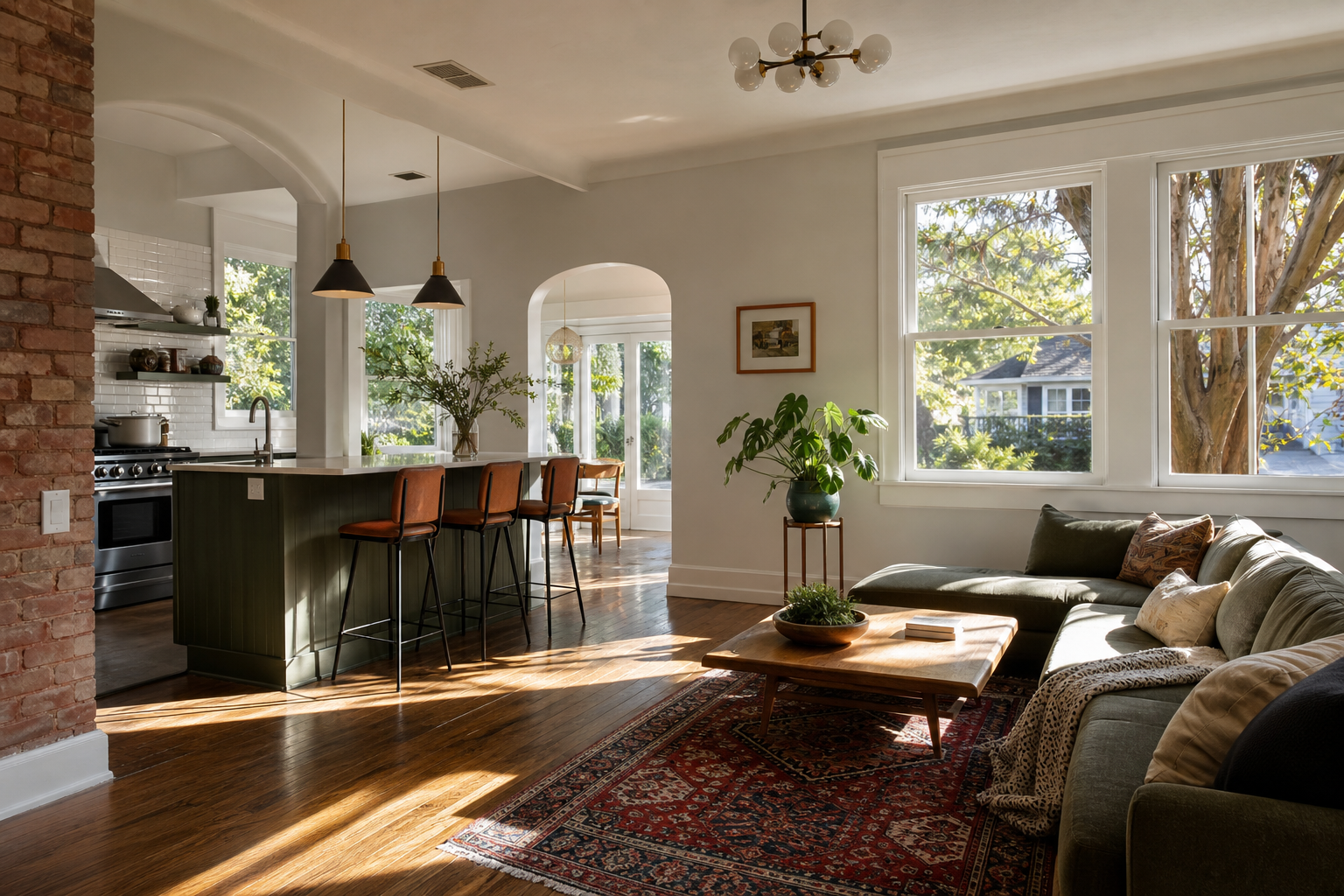
Sept. 2, 2026

Luxury Real Estate in South Tampa: 2026 Guide

luxury-real-estate-south-tampa-guide


South Tampa's luxury market in 2026 spans roughly $1.1M to $8M+, covering high-end condos on Bayshore and Harbour Island to canal-front estates on Davis Islands and Palma Ceia. The market has shifted from a frenzy to a more strategic environment where pricing, presentation, and local knowledge drive outcomes.

What makes South Tampa's luxury real estate market stand out in 2026?

South Tampa is Tampa Bay's flagship luxury submarket, with a price band that runs from roughly $1.1M to $8M+ as of 2026. Whether you're weighing a high-floor condo on Bayshore Boulevard, a canal-front home on Davis Islands, or a sprawling estate near the Palma Ceia Golf and Country Club, this market rewards buyers and sellers who understand its micro-neighborhoods, its current pace, and what drives value at the high end.

The Neighborhoods That Define South Tampa Luxury

South Tampa isn't one market, it's a collection of distinct micro-markets, each with its own price drivers and property character. Here's how I break it down for clients.

Hyde Park and the Historic District

Luxury pricing in Hyde Park ties closely to lot size, historic integrity, and renovation quality. High-end buyers here are paying for architectural character, craftsman bungalows, Mediterranean revivals, and fully restored Victorians, plus walkability to the village and Bayshore. A meticulously renovated historic home commands a meaningful premium over a comparable square footage in a newer build. Condition and authenticity matter more here than almost anywhere else in the city.

Davis Islands

Davis Islands attracts buyers who want boating access, water views, and the feel of a tight-knit island community minutes from downtown. Canal-front lots with deep-water dockage are the most coveted. Buyers I work with here consistently ask about elevation, flood zone designation, and the engineering quality of newer construction, all the right questions. The waterfront lifestyle on nearby Harbour Island draws a similar buyer profile, and the two areas often come up in the same conversation.

Bayshore Corridor and Harbour Island

Luxury condos along Bayshore Boulevard and on Harbour Island compete on view corridors, building amenities, HOA financial health, and the gap between newer tower quality and older inventory. Recent local market data for Harbour Island shows a median sale price of $625,000 across all property types, with homes spending a median of 44 days on market over the trailing 90 days. That figure reflects the full range of the island's inventory, luxury units at the higher end of the building sit well above that median.

For buyers evaluating condos specifically, I always push them to look closely at HOA reserves, any pending special assessments, and the building's post-Florida Senate structural inspection compliance status. Those factors can swing the real cost of ownership significantly.

Palma Ceia, Beach Park, and Virginia Park

Palma Ceia is the quintessential South Tampa estate neighborhood, tree-lined streets, large lots, and homes that range from lovingly preserved older stock to brand-new custom builds. Beach Park and Westshore Palms bring a similar feel with slightly more variation in build era and lot configuration. Buyers here prioritize land, privacy, and long-term customization potential. The tradeoff: older housing stock means more due diligence on construction quality, systems, and, given Tampa Bay's storm exposure, elevation and flood risk.

Ballast Point and the Marina District

The southern end of South Tampa, anchored by Ballast Point Park and the marina, offers a quieter, more residential character. Waterfront lots here carry a premium, and the area has seen increasing interest from buyers seeking larger parcels with bay access at price points that can be slightly more accessible than Davis Islands.

How the Market Behaves in 2026

The honest framing for South Tampa luxury in 2026 is this: the frenzy is over, and that's actually good news for serious buyers and well-prepared sellers alike. The market has shifted from a sprint to a more deliberate pace, what I'd call a sophisticated stabilization.

Days on market and inventory

Luxury homes in South Tampa are spending more time on the market than they did during the 2021-2022 run-up. That extended timeline isn't a sign of weakness, it reflects a more balanced environment where buyers are doing real due diligence and sellers can't skip the fundamentals of presentation and pricing. According to Florida Realtors, the Tampa-St. Petersburg-Clearwater MSA saw modest price growth and slightly lower sales volume in May 2026 compared to the prior year, a pattern consistent with what I'm seeing in the luxury tier specifically.

For context on how South Tampa's premium submarkets compare to other areas across the broader Tampa Bay market, here's a snapshot of recent area-level data:

Area Median Sale Price Median Days on Market
Harbour Island $625,000 44
Ybor City $235,000 49
Seminole Heights $415,000 42
Westchase $550,000 50
New Tampa $432,500 50

These are area-level medians across all property types, an individual home's value depends on condition, street, build year, and timing. But the table illustrates why South Tampa commands the attention it does: even Harbour Island's all-in median sits meaningfully above every other submarket shown, and the luxury segment of South Tampa runs well above that.

Cash buyers and financed competition

Cash buyers remain a real presence in South Tampa's $1M+ market, particularly for waterfront and view-driven properties where multiple qualified buyers may surface at once. Financed buyers absolutely do compete and win, but it requires a strong pre-approval, disciplined contingency strategy, and flexibility on timing. I walk every financed buyer I work with through exactly what their offer looks like against a cash offer before we submit anything, so there are no surprises.

According to the National Association of Realtors, all-cash purchases have remained elevated nationally, and that trend is amplified in high-demand luxury corridors. South Tampa is no exception.

Condos vs. estates: different calculus, same fundamentals

Luxury condos on Bayshore and Harbour Island appeal to buyers who want amenities, lock-and-leave convenience, and views without the maintenance footprint of a large estate. The evaluation checklist is different: HOA fees, building reserves, elevator and amenity condition, and the building's structural inspection and insurance picture all factor into the real cost of ownership. Post-2024 legislative changes in Florida around condo reserve requirements, tracked through the Florida Department of Business and Professional Regulation, have added a layer of scrutiny that every condo buyer in this state should understand before going under contract.

Luxury estates in Davis Islands, Palma Ceia, and Beach Park appeal to buyers prioritizing land, privacy, and long-term customization. The due diligence shifts toward construction quality, elevation certificates, flood insurance costs, and the condition of older systems. Neither path is inherently better, they serve different lifestyle goals, and the right choice depends entirely on your situation.

Pricing right from the start

In a market where luxury homes are sitting longer, pricing strategy from day one matters more than it did when everything sold in a weekend. Overpriced listings in the $2M-$5M range are sitting, accumulating days on market, and eventually selling at a discount that a well-priced listing would have avoided entirely. I've seen this pattern repeat enough times that it's one of the first conversations I have with any seller before we talk about anything else.

The Greater Tampa Realtors market data and Redfin's data center both reflect this dynamic at the city level, modest price growth, stable but not frenzied demand, and a market that rewards preparation over optimism.

What to Expect as a Buyer or Seller in 2026

For buyers

The shift toward a more balanced market means you have more time to do real due diligence, and you should use it. Luxury transactions in South Tampa involve meaningful complexity: flood zone analysis, HOA financials, historic preservation considerations, and in some cases, the interplay between Hillsborough County zoning and renovation plans. Getting into contract on the right property at the right price requires knowing which micro-market you're actually in and what comparable sales actually support.

If you're comparing South Tampa to other Tampa Bay luxury options, my South Tampa vs. St. Petersburg 2026 buyer's guide walks through how the two markets differ in price, lifestyle, and long-term trajectory.

One practical edge worth noting: in a market where new luxury listings are scarce, Harbour Island saw only 4 new listings in the past 30 days, getting notified before a home hits the major portals can be the difference between having a shot and missing it entirely. I make sure my buyers are set up for that kind of early access.

For sellers

This environment rewards data-driven pricing, professional staging, and a marketing narrative that speaks to what your specific property actually offers, walkability, water access, architectural character, renovation quality. Generic luxury marketing doesn't move the needle the way it did in 2021. Buyers at this price point are sophisticated, often working with their own advisors, and they can spot a listing that's been sitting.

The Consumer Financial Protection Bureau notes that luxury buyers increasingly conduct thorough financial due diligence before making offers, which means your property needs to hold up under scrutiny, not just show well in photos.

Your specific number, what your home is worth in this market, right now, depends on your street, your build year, your condition, and your timing. That's where a detailed, data-driven market analysis matters more than any general estimate.

Frequently Asked Questions

Is South Tampa still a strong luxury market in 2026, or have prices corrected?

South Tampa remains Tampa Bay's strongest luxury submarket, with prices in the $1.1M to $8M+ range holding broadly stable in 2026. The market has slowed from its 2021-2022 pace, but that reflects normalization rather than a correction, well-priced, well-presented homes are still selling, just with more days on market and more buyer negotiating room than during the frenzy.

How do Hyde Park, Davis Islands, Palma Ceia, and Bayshore compare as luxury submarkets?

Each micro-neighborhood has distinct price drivers. Hyde Park values architectural character and walkability. Davis Islands commands premiums for boating access and water views. Palma Ceia and Beach Park are estate-oriented, with large lots and a mix of historic and new construction. Bayshore and Harbour Island luxury condos compete on views, amenities, and building quality. The right choice depends on your lifestyle priorities, not just price per square foot.

What does $2 million buy in South Tampa right now?

At $2M in South Tampa, you're typically looking at a mid-tier luxury single-family home in Palma Ceia or Beach Park, think 3,500 to 4,500 square feet, updated finishes, and a good lot. On Davis Islands, $2M can get you a well-positioned canal-front home depending on dock access and build year. On Bayshore, $2M reaches into the upper floors of established towers or entry-level newer construction. Every scenario involves meaningful tradeoffs that a local market analysis will clarify.

How long are luxury homes in South Tampa staying on the market in 2026?

Days on market in the luxury tier have extended compared to 2021-2022. Homes priced accurately for current conditions are moving, but overpriced listings are sitting for months and often selling below where a well-priced launch would have landed. Across the broader South Tampa and Harbour Island market, recent data shows a median of around 44 days, and the $1M+ segment can run longer depending on price point and property type.

Do financed buyers compete effectively against cash in South Tampa's $1M+ market?

Yes, financed buyers win in South Tampa's luxury market regularly, but it requires preparation. A strong pre-approval from a lender experienced with jumbo financing, a clean contingency structure, and flexibility on timing are the tools that close the gap with cash offers. For the most competitive waterfront and view-driven properties, the difference between a well-constructed financed offer and a cash offer can be narrow if the buyer is genuinely prepared.

Ready to navigate South Tampa's luxury market with a clear picture of what your home is worth, or what you can realistically buy? Start with an accurate valuation: get your instant home valuation here, and let's talk through the numbers together.

About Patrick Uhler

Patrick Uhler is a Broker Associate with Pineywoods Realty who leads The Uhler Group, helping buyers and sellers across the Tampa Bay area find and sell homes and condos, with deep expertise in South Tampa's luxury market, from Bayshore condos to Davis Islands estates.

Pineywoods Realty · (813) 400-3373

Equal Housing Opportunity. Patrick Uhler is a Broker Associate with Pineywoods Realty, licensed in Florida and regulated by the Florida Real Estate Commission. This article is general information only, not legal, tax, or financial advice. Confirm your own numbers with your closing agent, tax advisor, or lender. Broker compensation is fully negotiable and not set by law.
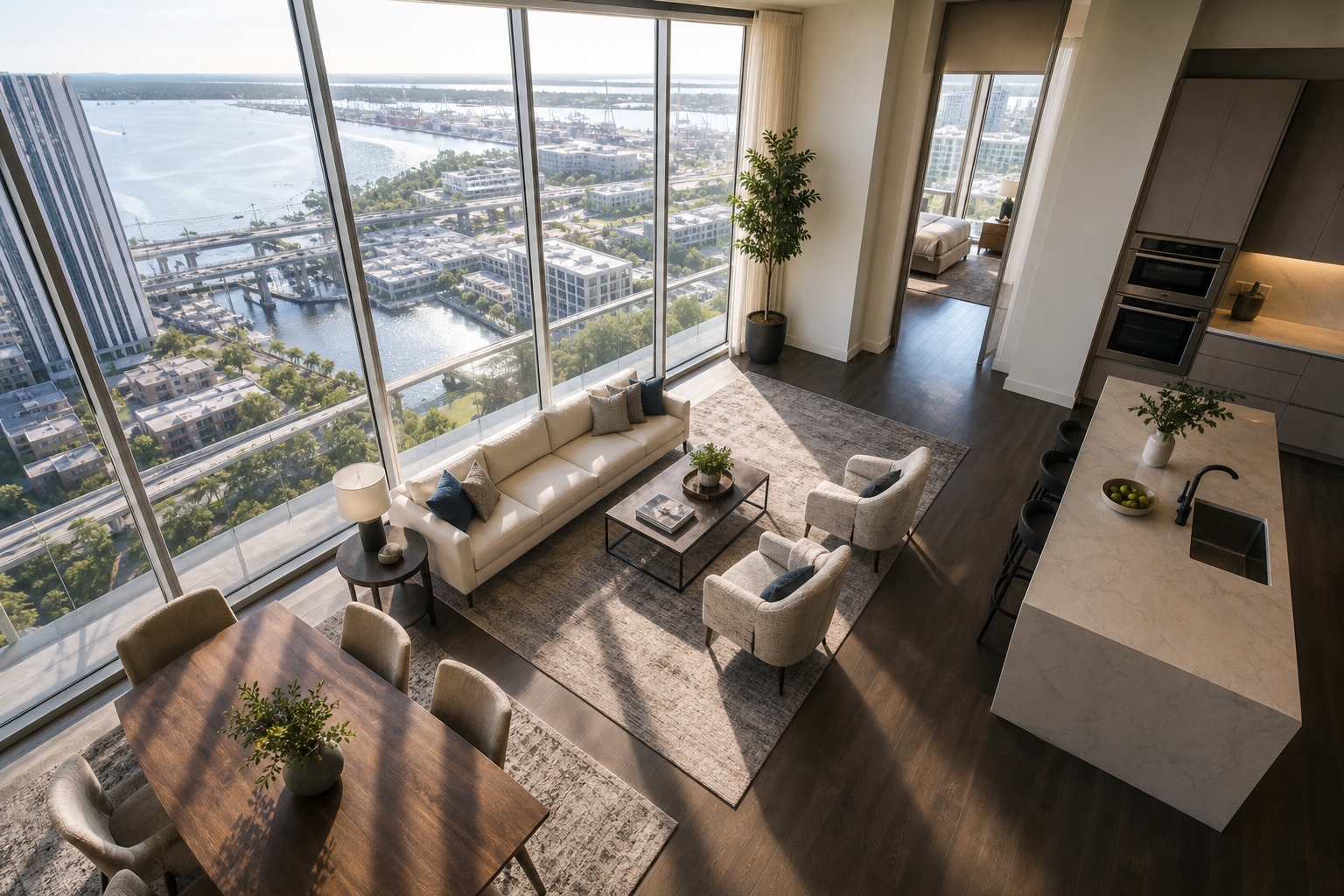
Sept. 1, 2026

Pricing Your Seminole Heights Home Right in 2026

pricing-seminole-heights-home-right-2026


In Seminole Heights, pricing your home accurately from day one is the single biggest factor in how fast and how well it sells. With Tampa Bay's median days on market at 43 in Seminole Heights and 63.7% of Tampa homes closing below list price, overpricing at launch almost always costs you time and money.

Why does pricing your Seminole Heights home correctly matter so much right now?

In Seminole Heights, the difference between a home that sells in three weeks and one that lingers for three months usually comes down to one decision: what you listed it for on day one. Recent local market data show a median sale price of $415,000 and a median of 43 days on market in Seminole Heights, but those averages hide a wide gap between homes that priced right and those that didn't. Get it right from the start and you attract serious buyers during the window that matters most. Overprice it and you'll spend weeks chasing the market down.

What the 2026 Tampa Bay Market Is Actually Telling Sellers

This is not the 2021 market. Buyers in Tampa Bay today have options, time, and mortgage payments that keep them honest about what they'll stretch for. Redfin's Tampa housing market data puts the three-month median sale price at $466,000 as of late August 2026, up just about 1.2% year-over-year. That's modest growth, not a surge, and it reflects a market where buyers are being selective.

The number that should matter most to any Seminole Heights seller right now: Zillow's Tampa data through July 31, 2026 shows that only 18.4% of Tampa homes closed over list price, while 63.7% closed under list price. The median sale-to-list ratio sits at 0.980. Bidding wars are the exception, not the rule. That means your list price isn't a starting point for negotiation upward, it's the ceiling most buyers are working from.

Inventory is also giving buyers more room to compare. A Homes.com Tampa housing market report for July 2026 shows 20,690 active homes on the market, with median sale prices rising just 2.6% to $384,900 and home sales up 3.8% year-over-year. Buyers are active, but they're choosy. They're comparing your Seminole Heights bungalow against every other similar home on the block, and they'll wait out an overpriced listing without a second thought.

A Realtor.com snapshot updated August 31, 2026 places Tampa's median days on market at about 65 days city-wide, with a median price per square foot near $284. Seminole Heights is tracking better than that city-wide average right now, but only for homes that come in priced to the current market.

How Seminole Heights Compares to Other Tampa Bay Areas

Context matters when you're pricing. Here's where Seminole Heights sits relative to other areas I work across Tampa Bay, based on recent local market data (trailing ~90 days, as of September 2026):

Area Median Sale Price Median Days on Market
South Tampa $605,000 61
Harbour Island $625,000 43
Ybor City $235,000 48
Seminole Heights $415,000 43
Westchase $533,000 50
New Tampa $435,000 50

These are area-level medians. Your specific home's value depends on its condition, renovation level, lot size, and exact street. But the table makes one thing clear: Seminole Heights is holding its own in days on market compared to pricier neighborhoods. That's a real advantage, and it's one you can lose quickly with an aggressive list price. (For a deeper look at how pricing dynamics differ across the city, see my post on home pricing in South Tampa's competitive market.)

The Real Cost of Overpricing Your Seminole Heights Home

Here's what I tell every seller who asks me about "testing the market" with a higher price: the market doesn't give you a second first impression.

The first two to three weeks your home is listed are when it gets the most attention. Buyers who've been watching Seminole Heights are notified the moment a new listing hits. They compare it immediately against everything else they've seen. If your price is out of step with recent closed sales in the neighborhood, they move on, and they don't come back.

What typically happens after that:

  • Showings drop off after the initial launch window passes with no offers.
  • A price reduction follows, usually after two to four weeks of low traffic.
  • The price cut signals a problem to buyers who are now watching. They wonder what's wrong with the house, not the price.
  • Negotiating leverage weakens. Buyers who do engage after a reduction know you're motivated, and they'll push harder on price and terms.
  • You end up selling below what you would have gotten with an accurate list price from day one.

I've walked sellers through this pattern more times than I'd like. The math rarely works in the overpriced seller's favor. Pricing a home right the first week matters more than chasing the market down later, and in Seminole Heights' current environment, that's especially true.

Why Mortgage Rates Are Amplifying Buyer Sensitivity

Mortgage rates hovering in the mid-6% range through mid-2026 mean buyers are running tighter monthly payment calculations than they were two or three years ago. A $30,000 price difference on a Seminole Heights home isn't just $30,000 to a financed buyer, it's a meaningful monthly payment increase that can push them out of their comfort zone entirely.

Seminole Heights attracts buyers who know the neighborhood well. Many have been watching listings for months. They've seen what homes have sold for, what price cuts have happened, and where the real value sits. When a new listing comes in above what recent comparables support, they don't just hesitate, they often walk away and wait for the inevitable reduction, or they move to a competing home that's priced more realistically.

The Zillow Tampa value series also shows an average home value at $380,300, down 1.3% year-over-year, with homes going pending in about 29 days on average, but that "days to pending" figure is highly sensitive to price and presentation. Well-priced homes in move-in condition can beat that average. Overpriced ones drag it well past it.

What "Pricing Right" Actually Means in Practice

Pricing right doesn't mean pricing low. It means pricing where the data points, not where your hopes do. In practice, that involves:

  • Recent closed sales in Seminole Heights and adjacent blocks, adjusted for renovation level, square footage, and lot characteristics, not 2021 or 2022 peak prices.
  • Active and pending competition as a reality check. If similar homes have been sitting at a certain price point for 45-plus days, listing above that band is a risk you need to understand going in.
  • Current sale-to-list ratios and days on market from local MLS data to set realistic expectations about where you'll land relative to your list price.
  • Your home's specific condition and presentation. A fully renovated Craftsman bungalow on a quiet Seminole Heights street commands more than an unrenovated comparable two blocks away. The data has to be adjusted, not just averaged.

An accurate, data-driven valuation is the foundation of every pricing conversation I have with sellers. It's not a guess and it's not an opinion, it's what the market is actually doing right now, applied to your specific home. That's a very different number than what Zillow estimates or what your neighbor got in 2022.

If you want to know what that number looks like for your Seminole Heights home, get an instant home valuation here, it's a starting point, and I'll follow up with the full market analysis behind it.

Frequently Asked Questions

What happens if I start too high on my list price in Seminole Heights?

The most common outcome is low traffic in the first two to three weeks, the most critical window for any new listing, followed by a price reduction that signals to buyers the home may have been overpriced to begin with. In a market where 63.7% of Tampa homes already close below list price, an overpriced start usually means a longer time on market and a final sale price below what a realistic launch price would have achieved.

Are Tampa buyers in 2026 still paying over asking, or do most Seminole Heights homes sell below list?

Most sell at or below list. Tampa's median sale-to-list ratio is 0.980, and only 18.4% of sales closed over list price through July 2026, according to Zillow's Tampa data. In Seminole Heights specifically, recent local market data show a median of 43 days on market, which is competitive, but that advantage belongs to homes priced in line with current comparables, not ones testing the top of the range.

Does it hurt my chances if I drop the price after a few weeks instead of pricing right from day one?

Yes, in most cases. Price reductions reset the listing's perceived freshness and often trigger buyer skepticism about why the home didn't sell initially. Buyers who've been watching the neighborhood will notice, and some will use it as leverage to push harder in negotiations. The sellers I've seen navigate this market best are the ones who come in accurate from the start and avoid the reduction cycle entirely.

Is it better to price my Seminole Heights bungalow slightly below market to sell faster, or at market value and wait?

Pricing at market value, based on current, accurate comparables, is almost always the right call. Pricing aggressively below market can generate multiple offers in certain conditions, but in 2026's more tempered Tampa Bay market it also risks leaving money on the table if buyer demand for your specific home isn't as strong as anticipated. The goal is a price that attracts serious buyers quickly without conceding value unnecessarily. That's a conversation worth having with a local agent who knows what's actually closed nearby.

How do recent Tampa Bay days-on-market and sale-to-list ratios affect pricing strategy for my Seminole Heights home?

They're the clearest signal available. With Tampa's city-wide median days on market around 65 days and Seminole Heights tracking at 43, buyers are taking their time and comparing options carefully. A Redfin report from late August 2026 confirms modest year-over-year appreciation of about 1.2%, which means the market isn't bailing out overpriced sellers the way it did during the pandemic surge. Pricing strategy has to reflect today's data, not yesterday's headlines.

The bottom line: in Seminole Heights' current market, your list price is your most powerful tool, and it does the most damage when it's wrong. Getting it right from day one is what separates a smooth, successful sale from weeks of frustration and price cuts.

I work with sellers across Seminole Heights and the broader Tampa Bay area to build pricing strategies grounded in what the market is actually doing. If you're thinking about selling, start with a real valuation: get your instant home valuation here, and I'll walk you through what the data means for your specific home.

About Patrick Uhler

Patrick Uhler is a Broker Associate with Pineywoods Realty who leads The Uhler Group, helping buyers and sellers across the Tampa Bay area, including Seminole Heights, New Tampa, Wesley Chapel, and beyond, find and sell homes and condos.

Pineywoods Realty · (813) 400-3373

This article is general market information, not legal, tax, or financial advice. Verify your own numbers with your closing agent, tax advisor, or lender. Equal Housing Opportunity. Patrick Uhler, Broker Associate, Pineywoods Realty, licensed by the Florida Real Estate Commission.

Posted in Selling Your Home
Aug. 31, 2026

Water Street Tampa: Channelside's Game-Changer

water-street-tampa-channelside-property-values


Water Street Tampa is a $3–3.5 billion, 50-acre mixed-use redevelopment that has reshaped Channelside into a walkable urban waterfront district. Early 2026 data shows a Channelside median condo price near $485,000, year-over-year appreciation of roughly 7.5%, and new-build luxury units exceeding $1.2 million, all driven largely by Water Street's scale and momentum.

How is Water Street Tampa changing Channelside property values?

Water Street Tampa is a $3–3.5 billion, 50-acre mixed-use waterfront redevelopment that has fundamentally repositioned Channelside as one of Tampa Bay's most in-demand urban neighborhoods. Early 2026 market data puts the Channelside median condo price near $485,000, with year-over-year appreciation running at roughly 7.5%, above both downtown Tampa's 6.8% and the broader city's 6.1%, and luxury Water Street Residences setting new price-per-square-foot records for the Channel District above $485 per square foot.

What Water Street Tampa Actually Is (and Where It Stands in 2026)

If you haven't been down to Channelside lately, the scale of this project is hard to overstate. Water Street Tampa spans roughly 50 acres of what was largely underused land between downtown and the Channel District, and it's planned to deliver more than 9 million square feet of mixed-use space, residential, office, hotel, retail, entertainment, and educational uses all woven together.

The total investment is commonly cited at $3 to $3.5 billion, making it one of the largest private urban redevelopments in U.S. history. And it's not a future promise, Phase 1 is already operating.

Phase 1 is done. The next wave is underway.

Phase 1 opened in stages between 2020 and 2023, delivering the EDITION hotel, Class-A office towers, early residential buildings, and ground-floor retail. By 2024 and 2025, local commentary started describing Water Street as a fully functioning second downtown sitting right next to Channelside.

Then in July 2026, Strategic Property Partners announced a new 452-unit residential tower as part of nearly $1 billion in additional planned investment, adding more than 2 million square feet of development and nearly 200,000 square feet of retail and restaurant space beyond what's already been delivered. Buyers purchasing in Channelside today are entering a district that is still mid-way through its growth curve, which is exactly where opportunity tends to live.

The numbers behind Phase 1's economic footprint

The most recent formal impact report, published around May 2023 and still the latest quantified analysis available as of August 2026, found that Phase 1 alone generated approximately $520 million in annual economic output, roughly 5,900 permanent jobs per year, and more than $23 million in annual city and county revenue. That's the foundation already in place, and it's what's pulling residents, employers, and capital into the district.

At full build-out, planning documents project around 45,000 employees connected to Water Street's office and commercial space, 13,700 residents in the broader downtown/Channel District/Harbour Island zone, and more than 3.1 million annual visitors. That combination of daytime employment, resident population, and visitor traffic is what makes a neighborhood's real estate durable, not just trendy.

What This Means for Channelside Property Values Right Now

Here's what I tell buyers and sellers who ask me about Channelside: Water Street hasn't just added new inventory, it's reset the pricing conversation for the entire Channel District.

Early 2026 market commentary citing the Greater Tampa Association of Realtors notes that Water Street Residences have set new price-per-square-foot records for the Channel District at roughly $485 per square foot, and that this has pulled valuations in adjacent pre-existing buildings up by an estimated 10 to 15%. That's the halo effect in action: a new-build luxury anchor raises the perceived and actual value of everything around it.

What the price spectrum looks like across Channelside

Channelside isn't a one-price-fits-all market. Based on early 2026 aggregator data drawing on Zillow and Redfin figures, here's how the product tiers break down directionally:

  • Older Channelside condos (early 2000s buildings): commonly cited in the mid-$300,000s for 1-bedroom units, rising with floor plan size and water views
  • Median Channelside condo price: approximately $485,000 as of Q1 2026, with an average around $345 per square foot
  • New-build and luxury units at or near Water Street Residences: frequently reported above $1,200,000, with price-per-square-foot records in the mid-$400s

These are directional ranges based on early 2026 estimates, not official appraisals, and individual unit values shift with condition, floor, views, and timing. Your specific number depends on exactly what you're buying or selling, which is where a current market analysis becomes essential.

How Channelside compares to nearby Tampa submarkets

To put Channelside in context, here's how it sits alongside other areas I work regularly, based on recent local market data (trailing approximately 90 days as of August 2026). These are area-level medians, individual homes vary by condition, street, and build year.

Area Median Sale Price Median Days on Market
South Tampa $603,750 60
Harbour Island $600,000 42
Ybor City $230,000 48
Seminole Heights $415,000 45
Westchase $559,845 31
New Tampa $435,000 49

Channelside's early 2026 median of approximately $485,000 slots it above the city-wide Tampa median of roughly $410,000 and above Seminole Heights and New Tampa, a reflection of the waterfront urban premium Water Street has helped create. For more on how Harbour Island and South Tampa compare as waterfront urban options, my Harbour Island buyer's guide covers that territory in detail.

The Lifestyle Case: Why People Are Moving Here

Price appreciation doesn't happen in a vacuum. Channelside's numbers are moving because the day-to-day experience of living there has genuinely changed.

Water Street's master plan prioritizes pedestrian-focused streets, public greenbelts, and roughly 12.9 acres of green space, a deliberate shift away from the car-dependent layout that defines most of Tampa Bay. Residents can walk to restaurants, fitness studios, hotels, and entertainment without getting in a car.

And the entertainment anchors surrounding Water Street are serious:

  • Amalie Arena, home of the Lightning and a major concert venue, steps from the district
  • The Florida Aquarium, projected around 1.1 million visitors per year after its expansion, per mid-2026 commentary
  • Port Tampa Bay cruise terminal, handling approximately 1.2 million cruise passengers annually, which supports hospitality and short-term rental demand in the area
  • A planned entertainment district announced in December 2025, featuring a 3,500-seat music venue, a 250-room hotel, 100,000 square feet of retail and dining, and over 1,000 parking spaces, per a 2026 overview of Tampa's major projects

That cluster of demand drivers, employment, entertainment, hospitality, and walkability, is what separates Channelside from a typical condo corridor. It's the difference between a neighborhood that appreciates because of hype and one that appreciates because of genuine, sustained activity.

If you want the full picture of what daily life in Water Street Tampa looks and feels like, my Water Street Tampa Urban Living Guide for 2026 goes deeper on the lifestyle side.

Every buyer's situation is different, whether you're weighing a new-build Water Street unit against an older Channelside condo, or trying to decide how this market fits your long-term goals, the only way to get a real answer is to run the numbers on a specific property with someone who knows this submarket. That's exactly the kind of conversation I have with clients before they make a move.


Frequently Asked Questions

Has Water Street Tampa actually pushed up condo prices in Channelside, and by how much?

Yes, and the data backs it up. Early 2026 market commentary citing the Greater Tampa Association of Realtors notes that Water Street Residences set new price-per-square-foot records for the Channel District at roughly $485 per square foot, with adjacent pre-existing buildings seeing estimated valuation increases of 10 to 15% in their wake. The Channelside median condo price reached approximately $485,000 as of Q1 2026, with year-over-year appreciation of about 7.5%, outpacing both downtown Tampa (6.8%) and the broader city (6.1%).

What types of properties are available in Channelside, older loft condos vs. new Water Street buildings?

Channelside offers a real spectrum. Older condos from the early 2000s, loft-style units in established buildings, commonly trade in the mid-$300,000s for a 1-bedroom, depending on size and views. At the other end, new-build luxury units at or near the Water Street Residences are frequently reported above $1,200,000, with price-per-square-foot records in the mid-$400s. The area median sits around $485,000 as of early 2026. About 85% of Channelside sales are condos, so this is a vertical, high-rise market rather than a single-family one.

Is buying a condo near Water Street Tampa a reasonable long-term bet for appreciation?

The demand drivers are unusually strong: a nearly $3.5 billion anchor development, projected 45,000 employees at full build-out, 3.1+ million annual visitors to the broader district, and a July 2026 announcement of nearly $1 billion in additional investment. Channelside is still mid-way through its growth curve, with major phases expected to continue into the late 2020s. That said, no investment is guaranteed, individual outcomes depend on the specific unit, building, purchase price, and market timing. I always recommend running a detailed market analysis on any specific property before committing.

How close are Channelside condos to Amalie Arena, the cruise terminal, and the new entertainment district?

Very close, that proximity is a core part of the value proposition. Amalie Arena is walkable from most Channelside addresses, and the Port Tampa Bay cruise terminal handles roughly 1.2 million passengers annually right at the neighborhood's edge. The entertainment district announced in December 2025, featuring a 3,500-seat music venue, hotel, and 100,000 square feet of retail and dining, is planned for the same broader district. Residents here are genuinely within walking distance of major entertainment, not just marketing-copy close.

Does Water Street Tampa really nearly double downtown Tampa's housing inventory, and what does that mean for buyers?

At full build-out, Water Street is planned to add roughly 3,500 new residences to the downtown Tampa area, which local reporting describes as nearly doubling the existing downtown housing inventory. For buyers, that means more product options at a range of price points, from entry-level older condos to luxury new-builds, within the same walkable district. It also means the neighborhood's infrastructure, retail, and services are scaling up alongside the housing supply, which tends to support long-term value rather than dilute it.


Water Street Tampa is the single biggest force reshaping Channelside's real estate market, and in 2026 the district is still mid-build, which means buyers and sellers are navigating a market that is actively evolving. Getting the pricing right, understanding which product tier fits your goals, and knowing what comparable sales actually look like right now requires someone embedded in this market.

If you're thinking about buying or selling in Channelside or anywhere near the Water Street corridor, get an instant home valuation or reach out directly, I'll walk you through exactly where the market stands and what it means for your specific situation.

About Patrick Uhler

Patrick Uhler is a Broker Associate with Pineywoods Realty who leads The Uhler Group, helping buyers and sellers across the Tampa Bay area find and sell homes and condos, including in Channelside, South Tampa, Harbour Island, and the broader Water Street corridor.

Pineywoods Realty · (813) 400-3373

This article is provided for general informational purposes only and does not constitute legal, tax, or financial advice. Market data referenced reflects early 2026 estimates and the most recent published impact reports available as of August 31, 2026; individual property values vary by condition, location, and timing. Confirm your own numbers with your closing agent, tax advisor, or lender. Equal Housing Opportunity. Patrick Uhler, Broker Associate, Pineywoods Realty, licensed by the Florida Real Estate Commission.

Posted in Buying a Home