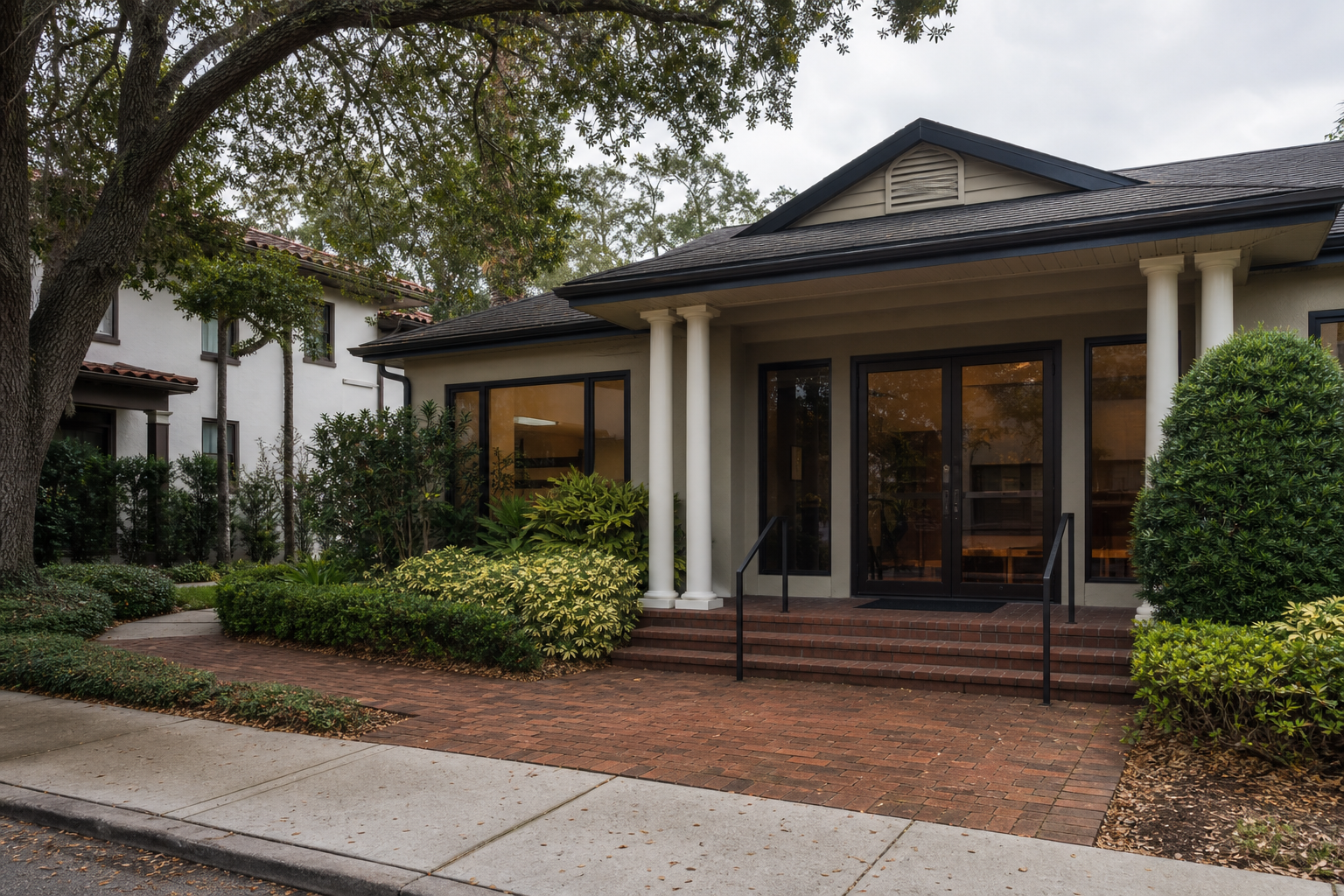
Your net proceeds from a Tampa Bay home sale equal the contract price minus agreed compensation, Florida documentary stamp tax, title and settlement charges, your mortgage payoff, any recorded liens, repair credits, prorated property taxes, and HOA or condo fees. The exact figure depends on your contract, county, lender payoff, and closing date.
How do you calculate net proceeds from selling a Tampa Bay home?
Your net proceeds equal the contract price minus every cost and obligation the closing statement assigns to you: agreed compensation, Florida documentary stamp tax, title and settlement charges, your mortgage payoff, any recorded liens or judgments, repair credits, prorated property taxes, and HOA or condo fees. The exact number depends on your contract terms, your county, your lender's payoff figure, and your closing date, no two seller net sheets are identical.
Key Takeaways
- Recent local market data shows a median sale price of $415,250 in South Tampa and $539,500 in Westchase (trailing 90 days, as of August 2026), but your net proceeds depend on what you owe and what your contract requires you to pay at closing.
- Florida's documentary stamp tax on deeds is $0.70 per $100 (or portion thereof) of the sale price in every county except Miami-Dade, it is a meaningful line item on any Tampa Bay seller's settlement statement.
- Your mortgage payoff is almost never the same as the principal balance on your last statement, it includes interest through the payoff date and can include other lender-authorized amounts.
- HOA and condo estoppel fees, unpaid assessments, and transfer charges can reduce your proceeds more than sellers expect, particularly in Pinellas County condo buildings.
- The preliminary net sheet is an estimate; the final number comes from the executed contract, lender payoff, title commitment, association statement, and the closing agent's final settlement statement.
The question I hear from almost every seller before we go to market is some version of: "What am I actually going to walk away with?" It's the right question to ask. A Tampa Bay home sale involves a longer list of deductions than most people anticipate, and the gap between contract price and net check can genuinely surprise you if you haven't mapped it out in advance. Understanding why an accurate home valuation matters before you list is the first step, because every net-proceeds calculation starts with a realistic price, not a wishful one.
This post walks through each deduction in order, explains how Hillsborough, Pinellas, and Pasco sellers can see different results even on similar sale prices, and tells you exactly what documents to gather so your estimate is as close to reality as possible. For the full picture on what it costs to get to the closing table, the Cost to Sell a House in Tampa Bay post covers the seller-cost side in detail.
What deductions reduce a Tampa Bay seller's net proceeds?
Think of your net sheet as a subtraction problem. You start with the contract price and work down the list. Here is the sequence, in the order a closing agent typically applies it.
Agreed compensation and buyer concessions
Broker compensation is fully negotiable and not set by any law or standard rate, what you agree to in your listing agreement is what appears on the settlement statement. Any compensation a seller chooses to offer a buyer's agent is separately negotiable and optional; it is not automatically bundled into a combined total. Beyond compensation, your contract may also require seller-paid closing costs on the buyer's behalf, a price reduction after inspection, or a repair credit, all of these reduce your net.
Florida documentary stamp tax on the deed
Florida charges a documentary stamp tax on deeds at $0.70 per $100, or portion of $100, of the consideration in every Florida county except Miami-Dade. This applies to the full sale price. On a $415,000 sale, that is a real number, and it compounds quickly on higher-priced properties. The contract can allocate payment responsibility between buyer and seller, so confirm how yours reads. In most Tampa Bay transactions the seller bears this cost, but it is ultimately a matter of what your contract says.
Title, settlement, recording, and lien-release charges
Florida transactions close through a title company, and the contract specifies who selects the settlement provider and which party pays which charges. Seller-side charges typically include the lien-release recording fee for any mortgage being paid off, and potentially a portion of title insurance or settlement services depending on county custom and negotiation. For a deeper look at how these costs are allocated between buyer and seller, see who pays closing costs in Tampa Bay. Every transaction is different, the title company's preliminary settlement statement is the only reliable source for your specific numbers.
Mortgage payoff
Your payoff is not the principal balance on your most recent statement. It includes interest accrued through the payoff date and can include other lender-authorized amounts. Request a formal payoff statement timed to your anticipated closing date, and ask your lender to clarify what happens if closing slips by a few days. Even a short delay can change the number.
Recorded liens, judgments, and code-enforcement balances
A title search will surface any recorded mortgages, judgment liens, unpaid property taxes, code-enforcement claims, or other title defects. These generally must be resolved, paid, released, or bonded over, before the buyer can receive clear title. If you have any open code violations, contractor liens, or old judgments, get ahead of them early. They don't disappear at closing; they get paid from your proceeds.
Repairs, credits, and inspection concessions
After inspection, the buyer may ask for completed repairs, a closing credit, or a price reduction. Whatever form the final agreement takes, it shows up on the settlement statement. The number I use in a preliminary net sheet is always a placeholder until inspections are done and any repair negotiation is settled.
Prorated property taxes
Florida property taxes are paid in arrears, so at closing the seller typically credits the buyer for the portion of the tax year the seller occupied the home. The proration is usually calculated from the most recent available tax bill, which may not reflect the final assessed value for the current year. Your contract's tax-proration language controls how any difference is handled after closing, review it carefully.
HOA and condo fees, estoppel charges, and transfer fees
If your home is in a homeowners association or condo association, ask the management company for a current account statement or estoppel information as early in the transaction as possible. Potential deductions include unpaid regular assessments, unpaid special assessments, transfer or application fees, document preparation charges, and any other amounts authorized by the governing documents. In Pinellas County condo buildings especially, these charges can add up faster than sellers expect.
How do Hillsborough, Pinellas, and Pasco sellers compare?
All three counties are subject to the same Florida documentary stamp tax statute. But the specific deductions on any individual seller's net sheet depend on the contract, the title company's practices, the association's requirements, and what the seller owes, not just the county. Here is how the context differs across the three.
Hillsborough County sellers
Tampa, Temple Terrace, Plant City, and the surrounding communities sit in Hillsborough County. Before treating any net estimate as reliable, a Hillsborough seller should have the title company's preliminary settlement statement, the lender's written payoff, and any municipal or association balance information in hand. Recent local market data puts the South Tampa median sale price at $415,250 (trailing 90 days, per Stellar MLS), but a seller's actual net depends entirely on what they owe and what their contract requires.
Pinellas County sellers
St. Petersburg, Clearwater, Largo, Dunedin, and the rest of the peninsula fall in Pinellas County. The documentary stamp tax applies the same way, but condo and association balances deserve particular attention here. Pinellas has a dense condo market, and the estoppel process, where the association certifies what is owed, can surface unexpected charges. Get that statement early, not the week before closing.
Pasco County sellers
Wesley Chapel, Land O' Lakes, New Port Richey, and Dade City are Pasco County. The same Florida documentary stamp tax rule applies, and the same calculation sequence holds. Subdivision HOA requirements, municipal utility balances, and title practices can vary by property and contract. Florida Realtors' monthly market data covers Pasco alongside the other Tampa Bay counties if you want to benchmark your price against recent closed sales before running your net-proceeds estimate.
Tampa Bay area market snapshot
Here is where recent closed-sale medians stand across several of the areas I work in, based on trailing 90-day data as of August 2026. These are area-level figures, an individual home's value depends on condition, street, build year, and timing.
| Area | Median Sale Price | Median Days on Market |
|---|---|---|
| South Tampa | $415,250 | 42 |
| Harbour Island | $590,000 | 61 |
| Ybor City | $230,000 | 64 |
| Seminole Heights | $387,500 | 47 |
| Westchase | $539,500 | 55 |
| New Tampa | $422,000 | 55 |
A higher median price means more documentary stamp tax, a potentially larger payoff balance, and higher HOA transfer fees in communities where those are percentage-based. The net-proceeds math scales with the price, which is exactly why I run a personalized estimate for every seller before we set a list price, not after.
FAQ
How do I calculate my net proceeds from selling a Tampa Bay home?
Start with your contract price and subtract, in order: agreed compensation, Florida documentary stamp tax, title and settlement charges allocated to you, your mortgage payoff, any recorded liens or judgments, repair credits or concessions, prorated property taxes, and HOA or condo fees. The result is your estimated net. The only way to get a reliable number is to work through each line with your closing agent using the actual contract, a formal lender payoff, and your association's current balance statement.
Who pays documentary stamp tax in Florida, the buyer or the seller?
Florida's documentary stamp tax on deeds is typically paid by the seller in most Tampa Bay transactions, but the contract controls the allocation, it can be negotiated between the parties. The rate is $0.70 per $100 (or portion thereof) of the sale price in every Florida county except Miami-Dade, per the Florida Department of Revenue. Confirm how your specific contract reads before assuming one party or the other is responsible.
How much will my mortgage payoff reduce my proceeds at closing?
Your payoff will be higher than the principal balance on your last monthly statement because it includes interest accrued through the payoff date and can include other lender-authorized amounts. Request a formal payoff statement from your lender timed to your expected closing date, and ask what the per-diem interest charge is in case closing shifts by a day or two. Never use your statement balance as your payoff figure in a net-proceeds estimate.
What happens to unpaid HOA or condo fees when I sell in Tampa Bay?
Unpaid assessments, special assessments, transfer fees, and other amounts owed to an HOA or condo association are identified through an estoppel letter or account statement and must generally be resolved before or at closing. They come out of your proceeds. Request the estoppel information early in the transaction, waiting until the week before closing can delay your closing date and create last-minute surprises on your net sheet.
Are property taxes prorated when a Hillsborough, Pinellas, or Pasco home sells?
Yes. The closing statement normally credits the buyer for the portion of the tax year the seller occupied the property, calculated from the most recent available tax bill. Because Florida taxes are paid in arrears, the proration at closing may be based on the prior year's bill rather than the final current-year assessment. Review your contract's tax-proration language to understand how any post-closing difference is handled.
How do liens, code violations, or judgments affect my home-sale proceeds?
Recorded liens, judgment liens, unpaid property taxes, and code-enforcement balances surface during the title search and generally must be paid, released, or otherwise resolved before the buyer can receive clear title. These obligations are paid from your proceeds at closing, not after. If you suspect any open violations or old judgments, flag them to your agent and title company at the start of the transaction, not the week before closing.
The bottom line on your Tampa Bay home sale proceeds
Your net proceeds are not a guess, they are a calculation, and every line item on that calculation is knowable before you close. The sellers I work with who feel confident walking into closing are the ones who ran the numbers early, gathered the right documents (lender payoff, HOA balance, title commitment), and understood what each deduction meant before they signed anything.
If you want to see what you'd actually net on your home, I'll run a personalized estimate based on your specific situation, contract terms, payoff, county, and association status included. Start with an accurate picture of what your home is worth today:
Get an instant home valuation from The Uhler Group
This article is general information only and does not constitute legal, tax, or financial advice. Readers should confirm their own costs and obligations with their closing agent, tax advisor, or lender. Equal Housing Opportunity. Patrick Uhler, Broker Associate, Pineywoods Realty, licensed by the Florida Real Estate Commission.


