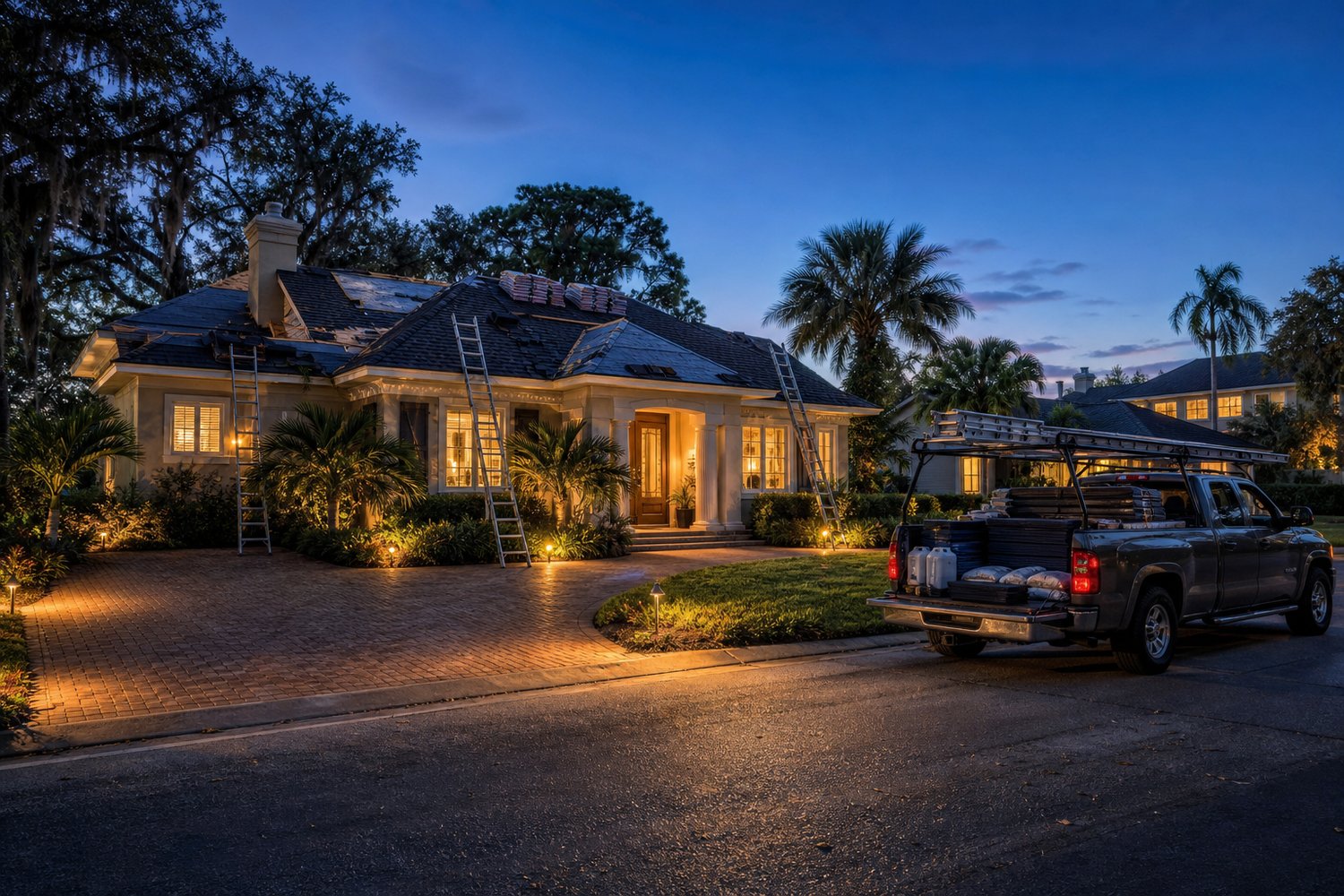
Fix what can derail an inspection, an insurance quote, or a negotiation: active leaks, roof defects, unsafe systems, and structural movement. Skip big kitchen, bath, and layout remodels unless local comparable sales show the home is losing buyers because of them. Start with a roof inspection and a moisture check.
Tampa Bay Home Repairs Worth Making Before You List
What should I fix before listing a Tampa Bay home?
Fix the problems that can derail an inspection, an insurance quote, or a negotiation first: active water intrusion, roof defects, unsafe systems, and structural movement. For a Tampa Bay home, that usually means a roof inspection and a moisture investigation before any paint, staging, or photography. Leave major kitchen, bathroom, and layout remodels alone unless nearby comparable sales show your home is losing buyers because of them.
Key Takeaways
- Recent local market data shows South Tampa homes sold over roughly the last 90 days had a median sale price of $424,999, and your own home's value depends on condition, street, build year, and timing.
- A September 2026 Realtor.com report put Tampa's median time on market at 74 days, which gives buyers time to scrutinize and compare condition issues.
- Florida Statutes § 627.7011 requires an insurer, for a roof at least 15 years old, to allow a homeowner-paid inspection by an authorized inspector before the insurer requires replacement as a condition of issuing or renewing coverage.
- A roof inspection is not a roof replacement, so get the inspection and the paperwork before you commit to a new roof.
- Never paint over a stain until you know where the water came from, because an inspector can find both the defect and the cover-up.
What Should You Fix First on a Tampa Bay Home?
Fix active water intrusion first, then roof defects, then unsafe or failed systems, then visible deferred maintenance. That order follows risk: the items at the top are the ones that trigger inspection objections, insurance questions, financing concerns, and large negotiation demands.
Here is the sequence I use when a seller asks where to start:
- Active water intrusion (roof leaks, plumbing leaks, window or door leaks).
- Roof defects that could affect insurability or financing.
- Unsafe electrical, plumbing, or structural conditions.
- Failed heating, cooling, or water-heating equipment.
- Visible deferred maintenance that makes the home look neglected.
Do I need to replace my roof before listing?
Not automatically. Start with a qualified roof inspection, not a replacement quote. Roof age matters, but it doesn't decide everything.
Under Florida Statutes § 627.7011, when a roof is at least 15 years old, the insurer must allow the homeowner to obtain an inspection by an authorized inspector before requiring replacement as a condition of issuing or renewing coverage. The homeowner pays for that inspection. The Florida Office of the Insurance Consumer Advocate describes the same rule.
The 2026 roofing bill, HB 815, proposed distinguishing between roof types and limiting an insurer from refusing coverage solely because of roof age in the circumstances specified, but it did not become law. The takeaway: don't assume age alone sentences your roof. Condition, inspection findings, and the buyer's policy terms all matter. Nothing in these sources creates a universal requirement that a seller replace every roof of a certain age.
Before you list, gather what a buyer and their insurer will want to see:
- The roof's installation date
- Permits or completion records, where available
- Repair invoices and maintenance records
- Warranties
- An inspection report that identifies active leaks, damaged materials, deficient flashing, or remaining useful life
These records help explain the property's condition, but they don't guarantee coverage and they don't take away a buyer's right to an independent inspection.
How do you handle moisture and drainage problems?
Find the source and correct it before you touch anything cosmetic. In Tampa Bay's humid, storm-exposed climate, moisture shows up in many places: roof leaks, attic moisture, plumbing leaks, window or door intrusion, stucco or siding penetrations, drainage problems, and high indoor humidity.
Don't cover a stain with paint until the source is fixed and the area has dried. If you do, the inspection can reveal an unresolved defect and an attempt to hide it, and that combination does far more damage in a negotiation than the original repair would have.
Check the exterior water path too:
- Gutters and downspouts
- Grading and ponding near the foundation
- Irrigation overspray hitting walls
- Cracked sealants and caulking around penetrations
These fixes are often less expensive and less disruptive than interior water damage, but they need to correct the water path, not just hide its effects.
What about cracks and structural movement?
Separate ordinary settlement cracking from movement tied to foundation, framing, roof, drainage, or moisture problems. Significant or recurring cracks, sloping floors, sticking doors, displaced masonry, or visible foundation movement call for an evaluation by an appropriately qualified professional, and you should keep the written report.
Don't patch and repaint first if it would destroy the evidence of what's happening underneath. Minor hairline drywall cracks are a different story; those are cosmetic touch-ups once you know they're not a symptom of something bigger.
Which Updates Can You Leave Alone Before Selling?
Leave major kitchen, bathroom, layout, and finish upgrades alone unless comparable sales show a specific pricing or marketability problem they'd solve. Buyer preferences vary by neighborhood, price range, property age, and competing listings, and generic payback percentages circulating online don't account for your street or your price point, so I don't lean on them.
What cosmetic work is worth doing?
Modest work that improves first impressions usually earns its place. The decision rule is simple: if it's inexpensive, quick, and directly changes how the home looks in photos and on a showing, do it.
- Deep cleaning and decluttering
- Repairing obvious minor damage
- Improving lighting
- Correcting odors
- Refreshing high-visibility surfaces, which can include repainting where walls are scuffed or dated
- Improving curb presentation
Defer expensive finish changes when the home is already competitive and the proposed project is mostly your personal style preference. A buyer who wants a different countertop will usually weigh it in their offer, but a buyer who finds a leak will weigh it much more heavily.
How Do Comparable Sales Decide What's Worth Fixing in a Tampa Bay Home?
Compare your home with recently sold and currently competing homes in your own neighborhood, then fix what separates you from the ones that sold well. Tampa-wide figures can't substitute for that, because values swing widely from one area to the next.
Recent local market data shows 102 homes for sale in South Tampa right now, with 40 new listings in the last 30 days and 95 homes sold over roughly the last 90 days. That's a lot of competition for a buyer's attention, and a September 2026 Realtor.com report put Tampa's median time on market at 74 days. When buyers have time to compare, condition problems stand out.
Area medians also show why a project that makes sense in one place may not in another:
| Area | Median Sale Price |
|---|---|
| South Tampa | $424,999 |
| Harbour Island | $670,000 |
| Ybor City | $220,000 |
| Seminole Heights | $361,900 |
| Westchase | $559,923 |
| New Tampa | $421,250 |
These are area-level medians, so your home's value depends on its condition, street, and timing.
When I review comps with a seller, I look at roof age and condition, renovation level, lot and flood-related characteristics, price reductions, and final sale-to-list performance. A data-driven valuation beats a guess every time, and it's the fastest way to learn whether a project fixes a real problem. If you want the basics first, read why home valuation matters before selling in Tampa, and see pricing your Hillsborough County home right for how condition feeds into price.
How much time should you build in?
Schedule roof, moisture, and structural evaluations early enough to allow corrective work, drying, permits where required, reinspection, and documentation before photography and listing day. Permit timelines differ by jurisdiction, so check with the city or county building department for your property before work begins.
Keep a file with the inspection report, contractor license and insurance information, invoices, warranties, permits or final approvals where applicable, and photos of concealed work. If you're weighing what repairs mean for your bottom line, what Tampa Bay home sellers actually net at closing explains the categories involved. Your specific answer depends on your home's condition, location, and timing, and that's where a local market analysis and a walk-through with me come in.
FAQ
Should I replace my roof before listing my Tampa Bay house?
Not necessarily; get a qualified roof inspection first. Replacement depends on the roof's condition, the inspection findings, and what buyers' insurers will accept, not on age alone. I'll help you weigh the inspection results against your comps before you spend on a new roof.
Will an old roof make it harder for a buyer to get homeowners insurance in Florida?
It can raise questions, but age alone doesn't settle it. Under Florida Statutes § 627.7011, for a roof at least 15 years old, an insurer must allow a homeowner-paid inspection by an authorized inspector before requiring replacement as a condition of issuing or renewing coverage. Having your own inspection report ready helps buyers and their insurers, though it doesn't guarantee coverage.
What roof documents should I gather before putting my Tampa home on the market?
Collect the installation date, permits or completion records where available, repair invoices, maintenance records, warranties, and a roof inspection report. Add contractor license and insurance information for any recent work. These records explain the roof's history before a buyer starts guessing.
How do I know whether a water stain is an active moisture problem or an old repair?
You often can't tell by looking, so have it evaluated before you paint. A qualified professional can trace the source and tell you whether it's active or past. Fix any active source, let the area dry, and keep the paperwork.
Should I fix a cracked foundation or minor drywall cracks before selling?
Treat them differently. Minor drywall cracks are usually a cosmetic touch-up once you've ruled out a larger cause, but significant or recurring cracks, sloping floors, or displaced masonry need an evaluation by an appropriately qualified professional. Keep the written report and avoid patching over evidence first.
Where to Go From Here
Fix the water, the roof, and the safety items first, and let comparable sales tell you whether anything else is worth doing. If you're getting ready to list a Tampa Bay home, I'll walk through your property with you and build the repair-or-skip list from your actual comps. Get an instant home valuation to start.
Equal Housing Opportunity. Patrick Uhler, Broker Associate, Pineywoods Realty, regulated by the Florida Real Estate Commission. This article is general information, not legal, tax, or financial advice; confirm your own numbers with your closing agent, tax advisor, or lender.