Tampa Real Estate and Community News

Sept. 22, 2026

Why New Tampa Is a Hot Spot for Homebuyers

new-tampa-homebuyer-hot-spot


New Tampa draws homebuyers with its mix of master-planned communities, diverse housing options, and expanding park infrastructure, all at a median sale price of $426,000 and with direct access to I-75 and Bruce B. Downs Boulevard for regional commutes.

Why is New Tampa such a popular area for homebuyers right now?

New Tampa draws buyers with a combination that's genuinely hard to find in one place: master-planned communities, a wide range of housing types, two major parks that have opened or been transformed in the past 18 months, and direct access to I-75 and Bruce B. Downs Boulevard. Recent local market data puts the area's median sale price at $426,000, below several comparable Tampa Bay submarkets, with 53 median days on market, giving buyers a more measured pace than tighter parts of the region.

Key Takeaways

  • New Tampa's median sale price is $426,000 (recent local market data, trailing ~90 days as of September 2026), below nearby Westchase at $559,923 and South Tampa at $462,500.
  • Median days on market in New Tampa is 53, buyers have more time to evaluate than in some faster-moving Tampa Bay submarkets.
  • Branchton Regional Park, a 43-acre facility reported to serve more than 45,000 people within a 10-minute drive, opened in January 2025 with a playground, splash pad, pickleball courts, dog areas, and trails.
  • Cross Creek Park completed a major transformation and reopened in July 2026, adding to an already strong park inventory in the area.
  • Housing options range from larger detached homes in planned subdivisions to townhomes and condominiums, giving buyers real choices across budgets and household sizes.

What does the New Tampa housing market look like compared to other Tampa Bay areas?

New Tampa sits in a compelling middle ground. It's not the most affordable submarket in the region, but it delivers significantly more space, newer construction, and park access than areas priced above it. Here's how recent data lines up across several Tampa Bay submarkets I work across regularly:

These are area-level medians from recent local market data (trailing ~90 days, as of September 2026). An individual home's value depends on condition, street, build year, and timing.

Area Median Sale Price Median Days on Market
South Tampa $462,500 50
Harbour Island $600,000 54
Ybor City $230,000 56
Seminole Heights $390,000 49
Westchase $559,923 53
New Tampa $426,000 53

What stands out to me when I walk buyers through this comparison is that New Tampa's price point is lower than Westchase and South Tampa, yet the park infrastructure, lot sizes, and housing variety are genuinely competitive. If you're working with a budget around the mid-$400s and want newer construction in a planned community setting, New Tampa is one of the first places I'd point you.

Active inventory is relatively tight, recent data shows 51 active listings and only 7 new listings in the past 30 days, so competition for the right home is real even at a 53-day median pace. Knowing what's coming to market before it hits the major portals makes a difference here. I cover how that works in Early Listing Alerts: Tampa Bay Buyer's Edge.

What makes New Tampa's lifestyle appeal stand out?

The honest answer is the suburban-nature balance. Most master-planned communities in Tampa Bay offer amenities within the gates. New Tampa adds something different: direct access to conservation land and a growing public park system that most neighborhoods can't match.

Parks that have actually improved recently

Two significant additions have come online in the past 18 months. Branchton Regional Park opened in January 2025 as a 43-acre facility reported to serve more than 45,000 people within a 10-minute drive. Its amenities include a large playground, splash pad, pickleball courts, dog areas, walking trails, shelters, and a pavilion. That's a meaningful addition to the area's recreation inventory, not a ribbon-cutting for a patch of grass.

Then in July 2026, Cross Creek Park completed a major transformation and reopened at 19019 Basset Creek Drive. Hillsborough County confirmed public access from sunrise to sunset. Two parks upgraded or built from scratch within 18 months is a real infrastructure signal, this is a county investing in the area.

Conservation land you can actually use

Flatwoods Conservation Park, part of the Lower Hillsborough Wilderness Preserve, is one of New Tampa's most distinctive assets. According to Wikipedia's overview of New Tampa, the area offers paved cycling routes, off-road bicycle trails, picnic areas, and nature trails. That kind of preserved land access is rare in a suburban setting, you're not driving 45 minutes to find it.

Community recreation beyond the parks

New Tampa Community Park includes a recreation center with a 12,500-square-foot gymnastics area, a skate park, and programming that includes gymnastics and dance. For households with kids, that's a real amenity, not just a talking point.

What housing options does New Tampa offer buyers?

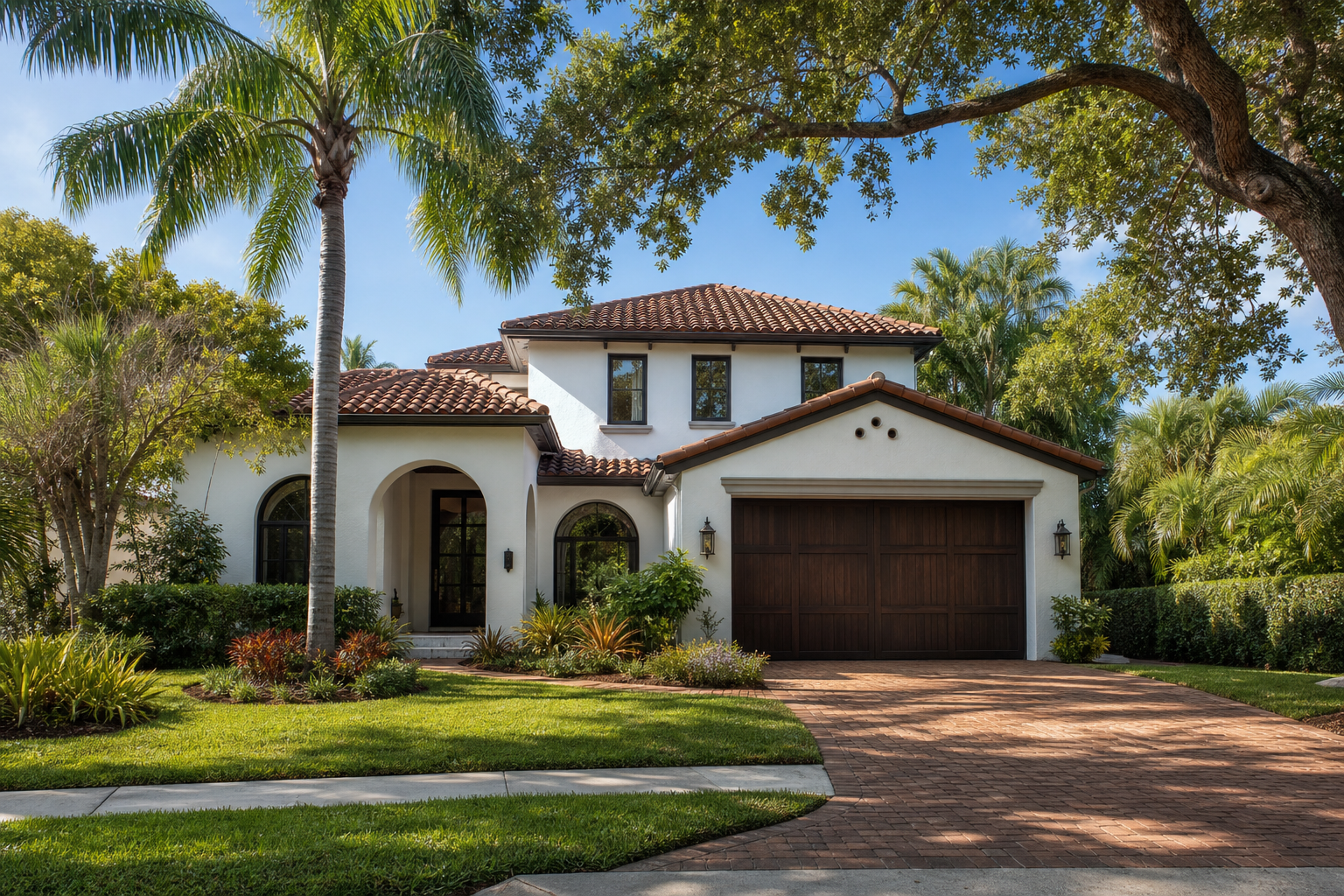
New Tampa's housing mix is one of its genuine strengths. According to the area's community profile, buyers can choose from planned suburban communities with larger single-family detached homes, townhomes, condominiums, and rental-oriented communities. That range matters because it means New Tampa isn't a one-product market, you can find something that fits whether you're buying your first place or upsizing into more square footage.

For buyers drawn to the planned subdivision side of New Tampa, Arbor Greene is one of the more established communities worth understanding. I've put together a detailed look at what buying there actually involves in Buying a Home in New Tampa's Arbor Greene. And if you want a sense of what's being built and designed in the area right now, Modern Home Trends in New Tampa 2026 covers current construction and design directions.

Your specific price range and must-have list will determine which product type fits best, and that's a conversation worth having before you start touring, not after. I run buyers through a real needs assessment before we step foot in a single home.

Corridors and connectivity

New Tampa's major roads, Bruce B. Downs Boulevard, Cross Creek Boulevard, Morris Bridge Road, and I-75, connect residential communities to shopping, employment, and the broader Tampa Bay metro. Whether you're commuting to Wesley Chapel, downtown Tampa, or the USF corridor, the infrastructure is there. That connectivity also means everyday services aren't a project: grocery stores, medical facilities, and retail are woven into the area rather than requiring a long drive.


Frequently Asked Questions

Is New Tampa a good place to buy a home in 2026?

Yes, New Tampa offers a strong combination of newer housing stock, expanding park infrastructure, and a median sale price of $426,000, below several comparable Tampa Bay submarkets. With 53 median days on market, buyers have a more measured pace than in some faster-moving parts of the region, though active inventory is limited and well-priced homes move.

What types of homes are available in New Tampa?

New Tampa includes planned suburban communities with larger single-family detached homes, townhomes, condominiums, and rental-oriented communities. That range gives buyers genuine options across budgets and household sizes, from first purchases to upsizing moves. Current availability shifts quickly, a real-time search with a local agent is the most reliable way to see what's on the market today.

What parks and outdoor activities are near New Tampa?

New Tampa has three notable outdoor assets: Branchton Regional Park (opened January 2025, 43 acres, with a playground, splash pad, pickleball, dog areas, and trails), Cross Creek Park (reopened July 2026 after a major transformation), and Flatwoods Conservation Park within the Lower Hillsborough Wilderness Preserve, which offers paved cycling routes, off-road trails, and nature trails. New Tampa Community Park also includes a 12,500-square-foot gymnastics center and a skate park.

Are there townhomes or condos in New Tampa for first-time buyers?

Yes, New Tampa's housing mix includes townhomes and condominiums alongside larger single-family homes, which can make entry-level price points more accessible. The right fit depends on your budget, HOA tolerance, and lifestyle priorities, I walk first-time buyers through those trade-offs before we start touring so we're not wasting time on the wrong product type.

How far is New Tampa from downtown Tampa and Tampa International Airport?

New Tampa is generally 20–30 miles from both downtown Tampa and Tampa International Airport via I-75 and I-275, with drive times varying significantly by time of day and traffic. Bruce B. Downs Boulevard and I-75 are the primary commute corridors. If commute time is a deciding factor for you, I'd recommend test-driving the route during your actual commute hours before committing to a neighborhood.


New Tampa's combination of housing variety, park investment, conservation land access, and a $426,000 median sale price makes it one of the more well-rounded options in the Tampa Bay market right now. With only 51 active listings in the area, the right home won't wait, and knowing what's coming before it hits the portals is a real advantage.

Get a personalized look at what your budget can do in New Tampa: get an instant home valuation or connect with me directly at The Uhler Group at Pineywoods Realty.

About Patrick Uhler

Patrick Uhler is a Broker Associate with Pineywoods Realty who leads The Uhler Group, helping buyers and sellers across the Tampa Bay area, including New Tampa, South Tampa, Davis Islands, Westchase, and beyond, find and sell homes and condos.

Pineywoods Realty · (813) 400-3373

This article is general information only and does not constitute legal, tax, or financial advice. Market data reflects recent aggregated public listing figures and individual results will vary. Confirm your specific numbers with your closing agent, tax advisor, or lender. Patrick Uhler is a Broker Associate with Pineywoods Realty, licensed by the Florida Real Estate Commission. Equal Housing Opportunity.
Posted in Buying a Home
Sept. 21, 2026

Is Now a Good Time to Sell in Tampa Bay?

good-time-sell-tampa-bay-2026


Selling in Tampa Bay in late 2026 can still make sense, but the data shows a more balanced market than the 2021-2022 boom. Median prices are roughly flat, days on market have stretched to 45-64 days, and inventory sits near 5 months, meaning well-priced, well-prepared homes sell while overpriced ones stall.

Is now a good time to sell a house in Tampa Bay?

Selling in Tampa Bay in late 2026 can still work in your favor, but the data tells a more nuanced story than it did a few years ago. Median prices are roughly flat year-over-year, homes are taking 45–64 days to sell on average, and inventory has climbed to around 5 months of supply, conditions that reward well-priced, well-prepared sellers and punish everyone else.

Key Takeaways

  • The Tampa Bay metro median sale price was approximately $443,000 as of May 2026, roughly flat compared to the prior year, according to iBuyer.com's August 2026 analysis.
  • Active listings are up roughly mid-teens to mid-twenties percent year-over-year, giving buyers more choices and more negotiating leverage than at any point in the past four years.
  • Tampa Bay's inventory sat at approximately 5.4 months of supply as of March 2026, near the upper edge of what analysts consider a balanced market, per Digital Towns market data.
  • Well-maintained homes with newer roofs and accurate pricing are still selling in 25–30 days even in this slower environment, per NOW Tampa Bay's 2026 housing overview.
  • Overpriced listings face a compounding penalty, extra weeks on market, eventual price cuts, and buyers who assume something is wrong with the home.

What does the 2026 Tampa Bay market data actually show?

The short version: Tampa Bay is no longer the frenzied seller's market it was in 2021 and 2022. It hasn't collapsed either. What we have is a market that has normalized, and that distinction matters a lot depending on your situation.

Here's what the data shows heading into fall 2026.

Prices are flat, not falling

According to iBuyer.com's August 2026 Tampa Bay housing analysis, the metro median sale price was around $443,000 based on the three months ending May 2026, with homes averaging roughly 45–64 days on market depending on the segment. A separate mid-year snapshot from portal data puts the median sale price closer to $383,333 for May 2026, with a median list price around $415,500 in June 2026, a gap that tells you buyers are negotiating, not just accepting ask price.

Digital Towns' March 2026 market trends data pegged the Tampa median around $433,000, with days on market ranging from 44 to 98 days depending on the submarket and price tier. That wide range is the story: this isn't one market, it's several.

The takeaway for sellers: modest price appreciation is possible, but counting on it to bail out an overpriced listing is a losing strategy right now.

Inventory has shifted the balance of power

During the pandemic boom, Tampa Bay routinely had one to two months of supply. Buyers had almost no leverage. That's changed significantly.

As of March 2026, Digital Towns reported Tampa at approximately 5.4 months of inventory, above the national average of roughly 3.8 months at the time, and squarely in the range most analysts call balanced. NOW Tampa Bay's 2026 Florida housing overview puts the single-family range at 4.3–5.4 months of supply through mid-2026, consistent with that reading.

More inventory means buyers have options. They're comparing your home to several others, not scrambling to beat out five other offers. That doesn't mean you can't sell, it means the homes that sell are the ones that stand out on price, condition, and presentation.

I walk every seller I work with through what the active competition looks like before we set a price. In a market with this much supply, that step isn't optional.

Days on market have lengthened, recalibrate your expectations

This is the biggest mindset shift sellers need to make in 2026. If you sold a home in 2021 or 2022 and remember offers rolling in within 48 hours, that experience is no longer the baseline.

The August 2026 analysis shows homes averaging 45–64 days on market across the metro. A September 2026 snapshot suggests the range has been running 41–56 days depending on the segment, longer than spring 2026's pace but not dramatically so. Thirty to sixty days on market is now normal, and two months on the market isn't automatically a red flag if the home is priced and positioned correctly.

The exception: well-priced homes with key updates like newer roofs are still moving in 25–30 days. That's a meaningful gap from the 55+ day average, and it's entirely within a seller's control.

Here's the area-level breakdown from trailing data across several Tampa Bay submarkets, based on recent closed sales:

Area Median Sale Price Median Days on Market
South Tampa $415,250 38
Harbour Island $650,000 53
Ybor City $230,000 55
Seminole Heights $365,000 31
New Tampa $426,000 52

These are area-level medians, your home's value depends on its condition, street, and the specific comps around it. But the pattern is clear: inner-ring neighborhoods like Seminole Heights and South Tampa are moving faster than higher-priced or more outlying areas. That's useful context when you're deciding whether to list now or wait.

Should you sell now or wait until 2027?

This is the question I get most often, and the honest answer is: it depends on your goals and your property. The data doesn't give a universal yes or no, it gives you the conditions you'd be selling into, and then you decide whether those conditions work for you.

The case for selling now

Selling in late 2026 makes the most sense if:

  • Your home is well-maintained and move-in ready, particularly if you have a newer roof, that's the single biggest differentiator in the current market.
  • You can price within the current comp range, not above it, and still meet your financial goals.
  • You're planning to buy in the same market. A more balanced market cuts both ways, you'll have more time and more choices on the buy side than you would have had in 2022.
  • You're in a high-demand submarket like Seminole Heights or South Tampa, where days on market are running below the metro average.

For sellers who are also buyers, the current environment actually has an underappreciated upside. More inventory, longer timelines, and less competition on the purchase side means you're not giving up the leverage you gain on the sell side. That's a real advantage worth factoring in.

The case for waiting

Waiting might make more sense if:

  • You're counting on significant price appreciation before you sell. The data doesn't support that right now, year-over-year gains are flat to slightly negative in some indices, per Digital Towns and the NOW Tampa Bay overview.
  • Your property has deferred maintenance, an aging roof, or insurance complications. In this market, those issues show up as longer days on market and steeper price reductions, not the kind of outcome you want. Addressing them first almost always pays off.
  • You're in a Pinellas coastal submarket with elevated flood or insurance exposure. Buyer caution around insurance costs has been a real factor in those areas, and it can lengthen your timeline or require sharper pricing to compensate.

For a deeper look at how pricing strategy plays out specifically in South Tampa's competitive price tiers, I've written about it at Home Pricing in South Tampa's Competitive Market, the dynamics there are worth understanding before you set a number.

The submarket picture matters more than the metro average

Tampa Bay isn't one market. Hillsborough, Pinellas, and Pasco each have their own dynamics in 2026.

Inner-ring Hillsborough neighborhoods, South Tampa, Seminole Heights, parts of Ybor City, tend to move faster when priced correctly, partly because of proximity to employment and walkability, and partly because the buyer pool is deeper. Pinellas coastal areas are dealing with heightened insurance sensitivity, which adds friction to the buyer side and can push days on market higher or force pricing adjustments. Pasco is more affordability-driven and rate-sensitive, demand is there, but buyers in that market are watching mortgage rates closely and have more new-construction competition to weigh.

The Florida Realtors monthly market data reports break out the Tampa–St. Petersburg–Clearwater MSA by property type and include county-level detail, that's the most authoritative local data feed for tracking how these submarkets diverge month to month.

If you want to understand where your specific property sits within all of this, an accurate, data-driven home valuation is the place to start, not a Zestimate, but a real comp-based analysis that accounts for your street, condition, and the active competition you'd be going up against.

FAQ

Is late 2026 a good time to sell in Tampa Bay, or should I wait until 2027?

Late 2026 can be a solid time to sell if your home is in good condition and priced within the current comp range. The market is balanced rather than strongly seller-favored, so well-prepared homes are still selling, but sellers who need rapid appreciation or have significant deferred maintenance may find waiting and addressing those issues first produces a better outcome. There's no reliable data suggesting 2027 will be dramatically stronger, so the decision comes down to your specific property and goals more than market timing.

How long are homes taking to sell in Tampa Bay compared to last year?

Homes across the Tampa Bay metro are averaging roughly 45–64 days on market in 2026, up meaningfully from the sub-30-day pace of the 2021–2022 market. Well-priced, updated homes, particularly those with newer roofs, are still moving in 25–30 days, while overpriced or deferred-maintenance properties are sitting well past the 60-day mark. Thirty to sixty days on market is now a normal, healthy outcome, not a warning sign.

Are Tampa Bay home prices going up or down in 2026?

Prices are essentially flat year-over-year, with some indices showing modest gains and others showing slight declines depending on the data source and submarket. The metro median sale price has been running in the $383,000–$443,000 range depending on the segment and month, per mid-2026 portal and MLS-derived data. Sellers should plan for modest or no appreciation in their pricing strategy rather than counting on the market to cover an aggressive ask.

How much inventory is on the market in Tampa Bay, and does it favor buyers or sellers?

Tampa Bay's single-family inventory was running at approximately 4.3–5.4 months of supply through mid-2026, which puts it near or slightly above what most analysts call a balanced market (typically 5–6 months). Active listings are up roughly mid-teens to mid-twenties percent year-over-year, giving buyers more options and more negotiating leverage than at any point since the pandemic. It's not a buyer's market outright, but sellers no longer hold the overwhelming advantage they did in 2021–2022.

How important is pricing strategy now that Tampa Bay's market has cooled?

Pricing strategy is more important now than it has been in years. In 2021–2022, even overpriced homes often sold quickly because demand overwhelmed supply. Today, an overpriced listing sits, accumulates days on market, and eventually takes a price cut, which signals to buyers that something may be wrong and often produces a lower final sale price than correct pricing from day one would have. Getting the number right in the first week matters far more than chasing the market down later.


The data points to a market where selling makes sense, but only if you go in with accurate expectations and a pricing strategy that reflects what buyers are actually paying, not what you hoped the market might still be. Your specific situation, property condition, and submarket will determine whether now is the right move or whether a few months of preparation first puts more money in your pocket.

Start with a data-driven valuation of your home: get an instant home valuation here. From there, I can walk you through what the comps actually support and what your realistic timeline and net looks like in today's market.

About Patrick Uhler

Patrick Uhler is a Broker Associate with Pineywoods Realty who leads The Uhler Group, helping buyers and sellers across the Tampa Bay area find and sell homes and condos.

Pineywoods Realty · (813) 400-3373

Equal Housing Opportunity. Patrick Uhler is a licensed Broker Associate with Pineywoods Realty, regulated by the Florida Real Estate Commission. This article is general market information only, not legal, tax, or financial advice. Confirm your specific numbers with your closing agent, tax advisor, or lender. Broker fees and commissions are fully negotiable and not set by law or any standard rate.

Posted in Selling Your Home
Sept. 18, 2026

Should You Accept a Contingent Offer in Tampa Bay?

accept-contingent-offer-tampa-bay


Accepting a contingent offer in Tampa Bay carries real closing risk, but it can be the right call depending on the contingency type, buyer strength, and how long your home has been sitting. Understanding Florida's standard contract contingencies, inspection, financing, appraisal, and home-sale, helps you weigh the trade-offs before you sign.

Should you accept a contingent offer when selling in Tampa Bay?

A contingent offer means the buyer's obligation to close depends on one or more conditions being met, an inspection passing, financing coming through, an appraisal hitting the number, or their own home selling first. In Tampa Bay's 2026 market, where closed-sale volume has cooled from its 2022 peak and buyers have more leverage than they did two years ago, contingent offers are common. Whether to accept one comes down to which contingencies are on the table, how strong the buyer is, and how your listing is positioned relative to the current market.

Key Takeaways

  • Recent local market data shows the median days on market across South Tampa, Harbour Island, Westchase, and New Tampa running between 49 and 52 days, meaning most sellers are already waiting close to two months before closing, which changes the calculus on accepting a contingent offer.
  • According to Florida Realtors, the Tampa-St. Petersburg-Clearwater metro recorded 3,668 closed sales in May 2026, down 5.8% year-over-year, with a median sale price of $410,000, a market where buyers have more room to negotiate contingencies than they did at the height of the cycle.
  • Florida's standard FR/BAR residential contract does NOT include an automatic appraisal contingency, buyers must affirmatively add Comprehensive Rider F to get that protection, which matters when you're evaluating how much exit risk a specific offer actually carries.
  • A home-sale contingency is the highest-risk contingency type for sellers because your closing depends on a second, separate transaction completing on schedule.
  • In September 2025, Tampa Bay had one of the highest contract cancellation rates among major metros, roughly 20% of pending sales failed to close, which is the clearest local evidence that contingency management deserves serious attention from sellers.

What are the most common contingencies in Florida real estate contracts?

Florida residential transactions are governed primarily by the Florida Realtors/Florida Bar (FR/BAR) standard contracts, both the "Standard" and "AS IS" versions. Each includes specific contingency provisions that define when a buyer can exit the contract without losing their deposit. Here's what I walk every seller through before they decide whether to accept a contingent offer.

Inspection contingency

Nearly every Florida residential contract includes an inspection or property condition contingency. Under the AS IS version, which is the most common form used in Tampa Bay, buyers have broad rights to cancel during the inspection period if they're dissatisfied with the property's condition for any reason, as long as they give notice before the deadline. That makes the first 7 to 15 days of escrow the highest-risk window for sellers.

In South Tampa, Seminole Heights, and other areas with older housing stock, inspection issues like aging roofs, cast-iron plumbing, and four-point inspection findings are common triggers for renegotiation or cancellation. Insurance-related repair demands are more frequent here than in many inland markets, given Tampa Bay's storm and wind exposure. Sellers in these neighborhoods should go in with realistic expectations about what the inspection period might surface.

Financing contingency

Most FR/BAR contracts include a financing contingency that lets a buyer cancel without penalty if they can't secure financing within a specified period, provided they applied in good faith. Common timelines in Tampa Bay run 21 to 30 days for written loan approval, per standard mortgage underwriting practice. Cash offers skip this entirely, which is one reason sellers in competitive situations often favor them.

The risk here concentrates around the loan approval deadline. If a buyer needs an extension, you have a decision to make: grant more time and stay under contract, or hold firm and risk the deal falling apart. In the current market, where Florida Realtors' May 2026 data shows closed-sale volume down 5.8% year-over-year in the Tampa metro, the answer depends heavily on whether you have backup interest waiting.

Appraisal contingency (Rider F)

This is the one that surprises most sellers: Florida's standard FR/BAR contract does not include an automatic appraisal contingency. If a buyer wants the right to cancel or renegotiate if the property appraises below the purchase price, they must affirmatively add Comprehensive Rider F. Under Rider F, the buyer must deliver the appraisal to you within a short window after the appraisal date, typically three days, and either terminate (with their deposit refunded) or waive the contingency and proceed.

If the buyer misses that deadline, the appraisal contingency is deemed waived and they must continue under the contract. That specific timeline matters enormously for sellers monitoring risk. When you're reviewing an offer, check whether Rider F is attached. If it is, factor in the realistic appraisal risk for your property, especially if it's a waterfront home, a heavily renovated bungalow, or a property in a neighborhood where list prices have run ahead of recent closed comps.

Home-sale contingency

A home-sale contingency gives the buyer the right to purchase your home only if they successfully sell their current home within an agreed timeframe. If their home doesn't go under contract or close by the deadline, they can cancel and recover their deposit. This is the contingency type I flag most urgently for sellers, because your closing now depends on a second, separate transaction proceeding on schedule, one you have no control over.

In suburban corridors like Westchase, Brandon, Riverview, and Wesley Chapel, home-sale contingencies are common because many buyers there are move-up purchasers who need to sell before they can buy. Before accepting one, I always want to know: Is the buyer's current home already listed? Is it priced competitively? Is it in a segment with decent demand, or is it a condo in a submarket where inventory has been rising and months of supply are climbing? The answers change the risk profile significantly.

When is a contingent offer worth accepting in Tampa Bay?

The short answer: it depends on your alternatives. A contingent offer from a well-qualified buyer can absolutely be the right move, especially in a market where recent local data shows median days on market running around 50 days across South Tampa, Harbour Island, Westchase, and New Tampa.

Here's the area-level context as of September 2026, based on recent aggregated public listing data:

Area Median Sale Price Median Days on Market
South Tampa $490,000 52
Harbour Island $650,000 50
Westchase $550,000 50
New Tampa $430,000 49

When homes are already sitting for 50-plus days before closing, turning down a serious contingent offer to wait for a theoretically cleaner one carries its own risk. These are area-level medians, your specific home's value and timeline depend on condition, street, and current competition.

Scenarios where accepting makes sense

  • Your listing has been on the market longer than the local median and non-contingent offers haven't materialized. Waiting for a perfect offer that isn't coming is a strategy that costs you time and often money.
  • The contingent buyer's price is meaningfully stronger than other interest. A higher net can justify the added risk, especially if the contingencies are limited and the buyer is well-qualified.
  • For home-sale contingencies: the buyer's current home is already under contract with a qualified buyer, or it's listed competitively in a faster-moving part of Tampa Bay. Back-to-back closings with realistic timelines and clear deadlines are manageable.
  • Your own timeline is flexible. Sellers who aren't racing to close for a job relocation or a hard purchase deadline can absorb more complexity in the contract structure.

How to protect yourself when you do accept

Accepting a contingent offer doesn't mean accepting unlimited risk. Here's how I structure these deals to give sellers the best position:

  • Vet the buyer's financial profile before you sign. Ask for a pre-approval letter and, where possible, have a direct conversation with the buyer's lender. Debt-to-income ratio and loan type matter, an FHA buyer in a flood zone faces different underwriting hurdles than a conventional buyer in a suburban subdivision.
  • Negotiate a strong escrow deposit. A larger deposit doesn't eliminate risk, but it signals buyer commitment and gives you more leverage if a dispute arises. Note that in Florida, if both parties make conflicting demands on the escrow agent, those funds are typically frozen until there's a mutual written agreement, an escrow disbursement order (EDO), or a mediation or court outcome, so deposit size matters, but it's not a guarantee.
  • Tighten the contingency timelines. Shorter inspection periods, earlier loan approval deadlines, and a clear appraisal deadline well before closing reduce the chance of a last-minute fallout. Document every deadline explicitly in the contract, missed deadlines can convert conditional rights into waived contingencies, which changes who's entitled to the deposit.
  • Keep marketing active. Especially with a home-sale contingency, maintaining a "show for backup offers" approach during the contingent period is smart. Active listings in many Tampa Bay segments rose in mid-2026, giving buyers more choices, which means backup interest is worth cultivating, not ignoring.

Thinking through the full picture of what you'll net after costs? The cost to sell a house in Tampa Bay post walks through the cost categories sellers need to account for. And if you're evaluating whether your listing is priced to attract the strongest possible offers, contingent or not, pricing your home right from the start covers how that decision plays out in a competitive local market.

Frequently Asked Questions

What does a contingent offer mean when I'm selling my house in Tampa Bay?

A contingent offer means the buyer is committed to purchasing your home, but only if certain conditions are met before closing, most commonly an inspection, financing approval, appraisal, or the sale of their current home. If the conditions aren't satisfied within the agreed timeframes, the buyer generally has the right to cancel the contract and recover their deposit. Understanding which contingencies are in the offer, and how tight the deadlines are, is the starting point for evaluating the risk.

Is it risky to accept a home-sale contingency on my Tampa home?

A home-sale contingency is the highest-risk contingency type for sellers because your closing becomes dependent on a second, separate transaction you can't control. The risk is manageable when the buyer's current home is already under contract or listed competitively in a strong submarket, but it's significantly higher when their home is newly listed, overpriced, or in a softer segment like condos where Tampa Bay inventory has been rising in 2026. I always dig into the status of the buyer's other listing before recommending acceptance.

How does the Florida appraisal contingency rider work, and what does it mean for me as a seller?

Florida's standard FR/BAR contract does not include an automatic appraisal contingency, buyers must add Comprehensive Rider F to get that protection. Under Rider F, if the property appraises below the agreed value, the buyer must deliver the appraisal to you within a short window (typically three days after the appraisal date) and either cancel with their deposit refunded or waive the contingency and proceed. If the buyer misses that deadline, the contingency is deemed waived and they must continue under the contract, which is why tracking these deadlines precisely matters for sellers.

Can a buyer back out of my Tampa contract if their financing falls through, and do they get their deposit back?

Yes, if the contract includes a financing contingency (standard in most FR/BAR contracts) and the buyer applied in good faith but couldn't secure financing within the agreed period, they can typically cancel and recover their deposit. The key word is "good faith", a buyer who never applied or who caused the denial may not be entitled to the refund. If there's a dispute over the deposit, the funds are frozen with the escrow agent until both parties reach a written agreement, an escrow disbursement order is issued, or the matter goes to mediation or court.

Does a contingent offer take my home off the market in Tampa, and can I still accept backup offers?

Once you accept a contingent offer, your home is typically shown as pending in the MLS, which does reduce buyer traffic. However, you can negotiate to keep the home active for backup offers, and for home-sale contingencies especially, maintaining that backup strategy is something I strongly recommend. If the primary contract falls through and you have a qualified backup buyer already engaged, you avoid going back to square one in a market where median days on market are already running around 50 days.


Contingent offers aren't automatically deals to avoid, but they require a clear-eyed read of the specific contingencies, the buyer's profile, and where your listing stands in the current market. Every situation is different, and the only way to know whether a specific offer is worth accepting is to run through the details with someone who knows this market well.

If you're weighing an offer right now or want to know what your home is worth before you list, get an instant home valuation here, it's the first step toward understanding what your options actually look like.

About Patrick Uhler

Patrick Uhler is a Broker Associate with Pineywoods Realty who leads The Uhler Group, helping buyers and sellers across the Tampa Bay area find and sell homes and condos.

Pineywoods Realty · (813) 400-3373

Equal Housing Opportunity. Patrick Uhler is a Broker Associate with Pineywoods Realty, licensed by the Florida Real Estate Commission. This article is general information only, not legal, tax, or financial advice. Confirm your specific numbers and contract terms with your closing agent, tax advisor, or lender.

Posted in Selling Your Home
Sept. 17, 2026

Down Payment Assistance Programs in Tampa Bay

down-payment-assistance-tampa-bay


Tampa Bay first-time buyers have access to multiple down payment assistance programs in 2026, including the City of Tampa's DARE program (up to $40,000–$50,000), the Florida Hometown Heroes program, Florida Housing statewide DPA, and Hillsborough County SHIP funds, most requiring a minimum 640 credit score and homebuyer education.

Down Payment Assistance Programs in Tampa Bay

What down payment assistance programs are available to first-time buyers in Tampa Bay?

Tampa Bay first-time buyers in 2026 have access to more than a dozen down payment assistance programs across city, county, and state levels. The City of Tampa's DARE program offers up to $40,000–$50,000 in 0% interest assistance for eligible buyers purchasing within Tampa city limits. The Florida Hometown Heroes program provides a deferred second mortgage at 0% interest for income-qualified buyers who work in Florida. Florida Housing's statewide DPA products and Hillsborough County SHIP funds add additional layers, and in many cases, these programs can be combined.

Key Takeaways

  • The City of Tampa's DARE program offers up to $40,000–$50,000 in 0% interest down payment and closing cost assistance as a second mortgage for income-eligible buyers purchasing within Tampa city limits.
  • The Florida Hometown Heroes program provides a 0% interest, non-amortizing second mortgage deferred for up to 30 years, meaning no monthly payment on the assistance, but it becomes due when you sell, refinance, or pay off the first mortgage.
  • Florida Housing's HFA PLUS forgivable assistance forgives the second mortgage at 20% per year over five years, so buyers who stay in the home can effectively receive a grant.
  • Most Tampa Bay DPA programs require a minimum 640 credit score, completion of a homebuyer education course, and pre-approval through a participating lender, not a standard bank loan.
  • Recent local market data shows the median sale price in South Tampa is $490,000 and $230,000 in Ybor City, meaning the right program and area pairing can make a significant difference in how much assistance covers your actual gap.

What programs are available and how does each one work?

The short answer: there are more options than most buyers realize, and they work differently from each other. Here's how I break them down for clients.

City of Tampa: Dare to Own the Dream (DARE)

The City of Tampa's DARE program is the most locally targeted option for buyers purchasing inside Tampa city limits. It provides up to $40,000–$50,000 in down payment and closing cost assistance structured as a 0% interest second mortgage. That's a meaningful amount of money, enough to cover a substantial portion of the upfront costs on a moderately priced home.

DARE is aimed at low- and moderate-income buyers, and eligibility is tied to income limits based on household size. You also have to complete homebuyer education and counseling through an approved agency before the funds are reserved. The City of Tampa's 2026 DARE program flyer has the current details on income limits, approved counseling agencies, and how to apply.

City of Tampa: CRA Down Payment Assistance

Beyond DARE, the City of Tampa runs a separate Community Redevelopment Area (CRA) Down Payment Assistance Program targeted specifically at designated redevelopment zones within the city. If you're looking at a home in or near Ybor City or other CRA boundaries, this is worth checking, it's a separate pool of funds with its own income and location requirements. Assistance amounts and terms can change year to year, so confirm the current figures directly with the city.

Florida Hometown Heroes Program

The Florida Hometown Heroes program is a statewide option administered by the Florida Housing Finance Corporation. It's designed for first-time, income-qualified buyers who work full-time for a Florida-based employer, and it covers a wide range of occupations, not just teachers and first responders (more on that below).

The assistance comes as a 0% interest, non-amortizing second mortgage deferred for up to 30 years. That means no monthly payment on the assistance amount. But it's important to understand this isn't a grant, the balance becomes due when you sell the home, refinance, or pay off the first mortgage. If you're planning to stay long-term, that's manageable. If you think you'll move or refinance in five years, factor it into your planning.

Typical eligibility requirements include: no homeownership in the last three years, full-time W-2 employment with a Florida employer, income under county-specific limits, a minimum 640 credit score, use of a participating lender, and completion of an approved homebuyer education course. Hillsborough County's income limits tend to be higher than rural counties, which means moderate-income buyers in the Tampa metro can still qualify where they might not elsewhere in the state.

Florida Housing Statewide DPA (HFA PLUS and Related Products)

The Florida Housing Finance Corporation also offers broader statewide down payment assistance products that must be paired with a Florida Housing first mortgage. The assistance is not available on its own, it only works as a second mortgage layered onto an approved first mortgage product.

One particularly useful product is the HFA PLUS forgivable second mortgage, which forgives 20% of the assistance balance per year over a five-year term. If you stay in the home and keep the loan for five years, the entire assistance amount is effectively a grant. That's a very different structure from Hometown Heroes, and which one makes more sense depends on your timeline and situation.

Hillsborough County SHIP Program

Hillsborough County administers down payment assistance through SHIP (State Housing Initiatives Partnership) funding for eligible households. This is a county-level program separate from the city programs above, which means it can potentially be layered with state assistance depending on the specific products involved. The county's housing office is the right starting point to confirm current availability, income limits, and how it interacts with other programs you may be using.

Private-Sector Programs: Bank Grants That Layer with Public DPA

Several major lenders offer their own down payment and closing cost grants that can be combined with public assistance programs. Bank of America, for example, offers both a Down Payment Grant and an America's Home Grant that can be applied toward closing costs or a permanent interest rate buydown. These aren't government programs, they're lender-specific, and availability can change. Ask any lender you're working with whether they have proprietary grant products that can stack on top of a state or city program.

How do you actually secure Tampa Bay down payment assistance?

This is where a lot of buyers get tripped up. The programs exist, but accessing them isn't as simple as checking a box on a loan application. Here's the path I walk my clients through.

Step 1: Complete a homebuyer education course

Almost every program listed above requires it. The City of Tampa partners with HUD-approved housing counseling agencies, including the Housing & Education Alliance and Tampa Bay NHS, to deliver education classes in both English and Spanish. Florida Housing and Hometown Heroes also require approved coursework. This isn't just a formality; it's a mandatory step before funds can be reserved. The City of Tampa's residential services page lists approved agencies.

Step 2: Get pre-approved through a participating lender

You can't access Florida Housing or Hometown Heroes assistance through just any lender. These programs require a participating lender that knows how to underwrite DPA-paired loans. This matters more than most buyers expect, a lender who hasn't done these before can slow the whole process down or miss program requirements entirely. Ask specifically whether the lender has closed Hometown Heroes or Florida Housing DPA loans recently.

Step 3: Screen eligibility across city, county, and state programs

Once you have a participating lender and a counseling agency, the next step is mapping out which programs you qualify for and whether they can be layered. This is where having a local agent who knows the landscape matters. I always tell buyers to explore every available program before assuming they know what they can afford, the combination of a state DPA product and a city or county program can meaningfully change the math on what's within reach.

Step 4: Build in time for DPA approval

DPA programs require full underwriting documentation, income verification, employment history, household composition, residency. Funds often need to be reserved in advance, and some programs have limited availability. Tampa Bay buyers using DPA frequently need longer contract periods or extended closing timelines to accommodate the approval process. When I'm writing an offer for a buyer using assistance, I factor that in from the start so we're not scrambling at the contract deadline.

Where prices stand across Tampa Bay in 2026

Understanding which program fits starts with understanding what you're buying and where. Recent local market data shows meaningful price variation across Tampa Bay neighborhoods, which affects how much assistance you actually need and which programs make the most sense to pursue.

Area Median Sale Price Median Days on Market
South Tampa $490,000 52
Harbour Island $625,000 52
Ybor City $230,000 51
Seminole Heights $390,371 47
Westchase $539,500 49
New Tampa $430,000 48

A buyer targeting Ybor City at a $230,000 median price is in a very different position than one looking at Westchase at $539,500, both in terms of how much assistance covers and which income limits they're likely to fall under. Individual home values vary by condition, street, and timing, but this gives you a realistic baseline for each area.

If you want to see what's actually available right now in a specific neighborhood, getting listing alerts early before homes hit the major portals gives you a real edge in a market where well-priced homes at DPA-eligible price points move quickly.

FAQ: Down Payment Assistance in Tampa Bay

How do I qualify for the City of Tampa Dare to Own the Dream program?

To qualify for DARE, you must be a first-time homebuyer (no homeownership in the past three years), meet income limits based on household size, and be purchasing a home within Tampa city limits. You also need to complete homebuyer education and counseling through a city-approved agency before funds are reserved. The current income limits and approved agency list are in the City of Tampa's 2026 DARE program flyer, confirm directly with the city since program terms can change.

Can I stack Florida Hometown Heroes with Hillsborough County down payment assistance on the same purchase?

In many cases, yes, layering a state program like Hometown Heroes with county SHIP funds is possible, but it depends on the specific products and whether the participating lender can underwrite both. Not every lender is set up to handle layered DPA, which is one reason working with a lender experienced in these programs matters. The Hillsborough County housing office can confirm current availability and stacking rules.

Do Tampa Bay first-time buyers really need 20% down?

No, most first-time buyers in Tampa Bay are not putting 20% down. FHA loans require as little as 3.5% down, and several conventional products allow 3%. When you layer in city, county, or state assistance, many buyers are covering that minimum down payment and a portion of closing costs with assistance funds rather than personal savings. The 20% figure avoids private mortgage insurance, but it's not a requirement to buy, and for many buyers the right program combination makes homeownership achievable well below that threshold.

Is there down payment help for teachers, nurses, or other essential workers in Tampa Bay?

Yes, the Florida Hometown Heroes program was originally designed with essential workers in mind and covers a broad range of occupations including educators, healthcare workers, law enforcement, firefighters, and others who work full-time for a Florida-based employer. Eligibility is tied to employment status and income limits rather than a narrow list of job titles, so many buyers in essential-worker roles qualify. Check the Florida Housing Hometown Heroes page for the current occupation and income requirements.

Can I use down payment assistance when buying new construction in Tampa Bay?

Yes, Florida down payment assistance programs including Hometown Heroes can be used for new construction purchases, not just resale homes, as long as the builder, lender, and program requirements align. The key is that your lender must be a participating lender approved for the specific program, and the builder's timeline needs to accommodate the DPA approval and closing process. Extended closing timelines are common with new construction DPA purchases, so build that into your contract negotiations from the start.

What credit score do I need for Florida down payment assistance programs?

Most Florida Housing and Hometown Heroes products require a minimum 640 credit score. Some conventional DPA products have higher score thresholds. If your score is below 640, the recommended path is to start with a HUD-approved housing counseling agency in Tampa Bay, many offer credit counseling and repair plans specifically to help buyers reach program-eligible scores. Don't wait until you're "ready" to start that process; the earlier you engage a counselor, the faster you can get to the finish line.

Your specific eligibility across all of these programs depends on your income, household size, credit profile, and the price point you're targeting. That combination is exactly what I help buyers map out before they ever write an offer. If you want to know where you stand, understanding the full cash picture for buying in Tampa Bay is a good place to start.

The bottom line on Tampa Bay down payment assistance

The 20% down hurdle is real in perception, but in practice Tampa Bay buyers have access to more assistance than most of them know about. The programs are there, city, county, state, and private-sector, and for the right buyer, they stack. The work is in knowing which ones apply to your situation and making sure you're working with a lender and agent who can navigate the process without blowing your timeline.

If you're ready to figure out what you actually qualify for, start with a home valuation to understand your target price range, then let's map out the programs that fit. Get an instant home valuation here, or reach out directly and I'll walk you through it.

About Patrick Uhler

Patrick Uhler is a Broker Associate with Pineywoods Realty who leads The Uhler Group, helping buyers and sellers across the Tampa Bay area find and sell homes and condos.

Pineywoods Realty · (813) 400-3373

Equal Housing Opportunity. Patrick Uhler is a Broker Associate with Pineywoods Realty, licensed by the Florida Real Estate Commission. This article is general information only and is not legal, tax, or financial advice. Confirm your eligibility, program terms, and costs with your lender, closing agent, and a qualified tax advisor.

Posted in Buying a Home
Sept. 16, 2026

Modern Homes and Luxury Condos in South Tampa

modern-homes-luxury-condos-south-tampa


South Tampa's luxury market spans waterfront high-rises, modern infill townhomes, and custom single-family builds across neighborhoods like Hyde Park, Davis Islands, and the Bayshore corridor. Recent data shows sold properties averaging 96% of asking price, with days on market running longer than in prior years, giving prepared buyers real negotiating room.

What are modern homes and luxury condos in South Tampa actually like in 2026?

South Tampa's luxury segment covers a wide range in 2026: waterfront high-rise condos with resort amenities, gated modern townhomes with steel-frame construction, and custom single-family builds on tree-lined streets in Hyde Park and Palma Ceia. Recent local market data shows sold properties averaging 96% of asking price, with days on market stretching longer than in prior years, a meaningful shift that gives well-prepared buyers room to negotiate that simply didn't exist two years ago.

Key Takeaways

  • Recent local market data shows South Tampa luxury homes selling at an average of 96% of asking price, with an average of about 78 days on market for sold properties, longer than the broader Tampa Bay average.
  • The area-level median sale price for South Tampa sits at $519,495, while Harbour Island's median reaches $650,000, according to aggregated public listing data for the trailing 90 days as of September 2026.
  • New construction options in 2026 include Marina Pointe's Luna building (waterfront condos from roughly $1 million to over $4 million) and Palm Park townhomes at 6526 S. MacDill Avenue (projected $1.2–$1.6 million, targeting late 2026 and early 2027 delivery).
  • Longer days on market in South Tampa give buyers leverage, but navigating pre-construction timelines, HOA structures, and pricing nuances requires someone who knows this market specifically.
  • Broker fees and commissions are fully negotiable and not set by law; there is no standard rate.

What does the South Tampa luxury market look like right now?

South Tampa has always commanded a premium in the Tampa Bay market, and 2026 is no exception. But the dynamics have shifted in ways that matter to buyers.

Recent local market data for the July–August 2026 period shows an average sale price of $1.15 million in South Tampa, up 5.5% from the prior month. Average price per square foot came in around $426. The bigger story is time on market: sold properties averaged about 78 days, a 27% jump versus the month before. That's not a distressed market; it's a market where buyers have more time to evaluate, negotiate, and walk away if the deal doesn't work.

The area-level median tells a similar story. According to aggregated public listing data for the trailing 90 days as of September 2026, South Tampa's median sale price is $519,495, with a median of 54 days on market. Harbour Island, just across the bridge, sits at a $650,000 median. Individual homes vary significantly by street, condition, build year, and view, the area median is a starting point, not a price tag.

Here's how South Tampa compares to other areas I work across the bay:

Area Median Sale Price Median Days on Market
South Tampa $519,495 54
Harbour Island $650,000 54
Ybor City $230,000 51
Seminole Heights $360,950 29
Westchase $539,500 54
New Tampa $430,000 48

South Tampa and Harbour Island sit at the top of this comparison, and that gap widens considerably once you move into true luxury product. The Pendry Residences Tampa penthouse listed at $45.5 million in March 2026 is an extreme, but it illustrates where the ceiling is in this market.

For a deeper look at how this segment is priced and what drives value here, I put together a full 2026 guide to South Tampa luxury real estate that's worth reading alongside this post.

What types of modern luxury properties are available in South Tampa?

South Tampa isn't one product type, it's a layered market. Here's how I break it down for buyers I'm working with.

Waterfront condos and high-rise towers

The Bayshore corridor and the Westshore Marina District are where South Tampa's condo story is being written in 2026. Marina Pointe's Luna building opened pre-construction sales with 151 waterfront units ranging from roughly 1,100 to over 3,500 square feet, priced from about $1 million to over $4 million. Groundbreaking is scheduled for 2026. Amenities include a private marina, resort-style pool, fitness center, resident lounges, and expansive terraces with bay views.

What buyers get in this category: open layouts with large glass great rooms, designer kitchens and spa bathrooms, concierge services, and in some cases boat slip access. If you're comparing this to branded residences like the Pendry or Ritz-Carlton Residences, those ultra-luxury towers add hotel-level services, dining, spa, white-glove concierge, targeted at buyers for whom Tampa is one of several residences.

One thing I always walk pre-construction buyers through: you're committing based on plans and model units, not a finished product. That affects how you think about timelines, finish selections, and what protections your contract gives you. This is not the place to go in without representation.

Modern townhomes and luxury infill

For buyers who want the design and amenities of a new build but prefer fee-simple or townhome ownership over a condo association, South Tampa's infill townhome market is active in 2026.

Palm Park at 6526 S. MacDill Avenue is a gated, steel-framed townhome project launching sales in August 2026. Three- and four-bedroom floor plans run roughly 2,600 to 3,100 square feet, with projected pricing around $1.2 to $1.6 million. Completion is targeted between November 2026 and January 2027, meaning buyers who move now could be in by early next year.

This product type appeals to buyers stepping down from a larger single-family home who don't want to give up space or quality, but do want to shed the maintenance. The gated entry and shared pool give it a condo-adjacent lifestyle without the full high-rise HOA structure.

Custom single-family homes in Hyde Park, Palma Ceia, and Davis Islands

Not every luxury buyer in South Tampa wants a condo or townhome. Hyde Park and Palma Ceia offer tree-lined streets with a mix of renovated historic homes and newer custom infill builds. Davis Islands adds waterfront access and a more island feel, with a blend of older waterfront estates and newer custom construction.

Modern single-family builds in these neighborhoods tend to feature clean contemporary lines, open floor plans, high-end appliance packages, and outdoor living spaces, often with pools. Pricing in this category varies enormously by lot, proximity to the water, and build quality. The area-level median doesn't capture what a new custom build on a premium street in Hyde Park or Davis Islands actually trades for; that's a conversation that requires a real market analysis, not a Zestimate.

If you're weighing South Tampa single-family options against waterfront living on Harbour Island, my Harbour Island buyer's guide breaks down that comparison in detail.

What should buyers know about negotiating in South Tampa's luxury market right now?

Longer days on market, both the 54-day area median and the 78-day average for recent sold properties, tell me that buyers have more leverage in South Tampa than they did in 2022 or 2023. Sold properties averaging 96% of asking price means there's typically room between list price and close, but it also means sellers aren't panicking. This is a negotiation market, not a distressed market.

A few things I tell buyers I'm working with in this segment:

  • Inspection contingencies matter more here. At $1 million-plus, deferred maintenance or undisclosed issues are expensive. Build in the time and budget to do this right.
  • Pre-construction carries different risks than resale. Delivery timelines shift, finishes change, and your leverage during construction is different than in a resale negotiation. Understand what your contract says before you sign.
  • HOA and condo association fees vary widely. A high-rise with a full amenity package and concierge will carry a very different monthly fee than a gated townhome community. That number affects your total cost of ownership and your financing qualification.
  • Pricing a luxury home accurately from day one matters. If you're on the sell side, the data is clear: homes that sit accumulate days on market that buyers will use against you. The first weeks set the tone for everything that follows.

For context on how South Tampa stacks up against the broader Tampa Bay luxury market, the South Tampa vs. St. Petersburg 2026 buyer's guide is a useful read if you're still deciding where to focus your search.

According to NAR's research, luxury and move-up buyers increasingly prioritize location permanence and lifestyle amenities over pure investment return, which tracks with what I see in South Tampa. Buyers here are often choosing a lifestyle as much as an asset.

The Cushman & Wakefield Tampa Bay Marketbeat Q2 2026 report identifies South Tampa as one of the metro's higher-rent submarkets, with average effective rents around $2,083, context worth knowing if you're weighing a purchase against continuing to rent in the area.

Broader Tampa Bay multifamily data from Q2 2026 shows overall vacancy around 5.65% and average effective rents softening about 3% year-over-year, according to the same report. For investors considering luxury condos as rentals, that context matters, the numbers depend heavily on the specific building, unit, and how you're financing it, and that's a conversation worth having before you commit.

The Florida Realtors market statistics and Greater Tampa Realtors market data are also good reference points for tracking how South Tampa moves relative to the broader region over time.


FAQ

Are luxury condos in South Tampa a better fit than a modern single-family home in Hyde Park or Palma Ceia?

It depends on what you're optimizing for, and there's no universal answer. Luxury condos offer amenity-rich, low-maintenance living with waterfront or skyline views, ideal if you travel frequently or want a lock-and-leave lifestyle. Modern single-family homes in Hyde Park or Palma Ceia give you more space, a private outdoor footprint, and no shared-wall living. The tradeoff is maintenance responsibility and typically a higher price per square foot for new construction on premium lots. I walk buyers through this comparison regularly, and the right answer almost always comes down to how you actually want to live day-to-day.

What price range should I expect for new-construction condos or townhomes near Bayshore Boulevard?

New-construction in South Tampa's luxury segment spans a wide range in 2026. Marina Pointe's Luna building starts around $1 million for waterfront condos and reaches over $4 million for larger units, according to TBBW Magazine. The Palm Park townhome project at S. MacDill Avenue is projecting $1.2 to $1.6 million for three- and four-bedroom units, per Tampa Magazines. Resale condos and older construction will generally come in below those figures, though condition, floor, and view matter enormously.

How long are luxury homes and condos in South Tampa staying on the market, and does that give buyers room to negotiate?

Recent local market data for the July–August 2026 period shows sold properties averaging about 78 days on market, a significant increase from the prior month. The area-level median sits at 54 days. Sold properties averaged 96% of asking price during this period, which means there is typically some negotiating room, but sellers are not capitulating. Longer days on market are your leverage, use them to negotiate price, terms, and contingencies rather than rushing a decision.

What amenities do newer South Tampa condo developments include for residents?

Newer luxury condo developments in South Tampa typically include resort-style pools, fitness centers, resident lounges, concierge services, and expansive terraces designed for bay or skyline views. Marina Pointe's Luna building also includes private marina access for boat owners, according to TBBW Magazine. Ultra-luxury branded residences like Pendry add hotel-level services including dining and spa access. The specific amenity package drives HOA fees significantly, so compare total monthly costs, not just the purchase price, when evaluating buildings.

How do HOA considerations differ between South Tampa high-rise condos and modern townhome communities?

High-rise condo associations in South Tampa typically carry higher monthly fees because they cover a broader amenity package, concierge, pools, fitness facilities, building insurance, and exterior maintenance for a large structure. Gated townhome communities like Palm Park generally have lower HOA fees because the amenity footprint is smaller and owners carry more individual maintenance responsibility for their units. Both structures have reserve requirements and governing documents you'll want to review carefully before committing, the financial health of the association matters as much as the monthly number.


South Tampa's luxury market in 2026 rewards buyers who come in prepared. Longer days on market and a gap between list and sale price create real opportunity, but only if you know what you're looking at and what a property is actually worth in today's conditions.

If you're serious about modern homes or luxury condos in South Tampa, the next step is a real conversation about what's available, what's priced right, and where the deals are. Get an instant home valuation or reach out to start your search here.

About Patrick Uhler

Patrick Uhler is a Broker Associate with Pineywoods Realty and leads The Uhler Group, helping buyers and sellers across the Tampa Bay area find and sell homes and condos, with deep expertise in South Tampa's luxury and waterfront segments.

Pineywoods Realty · (813) 400-3373

Equal Housing Opportunity. Patrick Uhler is a Broker Associate with Pineywoods Realty, licensed in Florida and regulated by the Florida Real Estate Commission. This article is general information only and is not legal, tax, or financial advice. Confirm your specific costs and transaction details with your closing agent, tax advisor, or lender.

Posted in Buying a Home
Sept. 15, 2026

New Tampa Real Estate Trends in 2026

new-tampa-real-estate-trends-2026

New Tampa's median sale price sits at $432,500 with homes averaging 49 days on market as of September 2026, reflecting a more balanced market than the peak seller's conditions of recent years. Inventory remains tight at roughly 55 active listings, but buyers are gaining more negotiating room than they had in 2024 and early 2025.

What are the current real estate trends in New Tampa in 2026?

New Tampa's market has shifted into a more balanced phase in 2026. The median sale price is $432,500, homes are spending a median of 49 days on market, and active inventory sits at roughly 55 listings, a picture that gives both buyers and sellers a clearer window to act than the frenzied conditions of a few years ago.

Key Takeaways

  • The median sale price in New Tampa is $432,500, based on recent local market data covering the trailing 90 days as of September 2026.
  • Homes in New Tampa are spending a median of 49 days on market, faster than South Tampa (56 days) and Harbour Island (53 days) in the same period.
  • Active inventory is tight at roughly 55 listings, with only 8 new listings added in the past 30 days, meaning well-priced homes still move.
  • New Tampa's housing stock is dominated by single-family homes built in the late 1990s and 2000s inside master-planned communities like Tampa Palms, Hunters Green, and West Meadows.
  • Federal Reserve Economic Data (FRED) shows Hillsborough County median days on market reached 67 days in August 2026, making New Tampa's 49-day median notably faster than the broader county pace.

What does the New Tampa market look like for buyers and sellers right now?

New Tampa has always occupied a distinct lane in the Tampa Bay market. It's a corridor of master-planned communities, Arbor Greene, Tampa Palms, Hunters Green, West Meadows, built mostly in the late 1990s and 2000s, with newer construction woven in. That housing stock skews heavily toward single-family detached homes, with townhomes and some gated golf-course communities rounding out the mix.

What that means practically: you're not shopping a mixed-use urban neighborhood here. You're looking at suburban scale, HOA amenities, and newer-construction bones that hold appeal for move-up buyers and professionals relocating into the Tampa Bay area.

What the numbers say about New Tampa's pace

Recent local market data puts the median sale price at $432,500 and median days on market at 49 days, with 38 homes sold in roughly the past 90 days and only 55 active listings available. That's a lean inventory picture. Eight new listings came to market in the past 30 days, which tells me demand is still absorbing supply without a big buildup of choices for buyers.

For context, Federal Reserve Economic Data (FRED) tracking Hillsborough County median days on market showed the county at 63 days in April 2026, 62 days in May, and 67 days in August 2026. New Tampa's 49-day median is running meaningfully faster than that county-wide figure, a sign that the neighborhood's newer housing stock and amenity base are still drawing motivated buyers.

Spring 2026 was the high-water mark for activity. Well-priced homes in New Tampa were moving in under a month during that window. The summer has brought a typical seasonal leveling, buyers are getting a bit more time to think, but that hasn't translated into steep discounting. It's a "more breathing room, not a fire sale" environment heading into fall.

How New Tampa compares to the rest of Tampa Bay

Here's how New Tampa stacks up against other areas I cover, using the same trailing 90-day data window:

Area Median Sale Price Median Days on Market
South Tampa $539,000 56
Harbour Island $600,000 53
Ybor City $230,000 50
Seminole Heights $390,371 46
Westchase $559,845 54
New Tampa $432,500 49

New Tampa sits in the middle of the price range, above Ybor City and Seminole Heights, well below Harbour Island and Westchase. Its 49-day median is faster than South Tampa, Harbour Island, and Westchase. That combination of relative affordability and turnover pace is part of what keeps New Tampa on the radar for buyers who want newer construction without the premium price tags of waterfront or urban-core neighborhoods.

For a broader look at what's driving buyer interest in newer Tampa Bay communities, the National Association of Realtors' research and statistics tracks migration and relocation trends that consistently point to master-planned suburban corridors as high-demand destinations, and New Tampa fits that profile well.

What should buyers and sellers in New Tampa know heading into fall 2026?

If you're buying in New Tampa

The market is more balanced than it was 18 months ago, but don't mistake "balanced" for "soft." With only 55 active listings and 8 new ones coming in per month, the pool of available homes is still tight. Well-priced, well-maintained homes in communities like Hunters Green or Tampa Palms are not sitting for months waiting for offers.

One thing I tell buyers consistently: getting listing alerts before homes hit the major portals is a real edge in a market this thin. By the time a New Tampa home shows up on Zillow, the serious local buyers have already scheduled showings. I walk my clients through how to set that up early in our process.

The Consumer Financial Protection Bureau's homebuying resources are worth reviewing if you're working through financing options, and if you haven't explored down payment assistance programs yet, that conversation should happen before you start touring homes, not after.

For a look at what's been trending in New Tampa's housing stock itself, this overview of modern home trends in New Tampa covers what buyers are finding in the current inventory.

If you're selling in New Tampa

The lean inventory is working in your favor, but the summer leveling is real. Homes that are priced accurately from day one are still moving in the 30-50 day range. Homes that start high and chase the market down are sitting longer, and in a market where buyers have a little more time to be selective, a price reduction after a few weeks of inactivity sends a signal you don't want to send.

Pricing right in the first week matters more than most sellers expect. An accurate, data-driven valuation, not a Zestimate, not what your neighbor got two years ago, is the starting point for any listing strategy I put together. Your specific number depends on your home's condition, build year, community, and current competition. That's exactly what a local market analysis is built to answer.

The Hillsborough County property owner resources are useful for pulling your current assessed value and tax history before we talk, it's background I'll want to have in front of us anyway.

Broker fees and any compensation arrangements are fully negotiable and not set by law, there's no standard or fixed rate. If you want to understand what working with The Uhler Group looks like on the cost side, that's a conversation we have directly, not something that belongs on a blog.

For a sense of how pricing strategy plays out in a competitive Tampa Bay market, this piece on why local expertise matters covers the dynamics I see across the area every week.

Frequently Asked Questions

Is New Tampa still a seller's market in late 2026, or has it started to balance out?

New Tampa has moved closer to balance in 2026, but it hasn't flipped to a buyer's market. With only 55 active listings and a median of 49 days on market, inventory is still lean enough that well-priced homes attract real competition. Sellers have less leverage than they did at the peak, but buyers aren't finding a wide-open field either.

How long are homes in New Tampa taking to sell compared to the rest of Tampa Bay?

New Tampa's median days on market is 49 days based on recent local data, faster than South Tampa (56 days), Harbour Island (53 days), and Westchase (54 days) in the same period. FRED data for Hillsborough County shows the broader county running at 67 days in August 2026, so New Tampa is outpacing the county average by a meaningful margin.

What's the typical price point for a single-family home in New Tampa in 2026?

The median sale price in New Tampa is $432,500 based on recent local market data covering the trailing 90 days as of September 2026. That's an area-level median, individual homes vary based on community, build year, lot, and condition. A specific home's value requires a proper market analysis, not a median average.

How competitive are offers in New Tampa, do I need to bid over asking in 2026?

It depends on the home and how it's priced. The market has moderated from the multiple-offer frenzy of 2022-2023, and buyers have more time to evaluate than they did then. That said, a well-priced, move-in-ready home in a desirable New Tampa community can still draw strong interest quickly. Overbidding isn't the default expectation it once was, but going in low on a well-positioned listing is still a way to lose.

What kinds of properties are most common in New Tampa?

New Tampa's housing stock is dominated by single-family detached homes, most built in the late 1990s through the 2000s inside master-planned communities like Tampa Palms, Hunters Green, and West Meadows. Townhomes are available, and there are higher-end gated communities with golf-course settings. It's a more suburban profile than older Tampa neighborhoods closer to downtown, with HOA amenities as a standard feature rather than an exception.

How does New Tampa inventory compare to the wider Hillsborough County market?

New Tampa's active listing count of roughly 55 homes is tight relative to demand, and with only 8 new listings added in the past 30 days, supply isn't building quickly. The NAR's housing supply data frames healthy inventory at roughly five to six months of supply nationally, New Tampa is running well below that threshold, which continues to support prices even as the broader market moderates.


New Tampa's market in 2026 rewards preparation on both sides of the transaction. If you're buying, thin inventory means you need to move decisively on the right home. If you're selling, accurate pricing from the start is what separates a clean sale from a drawn-out one. Either way, the only way to know exactly where you stand is to run the numbers with someone who knows this market.

Get a data-driven home valuation for your New Tampa property: Request your instant home valuation here.

About Patrick Uhler

Patrick Uhler is a Broker Associate with Pineywoods Realty who leads The Uhler Group, helping buyers and sellers across the Tampa Bay area, including New Tampa, South Tampa, Davis Islands, and surrounding communities, find and sell homes and condos.

Pineywoods Realty · (813) 400-3373

This article is general market information only and does not constitute legal, tax, or financial advice. Confirm your specific situation with your closing agent, tax advisor, or lender. Equal Housing Opportunity. Patrick Uhler, Broker Associate, Pineywoods Realty, licensed by the Florida Real Estate Commission.

Sept. 14, 2026

Pricing Your Hillsborough County Home Right

pricing-hillsborough-county-home-right


In Hillsborough County's balanced 2026 market, the right list price is built on neighborhood-level comparable sales, current supply, and property-specific adjustments, not county medians or online estimates. Homes priced correctly from day one sell faster and net more than those that chase the market down through repeated reductions.

How do you price a Hillsborough County home right the first time?

Pricing a Hillsborough County home correctly from day one means building your list price from neighborhood-level comparable sales, current supply data, and honest property-specific adjustments, not a county median or an online estimate. In 2026's balanced market, buyers have enough options to skip an overpriced home entirely, and the longer a listing sits, the more leverage shifts to the buyer.

Key Takeaways

  • Recent local market data shows a median sale price of $595,000 and a median of 53 days on market in the Harbour Island area, but individual values vary significantly by condition, street, and timing.
  • Across Hillsborough County submarkets, median sale prices range from $230,000 in Ybor City to $573,673 in Westchase, a county-wide average tells you almost nothing about your specific home's value.
  • National research from the National Association of REALTORS® consistently finds that overpriced homes see more days on market and ultimately sell for less than correctly priced ones.
  • In Hillsborough's current market, with roughly 3.5 to 4 months of supply, a home that sits 60 or more days is a warning sign, buyers and their agents treat it as leverage, not opportunity.
  • A comparative market analysis built on recent, nearby comparable sales is the most reliable pricing tool available to a Hillsborough County seller.

Why does the first list price matter so much in Hillsborough's 2026 market?

The short answer: buyers see new listings fast, and they form an opinion even faster. NAR research and seller guidance consistently shows that the most serious buyers tour new listings within the first one to two weeks. If they perceive a home as overpriced relative to what else is available, they don't negotiate, they move on to the next option.

That dynamic matters more in 2026 than it did in 2021. Hillsborough County is no longer a "sell in a weekend" market. With months of supply sitting around 3.5 to 4.0, buyers have time to compare. A Tampa Bay Q2 2026 snapshot reported 1,612 new single-family listings in Tampa against 1,492 homes sold, inventory is growing modestly and being absorbed, but buyers can afford to be selective. Price a home above what the comps support, and it simply doesn't make the first-weekend tour list.

What happens next is the part sellers hate. The listing sits. Days on market tick up. Buyers and agents start asking, "What's wrong with it?" even when the only thing wrong is the price. NAR data identifies incorrect initial pricing as one of the leading causes of expired listings and repeated price reductions. By the time a seller drops to where they should have started, they've often lost their best buyers and their negotiating position.

Pricing correctly the first week matters more than chasing the market down later. I've seen it play out too many times: a well-priced home generates early showings, real feedback, and offers. A reach price generates silence, then a slow bleed of small reductions that signal desperation to every buyer watching.

What does "normal" timing look like in Hillsborough right now?

Local pros use days on market as a real-time report card on pricing. In Hillsborough's current balanced market, 10 to 14 days to contract is a strong sign the price was right or even slightly aggressive. Thirty to 45 days is broadly acceptable. Sixty or more days is a signal to revisit the price, the marketing, or both.

Recent local market data puts the median days on market at 53 days in the Harbour Island area. Across the county's major submarkets, the picture varies considerably:

Area Median Sale Price Median Days on Market
South Tampa $550,000 59
Ybor City $230,000 49
Seminole Heights $390,371 47
Westchase $573,673 39
New Tampa $432,500 48

These are area-level medians from aggregated public listing data trailing roughly 90 days as of September 2026. An individual home's value depends on condition, street, build year, and timing, these figures are context, not a pricing decision. But they do illustrate the point clearly: the "right" price in Westchase looks nothing like the right price in Ybor City, even though both are Hillsborough County.

How do you actually build the right list price for your home?

A comparative market analysis, a CMA, is the foundation. Florida Realtors and NAR both emphasize that the most reliable way to set a list price is to analyze recent comparable sales (similar size, age, condition, and location), active competition, and pending sales, not countywide averages and not portal estimates.

Here's what a solid CMA for a Hillsborough home actually looks at:

  • Recent closed sales: Ideally three to five homes that sold in the last 90 days, within a close radius, with similar square footage, lot size, age, and condition. These are your anchors.
  • Active competition: What are buyers comparing your home to right now? If three similar homes are sitting at $50,000 less than where you want to price, that's your market.
  • Pending sales: Homes under contract tell you where the market is heading, not just where it's been.
  • Adjustments for condition and upgrades: A renovated kitchen, a new roof, or a dated HVAC system each shift the number. Buyers will price these in, better to price them in first.
  • Price brackets and search filters: Pricing at $504,900 instead of $499,900 can push your listing past buyers who set a hard $500,000 filter on portals. These search brackets are real, and they affect traffic.

What local factors shift pricing inside Hillsborough County?

Hillsborough is a large, diverse county, and the factors that move price vary significantly by location. A few I walk every seller through:

Flood zones and insurance costs. Homes near Tampa Bay, the Hillsborough River, or low-lying areas may sit in FEMA-mapped flood zones. Flood insurance premiums have risen meaningfully in recent years, and buyers factor total monthly costs into their offers. A flood-zone home needs to be priced against other flood-zone comps, not non-flood-zone ones, or the appraisal and the negotiation will force the correction anyway.

HOA fees and CDD assessments. Many newer communities in New Tampa, Riverview, and similar areas carry HOA fees and Community Development District assessments. Buyers compare total monthly cost of ownership. Homes with higher carrying costs may need a sharper list price to compete with lower-fee alternatives nearby.

Condition and deferred maintenance. Tampa Bay's housing stock spans 1950s block homes to brand-new construction. Dated roofs, older AC units, and original kitchens show up in inspection reports and buyer repair requests. Experienced agents price these in upfront rather than waiting for a buyer to come back with a repair credit demand after contract.

Appraisal risk. The CFPB is clear on this: lenders base the loan amount on the lower of the purchase price or the appraised value. If your home doesn't appraise at the contract price, the buyer has to bring more cash, you have to reduce the price, or the deal falls apart. In a stabilizing market where appraisers are using current comps, not 2021 peak numbers, pricing significantly above comparable sales creates real appraisal gap risk. Hillsborough has a large share of FHA and VA buyers, especially below the county median, and those loan types come with stricter appraisal and condition standards. Pricing at or near the likely appraised value broadens your buyer pool and reduces fall-through risk.

For sellers in specific submarkets, I've also written deeper dives on home pricing in South Tampa's competitive market and pricing your Seminole Heights home right in 2026, both areas where micro-location factors move the number more than the county average ever could.

What about the Zillow estimate?

Online automated valuations are a starting point for curiosity, not a pricing tool. They don't know your home's condition, your specific street, your flood zone status, your HOA fees, or whether your roof is three years old or twenty-three. Florida Realtors is consistent on this point: micro-location within a large county like Hillsborough can shift value significantly, and countywide or ZIP-code averages are a background reference, not a pricing decision. The real work happens at the neighborhood and property level.

Your specific number depends on your home's condition, location, flood zone, HOA situation, and what's sold nearby in the last 90 days. That's exactly the kind of analysis I run for every seller before we talk about a number.

Frequently Asked Questions

How do I know if my Hillsborough County home is priced too high?

The clearest signals are low showing activity in the first two weeks, consistent buyer feedback that the price is high compared to similar homes, and no offers after 30 or more days on market. In Hillsborough's current market, a well-priced home typically generates showings quickly and at least one offer within the first two to three weeks in most segments. If you're past that window without activity, price is usually the first thing to revisit.

Should I price my Tampa home above market and leave room to negotiate?

In most cases, no, and this is one of the most common mistakes I see in a balanced market. Buyers in 2026 don't "negotiate down" a home they perceive as overpriced; they skip it and move to the next option. NAR research consistently shows that homes priced correctly from the start sell faster and net more than homes that start high and require reductions. The "room to negotiate" strategy tends to produce fewer showings, longer days on market, and a lower final sale price than a realistic launch price would have.

How do recent sales in my Tampa neighborhood affect my list price?

They are the single most important input in your pricing decision. Lenders and appraisers use recent comparable sales to determine value, and buyers use them to decide whether your price is fair. A comparative market analysis built on three to five recent, nearby, similar-condition sales, adjusted for your home's specific upgrades, condition, and location, gives you a defensible price range that the market will actually support. County or ZIP-level medians provide context, but neighborhood-level comps set the price.

Do buyers in Hillsborough County still pay over asking, or is that mostly over?

Some correctly priced homes in high-demand pockets still attract multiple offers and sell at or above list, but the broad "everything sells over asking" environment of 2021 and 2022 is not the current reality in Hillsborough. With months of supply around 3.5 to 4.0 and inventory growing modestly, buyers have more options and more time. Over-asking outcomes happen when a home is priced right and generates early competition, not as a result of starting high.

What's the difference between a Zillow estimate and a REALTOR's CMA for my Hillsborough home?

A Zillow estimate is an automated calculation based on publicly available data, it doesn't account for your home's actual condition, recent updates, flood zone, HOA costs, or what's actively competing in your specific neighborhood. A comparative market analysis from a local agent uses recent closed sales, active listings, and pending contracts that are genuinely comparable to your home, adjusted for the factors that actually move price in your area. For a pricing decision, the CMA is the tool, the online estimate is background noise.


Getting the price right before you list is the highest-leverage decision in the entire selling process. If you're thinking about selling in Hillsborough County, the first step is an accurate, data-driven valuation built on what's actually happening in your neighborhood right now.

Get an instant home valuation here or reach out to me directly, I'll walk you through the comps, the local factors, and what a realistic list price looks like for your specific home.

About Patrick Uhler

Patrick Uhler is a Broker Associate with Pineywoods Realty who leads The Uhler Group, helping buyers and sellers across the Tampa Bay area find and sell homes and condos throughout Hillsborough County and the surrounding region.

Pineywoods Realty · (813) 400-3373

Equal Housing Opportunity. Patrick Uhler is a Broker Associate with Pineywoods Realty, licensed in Florida (Florida Real Estate Commission). This article is general information only and does not constitute legal, tax, or financial advice. Confirm your specific costs and transaction details with your closing agent, tax advisor, or lender. Broker compensation is fully negotiable and not set by law.

Posted in Selling Your Home
Sept. 11, 2026

Why Early Listing Alerts Win in Tampa Bay

why-early-listing-alerts-win-tampa-bay


In Tampa Bay's tightening 2026 market, early listing alerts give buyers a critical head start. The best-priced homes in areas like Harbour Island, Lutz, and Westchase draw offers within the first weeks on market, and buyers who see new listings within hours consistently have more options and negotiating room than those who wait.

Why do early listing alerts matter in Tampa Bay's real estate market?

In Tampa Bay's fall 2026 market, early listing alerts give buyers a genuine strategic edge because tightening inventory and fast contract times in key submarkets mean the best-priced homes draw offers within the first few weeks. Buyers who see new listings within hours of hitting the MLS consistently have more time to schedule tours, run comparables, and write competitive offers before a home goes pending.

Key Takeaways

  • Recent local market data shows the South Tampa median sale price at $550,000 with a median of 62 days on market, but well-priced homes in competitive segments move significantly faster than that overall figure suggests.
  • Harbour Island's median sale price is $600,000 with a median of just 50 days on market, while Seminole Heights moves even faster at a 46-day median, areas where a 24-hour delay in seeing a listing can cost you the showing.
  • According to Florida Realtors' July 2026 statewide data, sales are rising and inventory is tightening, conditions where desirable listings draw strong interest quickly.
  • Suburbs like Lutz (average 55 days on market, 95.1% sale-to-list ratio) and Odessa (49 days, 95.2% sale-to-list) show that buyers in faster-moving submarkets need to act within days, not weeks.
  • MLS-sourced alerts from a local agent deliver new listings faster and more accurately than national apps, which can lag the MLS by 24 to 48 hours, a gap that matters in a market where good homes don't last.

How fast do Tampa Bay homes actually sell, and why does the overall DOM number mislead buyers?

This is the question I get most often from buyers who look at the data and think they have more time than they do.

The overall median days on market for South Tampa is currently 62 days, according to recent local market data. That sounds like you have two months to make a decision. You don't.

That number includes homes that sat, went stale, had price reductions, or were pulled and relisted. It's a blended average across all conditions, all price points, all streets. The homes you actually want, the ones priced right, in good condition, on a desirable block, those move in a fraction of that time. I've watched well-priced listings in Seminole Heights and Westchase go under contract within the first two weeks. By the time a buyer who "checks Zillow on weekends" schedules a tour, the home is already pending.

The Florida Realtors July 2026 market update frames the current statewide environment as "a case for cautious optimism", rising sales and tightening inventory. That's the backdrop. In specific Tampa Bay submarkets, the competition for the right home is real, even if it's not the frenzied 2021 market.

Here's a look at how current market conditions compare across the areas I work most:

Area Median Sale Price Median Days on Market
South Tampa $550,000 62
Harbour Island $600,000 50
Ybor City $230,000 51
Seminole Heights $395,000 46
Westchase $529,000 56
New Tampa $430,000 50

These are area-level medians from recent aggregated public listing data. An individual home's value depends on condition, street, build year, and timing, but the directional story is clear: the closer you get to inner Tampa neighborhoods with strong demand, the faster you need to move.

In the suburbs, the picture is even sharper. Lutz is running an average of 55 days on market with a 95.1% sale-to-list ratio. Odessa is at 49 days with a 95.2% sale-to-list ratio. Those ratios tell you buyers aren't winning with low-ball offers, they're writing near asking price and doing it quickly. If you're not seeing a new Lutz or Odessa listing within the first day or two, you may already be behind.

What's the real difference between MLS alerts from a local agent and national app notifications?

Most buyers start with Zillow, Redfin, or Realtor.com. I get it, they're convenient and the interfaces are clean. But there's a meaningful gap between what those platforms show you and what's actually available on the MLS the moment it lists.

National portals typically lag the MLS by 24 to 48 hours. In a market where a well-priced Seminole Heights bungalow or a Westchase pool home can have showings booked within the first day, that delay isn't a minor inconvenience. It's the difference between being first through the door and hearing "we already have multiple offers."

When I set up listing alerts for my clients directly through the MLS, they see new listings the moment they hit, not after a portal has processed and syndicated the data. That's a concrete, practical edge. And it's one of the reasons I'd point any serious Tampa Bay buyer toward why working with a Tampa Bay Realtor gives you the edge over going it alone with apps.

There's also the filter question. A raw MLS alert set up correctly means you're seeing homes that match your actual criteria, price band, bedrooms, ZIP code, property type, not algorithmically ranked results influenced by what a portal thinks you might want to click on. The signal-to-noise ratio is much better, which means you spend less time sorting and more time actually evaluating homes worth your attention.

What filters actually matter when setting up Tampa Bay alerts?

Keep it tight enough to be useful, loose enough not to miss anything. Here's what I typically configure for buyers:

  • Price band: Set your ceiling at your true max, not a conservative floor. If you're pre-approved up to $575,000, don't cap alerts at $500,000, you'll miss homes that come in slightly above your mental target but are worth a conversation.
  • Target neighborhoods or ZIP codes: Be specific. "Tampa" is too broad. If you want South Tampa, Westchase, and New Tampa, set those separately so you can prioritize by area when a busy week hits.
  • Property type: Single-family vs. condo matters in Tampa Bay, especially given the ongoing condo market dynamics. Be deliberate here.
  • Bedrooms and square footage minimums: Set a floor, not a ceiling, you don't want to miss a home that has more space than you expected at your price point.
  • Alert frequency: Immediate or daily. In faster-moving submarkets like Harbour Island or Odessa, immediate is the right call.

Your specific criteria depend on your timeline, financing situation, and how competitive your target neighborhoods are. That's a conversation worth having before you're scrambling to configure alerts the night a home you want goes live.

How do early alerts change your actual buying strategy, not just your speed?

Speed is the obvious benefit. But the deeper advantage is strategic. When you're seeing new listings the moment they hit, you have time to actually think, to compare the new listing against what you've already toured, to check recent comps, to ask your agent whether the price is realistic or whether there's room to negotiate.

Buyers who are reacting to listings they discovered two days late are almost always in a worse position. They're rushed. They haven't had time to think through their offer strategy. And they're often walking into a situation where another buyer who saw the home on day one is already further along.

Getting listing alerts early, before homes hit the major portals, gives buyers a real edge in Tampa's market. That's not just a general principle; it's something I've seen play out repeatedly across South Tampa, Lutz, Wesley Chapel, and the other submarkets where my team works. The buyers who close on the homes they want are almost always the ones who were prepared, pre-approved, and ready to move when the right listing appeared.

That preparation includes knowing what you're looking for before the alert fires. If you're still figuring out your price range or haven't talked to a lender, the alert is only half the equation. The other half is being in a position to act on it. I walk my clients through both sides of that before we even start the search.

For a deeper look at how this fits into the broader buyer strategy in this market, the post on Early Listing Alerts: Tampa Bay Buyer's Edge covers the setup and strategy side in more detail.


Frequently Asked Questions

If Tampa homes show 60-70 days on market in the stats, why do agents say the good ones sell in a month?

The overall days-on-market figure is a blended average that includes stale listings, overpriced homes, and properties that were relisted after falling out of contract, those drag the number up significantly. Well-priced homes in good condition in desirable neighborhoods consistently go under contract much faster than the median suggests. The overall number tells you about the whole market; the contract speed on competitive listings tells you what you're actually up against when you find something worth buying.

Is Tampa's housing market still competitive in late 2026, or can I take a few days before touring a new listing?

It depends on the area and price point, but the short answer is: don't assume you have time. Florida Realtors' July 2026 data shows statewide inventory tightening and sales rising, and in Hillsborough County that trend is visible in faster-moving submarkets. Harbour Island's median days on market is currently 50; Seminole Heights is 46. In those areas, waiting even two or three days to schedule a showing can mean the home is already under contract.

What's the advantage of MLS listing alerts from a Tampa Bay agent over national apps?

MLS-sourced alerts from a local agent typically reach you 24 to 48 hours before national portals like Zillow or Redfin syndicate the same listing. In a market where well-priced homes in competitive neighborhoods draw showings within the first day, that gap is significant. You also get cleaner filtering, more accurate data, and a direct line to someone who can book a showing or pull comps the moment you see something worth pursuing.

In neighborhoods like Lutz, Odessa, or Wesley Chapel, how quickly do good homes get offers after hitting the market?

Lutz is currently averaging 55 days on market overall, but with a 95.1% sale-to-list ratio, meaning buyers are writing near asking price and competing. Odessa is even faster at 49 days and a 95.2% sale-to-list ratio. In practice, the homes that generate the most interest in these suburbs often have offers within the first week or two. Buyers in these areas who aren't set up with immediate alerts are regularly finding out about homes after the best showing slots are already gone.

How can early listing alerts help me compete against cash buyers or investors in Tampa Bay?

You can't match a cash buyer's financing speed, but you can close the information gap. Seeing a new listing within hours, rather than days, gives you time to tour it, run your numbers, and submit a strong, pre-approved offer before the cash offers stack up. The buyers I've seen successfully compete against investors in Tampa Bay are almost always the ones who were prepared in advance: pre-approval in hand, alert filters dialed in, and ready to move the day the right home appeared.


The bottom line: in Tampa Bay's fall 2026 market, the buyers who consistently find and secure the homes they want are the ones who see new listings first and are ready to act. Setting up the right alerts is step one, but knowing how to evaluate and move on a listing quickly is where having a local agent in your corner makes the real difference.

If you're ready to get ahead of the market, get a home valuation or connect with The Uhler Group to get your search set up the right way.

About Patrick Uhler

Patrick Uhler is a Broker Associate with Pineywoods Realty who leads The Uhler Group, helping buyers and sellers across the Tampa Bay area find and sell homes and condos, from South Tampa and Davis Islands to Wesley Chapel, Lutz, and beyond.

Pineywoods Realty · (813) 400-3373

Equal Housing Opportunity. Patrick Uhler is a Broker Associate with Pineywoods Realty, licensed by the Florida Real Estate Commission. This article is general information only and is not legal, tax, or financial advice, confirm your specific situation with your closing agent, tax advisor, or lender.

Posted in Buying a Home
Sept. 10, 2026

How Tampa Airport's $835 Million Expansion Affects Nearby

tampa-airport-expansion-real-estate-impact-2026


Tampa International Airport's $1.5+ billion expansion, including the new 16-gate Airside D opening in 2029, signals long-term demand growth for nearby neighborhoods. Current Hillsborough County data shows a median sale price of $389K and 64 days on market, making this a medium-term infrastructure story rather than an immediate price catalyst.

How does the Tampa Airport expansion affect local real estate?

The Tampa International Airport expansion is a long-term demand story, not an overnight price spike. A $1.528 billion Airside D terminal, a $285.7 million Main Terminal upgrade, and a total FY2026 capital program of $835.5 million signal that TPA is building for serious growth, but the biggest projects don't open until 2028 and 2029. For buyers and sellers in Tampa Bay, that means the infrastructure case is real, and the window to act ahead of it is still open.

Key Takeaways

  • Tampa International Airport's new Airside D is a $1.528 billion, 16-gate terminal scheduled to open in 2029, the airport's first new Airside in nearly 20 years.
  • TPA is projecting roughly 35 million annual passengers by 2037, up from approximately 25 million today, representing a 40% increase in traffic over the next decade.
  • Hillsborough County's median sale price was $389K in Redfin's August 2026 data window, with homes averaging 64 days on market, slower than a year ago, which means buyers have more negotiating room right now.
  • The expansion is best understood as a medium-term demand-supporting story: the capital commitment is verified, but direct price appreciation near TPA is analysis, not a guaranteed outcome.
  • Neighborhoods like Westchase, South Tampa, and Seminole Heights sit within practical distance of TPA and show active, data-backed markets heading into the expansion era.

What is Tampa International Airport actually building, and when does it open?

This is the question I get most often from clients who've heard the buzz but aren't sure what's real. Here's the verified picture as of September 2026.

Airside D is the centerpiece. It's a 16-gate international and domestic gateway, the first new Airside at TPA in close to 20 years, with a price tag of $1.528 billion. Construction is underway now, with completion targeted for late 2028 and public opening in 2029. Alongside that, the Main Terminal ticketing-level expansion ($285.7 million) is also slated for late 2029, and a $298.6 million checked-baggage system upgrade is scheduled to wrap in late 2028.

The airport's approved FY2026 capital program totals $835.5 million across 34 projects. On the passenger side, TPA's budget projects 25.7 million travelers for the fiscal year ending September 30, 2026, a 3.2% increase over FY2025, and the long-range target is approximately 35 million annual passengers by 2037.

That 40% passenger growth projection is the number that matters for real estate. More passengers means more airline routes, more corporate travel, more relocating employees, and more demand for housing within a reasonable drive of the airport. It doesn't guarantee appreciation in any specific zip code, but it does tell you that TPA is betting big on Tampa Bay's continued growth, and that bet is backed by verified capital commitments, not just plans on paper.

There's also a longer-term concessions redevelopment in the works. According to an April 2026 airport presentation, that effort runs as a multi-year, multi-phased program from 2026 through 2032, meaning construction activity at TPA will be a constant backdrop for the next several years.

What does the construction timeline mean for buyers and sellers today?

The honest answer is that this is a medium-term story. The major openings are 2028 and 2029, so you're not buying into a market that's already transformed, you're buying ahead of one. Whether that's the right move depends entirely on your situation, your timeline, and which neighborhood you're looking at. That's exactly the kind of conversation I have with clients before we start writing offers.

Which Tampa Bay neighborhoods are best positioned near TPA?

Airport-adjacent demand tends to follow two patterns: workers who want a short commute to the airport itself, and businesses that value quick access for clients and employees. In Tampa Bay, that circle of influence runs through several distinct markets.

Here's a look at current market data across the areas I work most closely in. These are real aggregated figures from trailing 90-day public listing data as of September 2026.

Area Median Sale Price Median Days on Market
South Tampa $550,000 62
Harbour Island $625,000 50
Ybor City $230,000 55
Seminole Heights $399,900 45
Westchase $527,000 56
New Tampa $430,000 50

Individual home values vary by condition, street, build year, and timing, these are area-level medians, not guarantees for any specific property.

Westchase sits just northeast of TPA and has long been a go-to for airport-adjacent living without the noise exposure of the closest corridors. At a $527,000 median with 56 days on market, it's an active market with real depth. For a deeper look at what's happening in the broader South Tampa corridor, I put together a 2026 South Tampa luxury market guide that walks through the current inventory picture.

South Tampa offers the shortest drive to TPA of any established residential neighborhood, typically 10 to 15 minutes without traffic. At $550,000 median and 62 days on market, it's holding steady. Harbour Island and Channelside, both part of the South Tampa orbit, sit at even higher medians and faster turnover.

Seminole Heights is worth watching. It's showing the fastest turnover in the table at 45 days on market and has the kind of price point ($399,900 median) that still draws strong demand from buyers priced out of South Tampa proper.

For the broader Hillsborough County picture, Redfin's August 2026 county market data shows a median sale price of $389K and an average of 64 days on market, up from 47 days a year ago. That slowdown in turnover is real, and it's worth factoring into any timing decision. A market where homes are sitting longer gives buyers more room to negotiate; for sellers, it means pricing accurately from the start matters more than ever.

If you want to understand how large infrastructure projects like TPA's expansion shape demand across the region, the pattern at USF's expansion in Tampa Bay offers a useful parallel, institutional investment tends to anchor nearby markets even during broader slowdowns.

What about short-term rentals near TPA?

Airport proximity is one of the classic demand drivers for short-term rental properties, business travelers, airline crews, and visitors with early or late flights all generate consistent booking activity. Whether the TPA expansion translates into stronger STR performance near the airport depends on local zoning, HOA rules, and the specific submarket. This is a conversation worth having with someone who knows the local STR landscape before you commit to a property for that purpose.

What the airport expansion means if you're buying or selling right now

I want to be honest about what the data supports and what it doesn't. The verified facts, $1.5+ billion in construction, a 40% projected passenger increase, a multi-year capital program, make a compelling case that TPA is growing. What the data does not prove is that your specific home will appreciate by a specific amount because of it. Real estate doesn't work that way, and anyone who tells you otherwise is selling you a story, not analysis.

What I do think is defensible: buying in a well-located Tampa Bay neighborhood ahead of major infrastructure completion has historically been a reasonable long-term strategy. The question is always whether the specific property, at the specific price, makes sense for your situation. Your specific number depends on the home's condition, location, and your timing, and that's exactly where a local market analysis earns its value.

For sellers in the TPA-adjacent neighborhoods, the current market context matters just as much as the long-term story. With homes averaging 64 days on market countywide and inventory higher than a year ago, pricing accurately in the first week of listing is more important than trying to get ahead of projected future demand. I've watched sellers in South Tampa and Westchase leave money on the table by overpricing into a narrative rather than the actual market, and then chase the market down with reductions that cost them more than a realistic starting price would have.

For buyers, the slower turnover environment is an opportunity. You have more time to be deliberate, more room to negotiate, and the infrastructure story is still ahead of you rather than already priced in. The 2026 South Tampa vs. St. Petersburg buyer's guide is a useful read if you're still narrowing down which side of the bay fits your priorities.

Frequently Asked Questions

How will the Tampa Airport Airside D project affect home values near TPA?

Airside D is a long-term demand catalyst, not an immediate price driver. The terminal opens in 2029, and its effect on nearby home values will depend on how much the expanded passenger capacity translates into job growth, corporate relocation, and increased housing demand in TPA-adjacent neighborhoods. The capital commitment is verified and substantial; a direct, measurable price lift in specific zip codes is analysis rather than a guaranteed outcome, and it will take several years to play out in resale data.

Which Tampa neighborhoods benefit most from airport expansion and better access?

Westchase, South Tampa, and Seminole Heights are consistently mentioned in this context because of their combination of proximity to TPA and established housing inventory. Westchase sits just northeast of the airport with direct road access; South Tampa offers a short drive with strong walkability and urban amenities; Seminole Heights offers a lower entry price point with faster current turnover. The right neighborhood depends on your budget, commute priorities, and property goals, not one answer fits every buyer.

Is it better to buy near Tampa International Airport before or after the expansion?

Buying before major infrastructure completion has historically let buyers get into a market before the full demand story is priced in, but that strategy carries real risk if your timeline is short or the market softens before the catalyst arrives. With Airside D opening in 2029 and the Main Terminal expansion following shortly after, buyers who purchase in 2026 are looking at a roughly three-year horizon before the largest projects are complete. Whether that timeline aligns with your situation is a conversation worth having with a local agent who can run the numbers on specific properties.

What is the most recent Tampa Bay housing market data available right now?

As of September 10, 2026, the most recent available county-level data from Redfin's August 2026 report shows Hillsborough County at a median sale price of $389K, with homes averaging 64 days on market, up from 47 days a year ago. In the South Tampa submarket specifically, recent local market data shows a median sale price of $550,000 and a median of 62 days on market over the trailing 90 days. These are area-level figures; individual home values vary by condition, street, and timing.

How long will construction at Tampa International Airport last?

The major construction activity runs through at least late 2029, with the concessions redevelopment program extending through 2032. The baggage system upgrade is scheduled for completion in late 2028, Airside D opens in 2029, and the Main Terminal ticketing-level expansion also targets late 2029. That means buyers and residents near TPA should expect ongoing construction activity as a backdrop for the next several years, something worth factoring into any purchase decision close to the airport corridor.

The airport expansion is one of the most significant infrastructure commitments Tampa Bay has seen in a generation. Whether you're buying, selling, or just trying to understand what it means for your property's long-term position, the right move is to run the numbers on your specific situation rather than relying on the headline story alone.

Get a data-driven valuation of your home or a personalized market analysis for the neighborhoods you're considering at uhlerrealestate.com.

About Patrick Uhler

Patrick Uhler is a Broker Associate with Pineywoods Realty who leads The Uhler Group, helping buyers and sellers across the Tampa Bay area find and sell homes and condos.

Pineywoods Realty · (813) 400-3373

Equal Housing Opportunity. Patrick Uhler is a Broker Associate with Pineywoods Realty, licensed in Florida and regulated by the Florida Real Estate Commission. This article is general information only and does not constitute legal, tax, or financial advice, confirm your own numbers with your closing agent, tax advisor, or lender.

Posted in Real Estate News
Sept. 9, 2026

What Buyers and Sellers Should Know About Water Street

water-street-tampa-real-estate-buyers-sellers-2026


Water Street Tampa is reshaping downtown Tampa's real estate market by creating a walkable, amenity-rich urban district that commands premium prices above the city's median. For buyers and sellers in 2026, it represents both a genuine opportunity and a market that requires careful due diligence on condo-specific costs and shifting supply.

What does Water Street Tampa mean for real estate buyers and sellers in 2026?

Water Street Tampa is a large-scale mixed-use development that has created a distinct luxury sub-market in downtown Tampa, with price points well above the city-wide median. For buyers, it offers new urban inventory in a market that has cooled from its 2022 peak, giving you more negotiating room than existed two years ago. For sellers in nearby neighborhoods, the rising profile of the district is adding upward pressure on comparable urban properties.

Key Takeaways

  • Tampa home prices were up 5.5% year-over-year through July 2026, with a city-level median sale price of approximately $475,000, according to Redfin.
  • Harbour Island, one of the closest comparable neighborhoods to Water Street, is showing a median sale price of $625,000 and a median of 49 days on market based on recent local market data.
  • About 48% of Tampa Bay luxury transactions in 2026 are all-cash, meaning competition for premium downtown product is less sensitive to mortgage rate swings than the broader market.
  • Condos and townhomes across Tampa Bay have seen somewhat sharper price corrections than single-family homes since late 2025, making this a more favorable entry point for buyers than the peak years.
  • Residential permits in the City of Tampa surged roughly 50% year-over-year in 2025, signaling strong developer confidence in urban infill and creating a more competitive supply environment for downtown luxury buyers to watch.

How is Water Street Tampa changing the downtown real estate landscape?

Water Street Tampa is one of the most ambitious urban development projects in Florida's history. The district stretches along the waterfront south of downtown and has introduced a critical mass of residential towers, hotel and hospitality space, ground-floor retail, and walkable public realm that simply did not exist here a decade ago.

What makes it a genuine market-mover is scale and intention. This isn't one tower dropped into an underutilized block. It's a planned urban neighborhood built around the idea that people want to live, work, eat, and move around on foot without getting in a car. That kind of environment attracts a specific buyer, and it commands a price premium to match.

I work with buyers across the Tampa Bay area, and the questions I get about Water Street have shifted over the past couple of years. Early on, people wanted to know whether it was real. Now they want to know whether the timing is right to buy, and what the risks look like compared to other parts of the market.

Where Water Street fits in Tampa's broader condo market

The city-level numbers are useful context. According to Redfin's Tampa housing market data, home prices in Tampa were up 5.5% year-over-year through the three months ending July 2026, with a median sale price of approximately $475,000. That's city-wide. Water Street product sits well above that figure.

Meanwhile, Zillow's Tampa market dashboard as of late June 2026 shows that 18.4% of sales are still closing over list price and the median days to pending sits at 29 days. That tells me the market is moderately competitive, not frenzied. Sellers are still achieving near-list outcomes, but buyers have more room to negotiate than they did in 2022.

On the condo side specifically, regional market analysis from iBuyer notes that condos and townhomes across Tampa Bay have seen somewhat sharper price corrections than single-family homes since late 2025. Single-family prices in the metro fell about 3.1% through November 2025. That correction creates an interesting dynamic for Water Street: buyers can enter a new, high-amenity product without the bidding-war conditions of a few years ago, while flagship projects in well-established districts may hold value better than generic condo inventory in less desirable locations.

How nearby neighborhoods compare right now

When buyers are evaluating Water Street, they're almost always comparing it to Channelside, Harbour Island, and sometimes South Tampa's Bayshore corridor. Here's where those markets stood based on recent local market data, trailing roughly 90 days as of September 2026.

Area Median Sale Price Median Days on Market
South Tampa $602,500 62
Harbour Island $625,000 49
Ybor City $230,000 54
Seminole Heights $403,950 46
Westchase $527,000 55
New Tampa $430,000 49

Harbour Island is the most direct comp for the Water Street buyer. At a $625,000 median and 49 days on market, it's moving faster than South Tampa overall and at a higher price point. That's the competitive set Water Street luxury product is playing in. For a deeper look at how Harbour Island stacks up for luxury buyers, I covered it in detail in my Harbour Island luxury waterfront buyer's guide.

For a broader picture of what the urban living experience looks like across the district, my Water Street Tampa urban living guide for 2026 walks through the lifestyle side in more detail.

What buyers and sellers near Water Street should be thinking about in 2026

For buyers: the opportunity and the due-diligence list

The case for buying in or near Water Street right now is straightforward: you're entering a market that has cooled from its peak, with more inventory and less competition than 2021-2022. NOW Tampa Bay's 2026 market overview puts the Greater Tampa Bay MSA median around $415,000 and describes conditions as shifting toward a more balanced market. That balance benefits buyers.

The more important conversation is about what comes with a luxury condo purchase in a large mixed-use district. A few things I walk every buyer through before we go further:

  • HOA fees and reserve funding. High-amenity buildings carry higher monthly costs. Florida's condo reserve requirements have tightened in recent years, and you need to understand what the building's reserve study says before you make an offer. Your closing agent will pull the condo documents, but you should be asking about this before you fall in love with a unit.
  • Insurance costs. 2026 Tampa Bay market analysis from Propcash consistently flags elevated homeowner's insurance costs as a material factor for buyers of waterfront and coastal urban properties. Get a quote before you're under contract, not after.
  • Cash competition. That same Propcash data shows cash buyers representing around 48% of Tampa Bay transactions in some 2026 data cuts. If you're financing, you need to be pre-approved and ready to move quickly, because you may be competing with buyers who have no financing contingency.
  • Supply pipeline. Permit data from Shovels shows Tampa residential permits surged roughly 50% year-over-year in 2025. More supply coming online means more competition among sellers of luxury condos. That's actually good news for buyers, but it's worth tracking if you're buying as an investment.

Your specific situation, the unit, the floor, the building's financials, and the timing all affect what you should offer. That's where a market analysis specific to this sub-market makes the difference.

For sellers: how Water Street's rise affects your pricing conversation

If you own a condo or townhome in Channelside, Harbour Island, or the broader downtown Tampa corridor, Water Street is both a competitor and a rising tide. It raises the profile of urban Tampa living, which draws more buyers to the area. But it also adds new, amenity-rich inventory that your listing will be measured against.

According to Realtor.com's August 2026 Tampa market summary, homes are selling at about 98% of list price on average, with sellers accepting about 1.84% below asking. That's a healthy outcome, but it means pricing your property accurately from the start matters more than it did when everything was selling over list. The buyers shopping in this price range are sophisticated, often paying cash, and comparing your unit directly against new construction options.

Getting an accurate, data-driven picture of where your property sits relative to Water Street comps and the broader downtown inventory is the conversation we need to have before you set a price. Generic online estimates won't capture the nuances of this sub-market.

FAQ

Is Water Street Tampa a good place to buy a luxury condo right now, or should I wait for prices to drop more?

The market has already corrected meaningfully from its 2022 peak, and the current environment offers buyers more negotiating room and inventory than the past few years. Waiting for further drops carries its own risk: if the broader Tampa market stabilizes or tightens, and if Water Street's flagship buildings continue to lease up and attract demand, the entry point you're waiting for may not materialize. The right answer depends on your timeline, financing structure, and what specific unit you're targeting, which is worth running through with a local agent who knows this sub-market.

How does Water Street Tampa compare to Channelside or Harbour Island for buyers?

All three neighborhoods sit within a short distance of each other and appeal to similar buyers, but they offer different experiences. Harbour Island is more residential and waterfront-oriented, with a $625,000 median sale price and faster absorption at 49 days on market based on recent local data. Channelside sits between Water Street and the broader downtown core and has seen significant activity tied to Water Street's growth. Water Street itself is newer, more planned, and more walkable than either, but it also comes with the premiums and HOA structures of a large mixed-use district. My comparison of Water Street and Channelside goes deeper on this question.

Are Water Street Tampa condos holding their value better than the rest of the Tampa Bay condo market?

The broader Tampa Bay condo market has seen somewhat sharper price corrections than single-family homes since late 2025, according to regional market analysis. Flagship urban projects in well-located, amenity-rich districts historically hold value better than generic condo stock, because location and lifestyle quality are harder to replicate. That said, no condo is immune to broader market softness, and the supply pipeline in downtown Tampa is active. Individual unit performance depends on the building, the floor, the view, and the HOA's financial health.

How is the overall Tampa housing market doing in 2026, and what does that mean for selling near Water Street?

Tampa home prices were up 5.5% year-over-year through July 2026, with a city-level median of approximately $475,000 per Redfin, and sellers are achieving about 98% of list price on average per Realtor.com's August 2026 data. The market has shifted from the extreme seller conditions of 2021-2022 toward something more balanced, which means pricing accurately matters more than it did. Sellers near Water Street are competing against new construction inventory, so condition, pricing, and positioning relative to that competition are the key variables.

Does Water Street Tampa's growth make nearby neighborhoods more expensive?

There is upward pressure on comparable urban neighborhoods, particularly Channelside and the Riverwalk corridor, as Water Street raises the desirability of the broader downtown area. How far that effect reaches depends on walkability, views, and how directly a property can be marketed as part of the same urban lifestyle. Properties in South Tampa's Bayshore or Hyde Park areas attract a similar buyer but offer a different, more suburban-adjacent character, so the spillover is less direct. The honest answer is that the impact varies block by block, and a current market analysis of your specific property is the only way to quantify it.

If you're weighing a purchase or sale in or around Water Street Tampa, the numbers above give you the context, but your decision needs to be grounded in your specific unit, building, and timeline. Get an instant home valuation or reach out directly to run through the numbers together.

About Patrick Uhler

Patrick Uhler is a Broker Associate with Pineywoods Realty who leads The Uhler Group, helping buyers and sellers across the Tampa Bay area find and sell homes and condos, with deep expertise in downtown Tampa, South Tampa, Harbour Island, and the surrounding urban neighborhoods.

Pineywoods Realty · (813) 400-3373

Equal Housing Opportunity. Patrick Uhler is a Broker Associate with Pineywoods Realty, licensed in Florida and regulated by the Florida Real Estate Commission. This article is general market information only and does not constitute legal, tax, or financial advice. Broker compensation is fully negotiable and not set by law. Confirm your own costs and transaction details with your closing agent, tax advisor, or lender.